You don’t need a green thumb to grow beautiful, healthy plants at home. Whether you’ve killed a cactus before (yes, it happens) or you’re just stepping into the world of indoor gardening, this list is for you. These 15 plants are forgiving, low-maintenance, and genuinely hard to kill—even if you forget to water them for a week.
Let’s get you growing.
Why Growing Plants at Home Is Worth It
Plants do more than look pretty. There’s a reason people with plants at home just seem… calmer. Something about tending to a living thing does that to you. Caring for something living gives you a quiet sense of purpose that’s hard to find elsewhere. The secret is simple—start with easy plants to grow at home, and everything else follows naturally.
You don’t need a balcony, a garden, or special equipment. A windowsill and a little curiosity are enough. And if growing indoors sparks something bigger—if you start wondering how to design a garden layout kdagardenation — that’s a sign you’re already thinking like a real gardener.
1. Pothos (Epipremnum aureum)
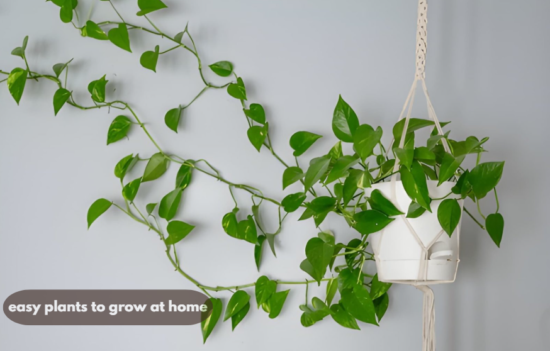
Pothos thrives in almost any light—bright, low, or even artificial. Water it once a week, let the soil dry between waterings, and it’ll reward you with long, lush vines that drape beautifully across shelves.
Care tip: Yellow leaves mean overwatering. When in doubt, wait one more day.
⚠️ Toxic warning: Pet owners and parents—this one’s best placed somewhere out of reach. Not dangerous to touch, just don’t let anyone eat it.
2. Snake Plant (Dracaena trifasciata, formerly Sansevieria trifasciata)
Practically unkillable. The snake plant tolerates low light, irregular watering, and neglect with grace. In the summer, water every two to four weeks; in the winter, water once a month.
Bonus: One of the rare plants that doesn’t clock off at sunset—it keeps producing oxygen while you sleep.
⚠️ Toxic warning: Toxic to cats and dogs—causes nausea, vomiting, and drooling if ingested.
3. Spider Plant (Chlorophytum comosum)
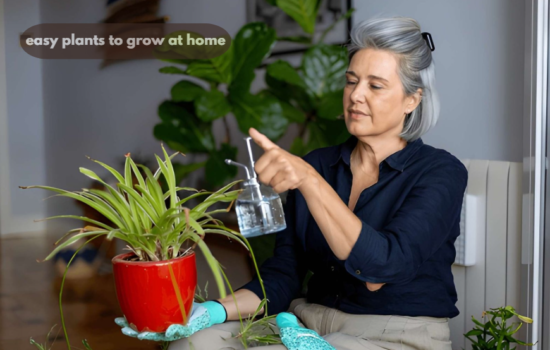
Spider plants are cheerful, fast-growing, and forgiving. They produce little “spiderettes” on long stems that you can propagate in water for free new plants. Indirect light and slightly dry soil between waterings is all they need.
✅ Pet safe: Non-toxic to cats and dogs.
4. Aloe Vera
Aloe is both a houseplant and a first-aid kit. The gel soothes burns and skin irritation. Give it bright light, water it deeply every 3 weeks, and ensure the pot drains well—it hates wet soil.
Care tip: Brown mushy leaves = overwatered. Thin curling leaves = thirsty.
⚠️ Toxic warning: The inner latex layer is toxic to cats, dogs, and humans if eaten.
5. Peace Lily (Spathiphyllum)
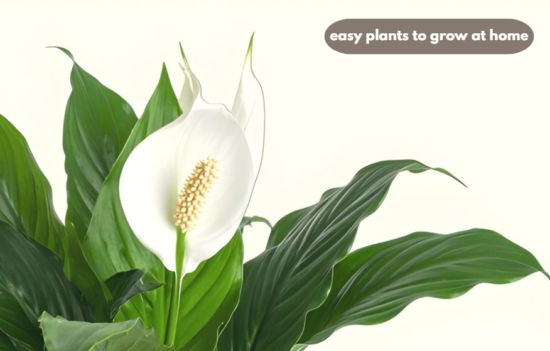
Elegant and low-effort. The peace lily’s dark leaves and white flowers look expensive without demanding much. It even tells you when it’s thirsty—leaves droop, then bounce back within hours of a drink. Keep it out of direct sun and water weekly.
⚠️ Toxic warning: Toxic to cats and dogs and mildly toxic to humans. causes vomiting if consumed and irritates the mouth.
6. ZZ Plant (Zamioculcas zamiifolia)
Built for people who forget to water. The ZZ plant’s thick stems store water, letting it go weeks — sometimes a month — without a drink. It grows slowly but reliably in low to medium light.
⚠️ Toxic warning: All parts are toxic to cats, dogs, and humans. Wash hands after handling.
7. Rubber Plant (Ficus elastica)
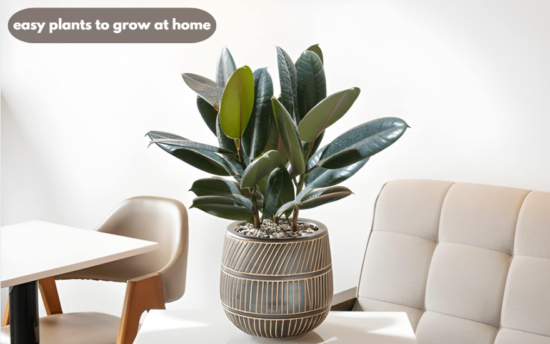
Large, glossy leaves in deep green or burgundy make the rubber plant a real statement piece. It likes moderate watering and bright indirect light; in between sips, let the top inch of soil dry. Over time it grows into a striking indoor tree.
⚠️ Toxic warning: Milky sap is toxic to cats, dogs, and humans. Causes skin irritation and digestive issues.
8. Chinese Evergreen (Aglaonema)
One of the most adaptable houseplants around. Chinese evergreens come in stunning green, silver, red, and pink patterns, tolerate low light, and cope well with irregular watering. Perfect if you want color without fuss.
⚠️ Toxic warning: Mildly toxic to cats, dogs, and humans. Place on higher shelves.
9. Heartleaf Philodendron (Philodendron hederaceum)
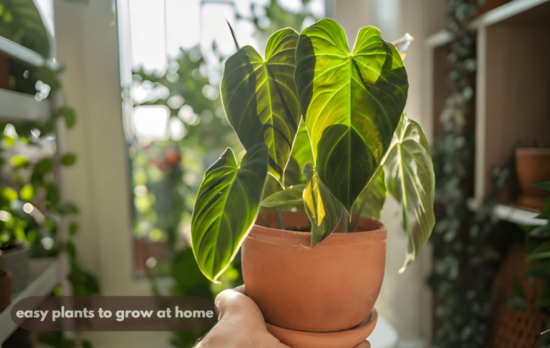
This is a favorite because of its quick growth and soft, heart-shaped leaves. It thrives in medium indirect light and only needs water when the top inch of soil is dry. Allow it to trail from a hanging pot or train it up a moss pole.
⚠️ Toxic warning: Toxic to cats, dogs, and humans. Contains calcium oxalate crystals—keep it hanging high.
10. Succulents (Various species)
Geometric shapes, varied colors, and tiny sizes make succulents perfect for desks and windowsills. The golden rule: bright light and infrequent watering every 2–3 weeks. They store water in their leaves — overwatering is their only real enemy.
Great starter varieties: echeveria, haworthia, and sedum.
✅ Pet safe: Echeveria, haworthia, and sedum are non-toxic. Avoid kalanchoe and euphorbia if you have pets.
11. Lucky Bamboo (Dracaena sanderiana)
Not actually bamboo—it’s a dracaena. Lucky bamboo grows in soil or just a pebble-filled vase of water and tolerates low light well. Change the water every 1–2 weeks and keep it out of direct sun.
⚠️ Toxic warning: Mildly toxic to cats and dogs — causes dilated pupils and weakness if ingested.
12. Cast Iron Plant (Aspidistra elatior)
True to its name, this plant handles everything—low light, drought, and temperature swings. Its deep green strap-like leaves look handsome in corners where other plants give up. Water every 10–14 days and leave it alone.
✅ Pet safe: Totally safe for humans, dogs, and cats
13. Jade Plant (Crassula ovata)
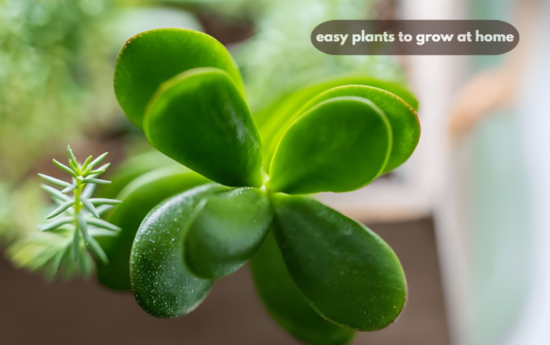
Jade plants live for decades. Their thick oval leaves and woody stems give them an almost bonsai-like look as they mature. Bright light (a south-facing window is ideal) and watering every 2–3 weeks are all they need.
⚠️ Toxic warning: Toxic to cats and dogs. causes loss of coordination, tiredness, and vomiting.
14. English Ivy (Hedera helix)
English ivy grows quickly, trails beautifully, and purifies the air. It prefers cooler temperatures and indirect light—ideal for hallways and bathrooms. When the top inch of soil is dry, water it, and sporadically mist it.
⚠️ Toxic warning: Toxic to cats, dogs, and humans. Causes vomiting and skin irritation. Best in hanging planters out of reach.
15. Dracaena (Dracaena marginata)
Slender leaves edged in red or purple shoot from woody stems, giving dracaena a striking palm-like lookIt can withstand dry air, low light levels, and infrequent watering. In summer, water every one to two weeks; in winter, water less frequently. Avoid fluoride-heavy tap water—brown leaf tips are the first sign.
⚠️ Toxic warning: Toxic to cats and dogs. If consumed, it causes drooling and vomiting.
Quick-Reference Care Chart
| Plant | Light | Water Frequency | Best For |
| Pothos | Low to bright indirect | Weekly | Beginners, shelves |
| Snake Plant | Low to indirect | Every 2–4 weeks | Bedrooms, offices |
| Spider Plant | Indirect | Weekly | Hanging baskets |
| Aloe Vera | Bright direct | Every 3 weeks | Sunny windowsills |
| Peace Lily | Low to indirect | Weekly | Low-light rooms |
| ZZ Plant | Low to medium | Every 3–4 weeks | Forgetful waterers |
| Rubber Plant | Bright indirect | When top inch dries | Statement corners |
| Chinese Evergreen | Low to medium | Every 1–2 weeks | Colorful accents |
| Heartleaf Philodendron | Medium indirect | When top inch dries | Trailing/climbing |
| Succulents | Bright direct | Every 2–3 weeks | Desks, sills |
| Lucky Bamboo | Low to indirect | Change water weekly | Water vases |
| Cast Iron Plant | Low | Every 10–14 days | Shady corners |
| Jade Plant | Bright direct | Every 2–3 weeks | Long-term growers |
| English Ivy | Indirect | When top inch dries | Cooler rooms |
| Dracaena | Low to indirect | Every 1–2 weeks | Empty corners, beginners |
The One Rule All These Plants Share
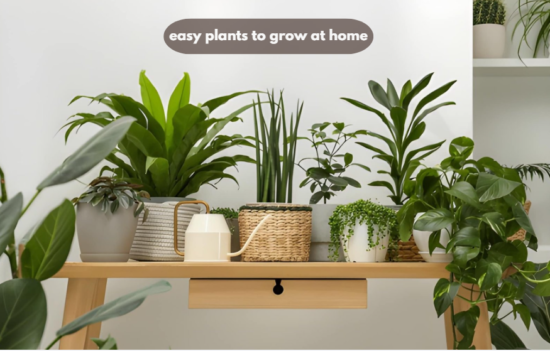
Every plant on this list has one thing in common: they’re more likely to die from overwatering than underwatering. When unsure, always wait one more day. Stick your finger an inch into the soil—if it’s still damp, come back tomorrow.
That one habit will save more plants than any fertilizer or fancy pot. And once it clicks indoors, you’ll naturally start asking, “Can I design my own garden kdagardenation?”—because the confidence you build here translates directly outdoors. It sounds simple because it is—and that’s the whole beauty of choosing easy plants to grow at home in the first place.”
Final Thoughts
Starting with the right plants makes all the difference. A pothos on your desk, a snake plant in the corner, and a succulent on the windowsill—each one is a small act of care that makes a home feel more alive.
You don’t have to get it perfect. Plants are patient. Start with one, learn what it likes, and go from there. Before long, you’ll have a home full of green—and the confidence to keep it thriving. The best gardens in the world started exactly like this—with easy plants to grow at home and a curious mind.
Which plant will you start with?