
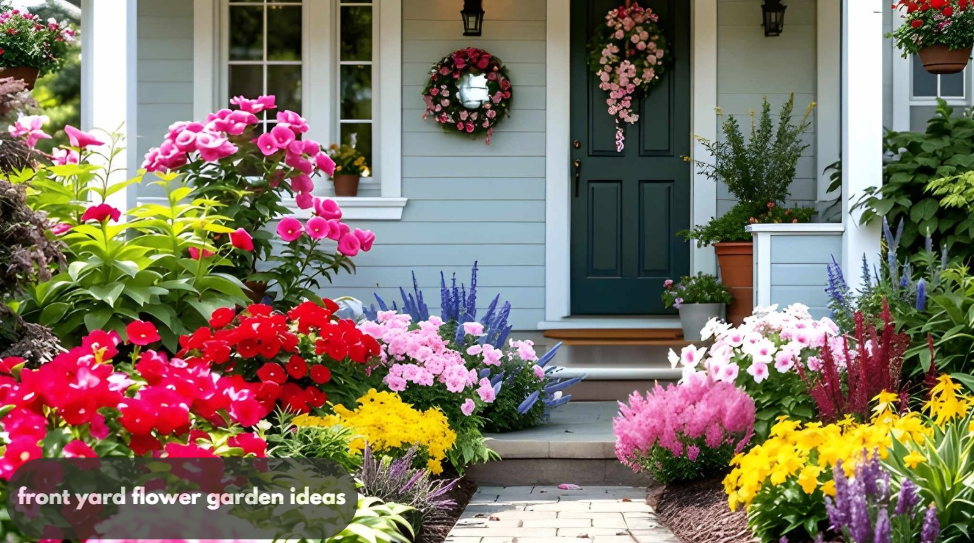
Two summers ago, when my neighbor Michele turned her bare front yard into a multi-layered cottage-style garden, people really slowed down their cars to have a look. She spent less than $400 doing it. That stuck with me, and it fundamentally altered my understanding of why, as of 2026, front yard flower garden ideas are among the most sought-after home renovation themes.
The short answer to the question of whether the effort is worthwhile is that it is. According to the National Association of Realtors, well-maintained landscaping can boost a home’s perceived value by up to 7% to 10%, making it one of the highest-yielding curb appeal investments you can make. That’s real money, and it starts at the curb.
Let’s walk through 15 designs that actually work, and I’ll share what I’ve learned from doing this myself and watching others do it well.
1. The Classic Cottage Border
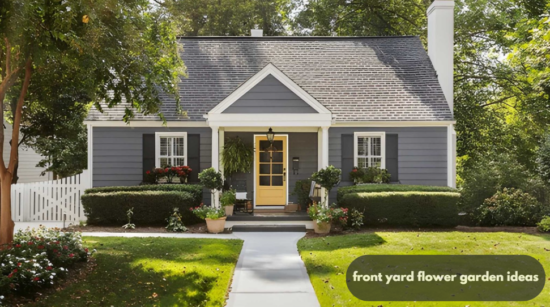
Plant tall hollyhocks and delphiniums (which easily reach 5 to 6 feet tall) at the back, then layer down with mid-height coneflowers, black-eyed Susans, and creeping phlox at the front edge. This classic setup gives you a timeless look. Just note: cottage gardens can be beautifully chaotic, so expect to spend a weekend each spring weeding and thinning out overachieving plants.
2. Pollinator Paradise Strip
A narrow 3-foot border of lavender, salvia, and native bee balm along a walkway does double duty—it looks intentional, and it supports local pollinators. Space the lavender pots roughly 18 inches apart to give them room to breathe. I added this to my own front path last spring, and the bees moved in within two weeks.
3. Symmetrical Formal Beds
Two identical rectangular beds flanking a front door—filled with disease-resistant knockout roses and trimmed boxwood—give any home a pulled-together, almost estate-like look. These work especially well on colonial or traditional-style houses.
4. Wildflower Meadow Patch
A controlled wildflower mix (think cosmos, California poppy, and bachelor’s button) seeded into a defined bed looks intentional, not neglected. Use a clean metal or stone edging to separate it from the lawn, and it reads as a design choice rather than an accident.
5. Raised Bed Curb Garden
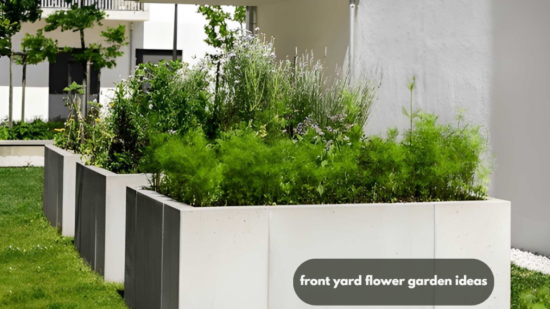
A single low-raised cedar bed at the property’s front edge, planted with seasonal blooms, is one of the easiest ways to add structure. Change out the annuals each season—petunias in summer, ornamental kale in fall—and the curb appeal stays fresh year-round.
6. Rain Garden With Blooms
If your yard has a slope or drainage issue, a planted rain garden with native irises, swamp milkweed, and cardinal flower solves the problem beautifully. It’s functional landscaping that also looks gorgeous.
7. Monochromatic Color Story
Pick one color and go all in. An all-white garden with white hydrangeas, white alyssum, and white coneflowers is clean, modern, and surprisingly bold. All-yellow or all-purple schemes work equally well.
8. Layered Foundation Planting
Replace tired shrubs with a layered planting: ornamental grasses at mid-height, daylilies in front, and low-growing creeping thyme at the edges. This method is forgiving for novice gardeners and works on nearly any type of home.
9. The Sidewalk Softener
Planting a casual row of tall ornamental grasses and purple coneflowers along the public sidewalk edge softens hard urban lines and makes the whole block feel friendlier. Several cities now actively encourage this—Chicago and Portland have front-yard garden permit incentives specifically for low-water designs.
10. Vertical Trellis Garden
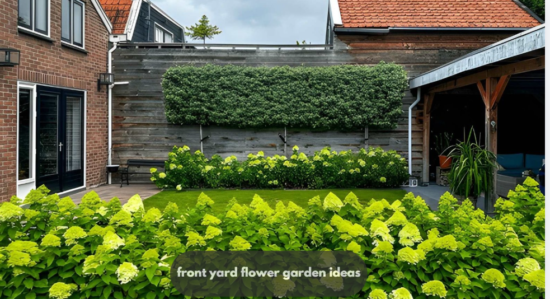
A simple wooden trellis mounted near the front door with climbing roses or clematis adds height and drama without taking up much ground space. It’s one of the smartest front yard flower garden ideas for small or narrow lots.
11. Seasonal Succession Planting
The trick to a yard that looks good from March through November is succession planting: tulips in spring, coneflowers in summer, and chrysanthemums in fall. Each plant hands off the bloom to the next. It takes planning up front but almost no extra work once established.
12. Rock Garden With Alpine Flowers
Low-maintenance sedums, creeping phlox, and alpine asters tucked between decorative boulders create a garden that needs almost zero watering after establishment. This is a practical choice for hotter, drier US climates like the Southwest.
13. Edible Flower Bed
Nasturtiums, borage, and calendula are all edible and genuinely beautiful. Combining them with ornamental herbs like purple basil in a front bed creates a practical and conversation-starting garden.
14. Moon Garden (Evening Glow Design)
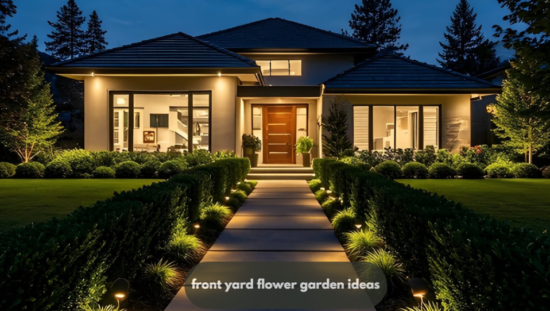
White and pale yellow blooms—white daylilies, evening primrose, and moonflower vine—catch the light at dusk and glow. If you’re home in the evenings and want to actually enjoy your garden, this design is worth considering.
15. Native Plant Showcase
Using plants native to your specific region—whether that’s Texas bluebonnets, Pennsylvania phlox, or California poppies—creates a garden that genuinely thrives with minimal intervention. Local nurseries and the Audubon Society’s Native Plants database are both solid starting points for finding what’s right for your area.
How to Design a Garden Layout (Without Overthinking It)
One of the most common questions people ask is how to design a garden layout kdagardenation , and honestly, the answer is simpler than most garden design books suggest. Start with your tallest plants in the back (or center, if the bed is visible from all sides), mid-height plants in the middle, and low growers at the front edge. Sketch it on paper first, place your plants in their pots on the ground before digging, and step back from the street to check the view. That’s it. You don’t need a landscape architect for a front yard bed. Use this simple three-tier rule of thumb when placing your pots:
- Back Tier (Against the Wall/Fence): Tallest structural plants & shrubs (3 to 6 feet)
- Middle Tier: Complementary flowering perennials (1 to 3 feet)
- Front Tier (Against the Street/Walkway): Low-growing groundcovers & annual border plants (under 1 foot)
Can You Design Your Own Garden?
Absolutely. can i design my own garden kdagardenation? That’s a question that comes up constantly in gardening forums, and the answer is yes, especially for front yard beds. The biggest mistake people make is buying plants they love without checking mature height and spread. A plant that looks small in a 4-inch pot might reach 4 feet wide in two years. Check the tag, look it up online, and give things room. The University Extension programs in your state (like Clemson Extension or the University of Minnesota Extension) offer free planting guides specific to your hardiness zone.
Essential Steps to Design Your Own Garden Layout.
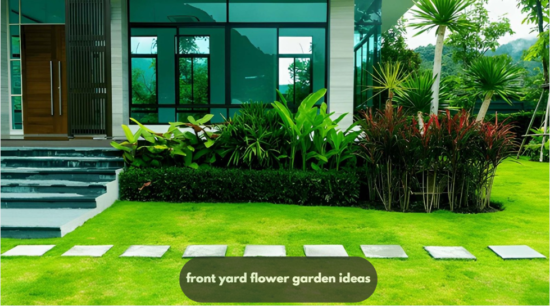
This is more important than most novices realize. Which direction your garden should face is a question tied directly to how much sun your plants will get.
South-Facing: Gets intense, all-day sun. Ideal for roses, lavender, and most flowering perennials.
West-Facing: Receives blazing, hot afternoon heat. Best for drought-tolerant plants like sedums and ornamental grasses.
East-Facing: Gets gentle morning sun and afternoon shade. Perfect for hydrangeas and fuchsias.
North-Facing: Stays mostly shaded. Best suited for hostas, astilbes, and impatiens.
A Few Honest Notes Before You Start
Not every design works in every yard. A lush cottage garden might need weekly watering in a dry Texas summer. In an area with stringent HOA regulations, a native meadow that appears deliberate in Portland could appear messy; always double-check. And if you’re renting, confirm with your landlord before digging.
Start smaller than you think you need to. A single 4×8-foot bed done well beats a chaotic sprawl every time. Once you figure out what works, you can always grow.
Conclusion
Good front yard flower garden ideas don’t need a large budget or expert assistance; they only need a little preparation, the correct plants for your area, sun exposure, and some patience in that first season. The designs above have all been done successfully by real homeowners across the US, often for a few hundred dollars and a weekend of work.
If you’re ready to start, here’s what to do next: walk your front yard today and take note of where the sun hits, where it doesn’t, and what’s already growing nearby. Then pick one design from this list that fits your light conditions and your neighborhood’s style. Head to a local independent nursery rather than a big-box store chain. Show the staff a photo of your front yard and tell them your sun direction—they will be able to point you to the exact regional varieties that thrive on your specific block.
One bed, done well, is the whole starting point. Go plant something.

2 thoughts on “Front Yard Flower Garden Ideas: 15 Stunning Designs to Boost Curb Appeal in 2026 ”