
Let me be honest with you—I killed my first three houseplants within a month. A pothos, a succulent, and a peace lily. All gone. Not because I didn’t care, but because I cared too much and knew too little. Sound familiar?
If you’ve landed here, you’re probably in that exact spot—excited about greenery indoors but a little unsure where to start. Good news: this KDAGardenation Guide is built exactly for you.
Why Houseplants Are Worth the Learning Curve
According to a 2023 survey by the National Gardening Association, over 55% of American households now include at least one houseplant—up significantly from a decade ago. People aren’t just buying plants for decoration, which is why this KDAGardenation Guide focuses on the deeper benefits of indoor greenery. Research from NASA’s Clean Air Study (still widely referenced by horticulturalists today) suggests that certain plants like snake plants and spider plants can help filter indoor air pollutants.
But beyond science, there’s something deeply grounding about keeping something alive and watching it grow. A friend of mine in Portland keeps a small monstera on her kitchen counter. She says it’s the first thing she checks every morning—before her phone, before coffee. “It just makes the space feel real,” she told me.
That’s the real value of houseplants.
Start With the Right Plant—Not the Prettiest One
The biggest beginner mistake? Buying a plant because it looks gorgeous at the store, then bringing it home to a completely wrong environment.
Here’s a simple rule: match the plant to your light.
- Low light rooms (north-facing windows, hallways): Pothos, ZZ plant, snake plant, cast iron plant
- Indirect bright light (most living rooms): Philodendron, peace lily (keep back from the glass), monstera
- Direct sunlight (south or west-facing windows): Succulents, cacti, aloe vera
When I moved into my current apartment in Chicago, I had a south-facing window and assumed every plant would thrive. Nope. My fern hated it. Ferns want humidity and filtered light — not the kind of intense afternoon sun that bakes a windowsill.
Before you buy, ask the nursery staff: “What are the actual light requirements?” Not the tag on the pot—those are notoriously vague.
Watering: Less Is Almost Always More
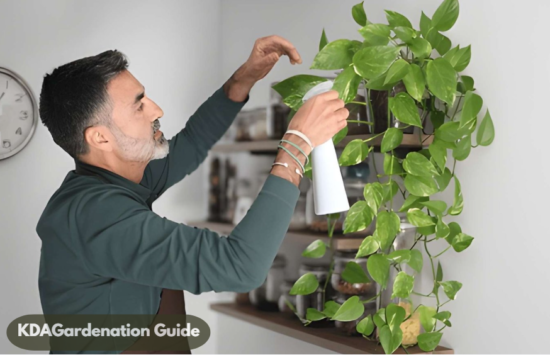
Overwatering kills more houseplants than anything else. It’s not dramatic—the plant just slowly suffocates at the roots.
The finger test is your best friend: push your finger one inch into the soil. Wait if it seems wet. Water it thoroughly until it drains from the bottom if it feels dry. Then leave it alone.
Most popular houseplants—pothos, snake plants, and ZZ plants—want to dry out partially between waterings. Cacti and succulents wish to dry out entirely.
I keep a sticky note on my shelf with each plant’s name and its watering schedule. Old school? Maybe. But it works.
A useful resource here is the Missouri Botanical Garden’s plant finder, which gives accurate care profiles for hundreds of common houseplants. I’ve used it countless times, and it’s never steered me wrong.
Soil, Pots, and Drainage: The Boring Stuff That Matters
Nobody talks about drainage until their plant is dying. Drainage is everything.
Never plant a houseplant in a pot without a drainage hole. If you absolutely must use a hole-free pot, people will tell you to add a thick layer of rocks or perlite at the bottom—but be warned: this is a beginner trap. Modern plant science shows this actually creates a “perched water table,” causing water to pool right where the roots sit. Without a true escape route for water, roots rot fast.
Use the right soil mix, too. Standard potting soil works for most tropical houseplants. For succulents and cacti, mix in perlite or buy a cactus-specific blend. Use orchid bark rather than soil for orchids.
Light, Humidity, and Seasonal Shifts
Here’s something most beginner guides skip: your home environment changes with the seasons, and your plants feel it.
In winter, central heating drops indoor humidity significantly. Tropical plants like ferns, calatheas, and peace lilies suffer. Solutions include:
- A small humidifier near your plant cluster
- A pebble tray filled with water under the pot
- Grouping plants together (they create their own microclimate)
In summer, plants near air conditioning vents can get cold drafts. Move them a few feet away if you notice leaf curl or browning edges.
Feeding Your Plants (Without Overdoing It)
Plants need nutrients, but they don’t need to be fed constantly. During the growing season — roughly March through September in most of the U.S. — a balanced liquid fertilizer (something like a 10-10-10 NPK formula) once a month is usually enough.
In fall and winter, most houseplants go into a natural rest period. Stop fertilizing. They’re not hungry right now.
One mistake I made early on: I fed my pothos every week because I thought more was better. It developed fertilizer burn—brown, crispy leaf tips. Less is more.
Common Problems and What They Actually Mean
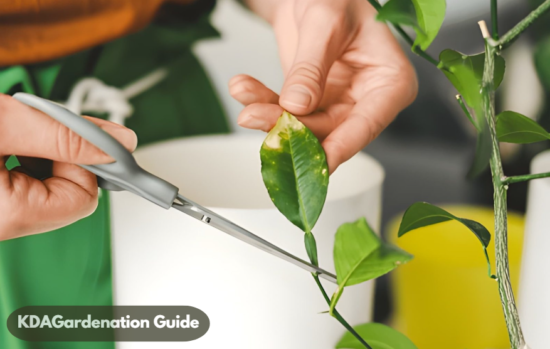
| Symptom | Likely Cause |
| Yellow leaves | Overwatering or low light |
| Brown leaf tips | Low humidity or fertilizer burn |
| Drooping leaves | Underwatering or root rot |
| Leggy, stretching growth | Not enough light |
| White crusty residue on soil | Mineral buildup from tap water |
For the tap water issue—if you’re in a city with hard water, letting it sit overnight won’t remove heavy minerals or modern chloramines. Instead, switch to filtered water, distilled water, or collect rainwater. My calathea transformed after I made that one change.
Thinking Beyond One Plant: Layout and Design
Once you’ve got the basics down, you’ll naturally start thinking about how your plants work together visually. This is where it gets genuinely fun. If you’re wondering how to design a garden layout kdagardenation-style for your indoor space, think in layers: tall floor plants (fiddle leaf fig, bird of paradise), mid-height shelf plants (pothos, philodendron), and small tabletop specimens (succulents, air plants).
And if you’re curious about the structural side—things like shelving units, trellises, and how your space’s framework affects where plants thrive—understanding what is basic architectural style kdarchistyle can actually help. A minimalist, open-plan apartment calls for bold, structural plants. A cottage-style space pairs better with lush, trailing varieties.
Eventually, many plant enthusiasts ask: can I design my own garden kdagardenation? Absolutely yes—and indoors is the perfect place to start. You’re working with a controlled environment, a manageable scale, and instant feedback. Every decision you make—placement, pot selection, plant pairing—teaches you something.
A Note on Realistic Expectations
Plants don’t always survive, even when you do everything right. Pests show up (check for fungus gnats and spider mites regularly). A plant you’ve had for two years suddenly struggles after a repot. These things happen.
The gardeners I’ve spoken with who have decades of experience all say the same thing: lose a plant, figure out why, adjust. Don’t quit.
Conclusion: You’ve Got This
Caring for houseplants isn’t complicated, but it does require paying attention. Match the plant to your light. Water less than you think. Use proper drainage. Watch for seasonal changes. Adjust as you go.
The core KDAGardenation Guide philosophy is grounded in that exact idea: real learning comes from doing, not just reading. Your apartment, your light conditions, and your schedule are unique. The best plant parent is an observant one.
What to do next: Pick one plant. Just one. Visit a local nursery (not just a big box store—the staff at independent nurseries are genuinely knowledgeable), ask about care requirements for your specific space, and bring it home. Keep notes for the first month. That single experience will teach you more than any article can.
Then come back when you’re ready to add the second one.

One thought on “How to Care for Houseplants: A Complete KDAGardenation Guide for Beginners ”