
Introduction
Post-and-beam construction has remained important because it combines structural clarity with architectural presence. Instead of hiding the main support system inside walls, this building method often allows posts, beams, braces, and connections to become part of the visual identity of the structure. The result can feel strong, open, and carefully assembled. Whether used in homes, porches, pavilions, garden structures, barns, or timber-framed interiors, post-and-beam construction depends on the relationship between several key components working together.
The name may suggest that posts and beams do all the work alone, but a stable timber frame usually needs more than vertical and horizontal members. Reinforcement elements, connection details, bracing patterns, fasteners, bearing points, and material quality all affect performance. When these elements are properly planned, the structure resists movement, carries loads more efficiently, and maintains its shape over time. Good post-and-beam construction is less like stacking large pieces of wood and more like arranging a disciplined wooden skeleton.
The Core Role of Posts and Beams
Posts provide vertical support. They transfer loads downward into foundations, piers, footings, or other supporting surfaces. Beams carry loads across horizontal spans and distribute weight between posts. Together, they create the main framework of the structure. In a porch, beams may support the roof while posts hold the system upright. In a larger timber frame, beams may support floors, roof systems, open ceilings, or wide interior spaces.
The strength of this system depends on correct sizing, species selection, span planning, joinery, and connection design. A beam must be appropriate for the distance it spans and the load it carries. A post must be placed where it can transfer weight safely. If either component is undersized or poorly connected, the structure can develop movement, sagging, or stress at critical points. This is why reinforcement elements become so valuable in the overall assembly.
Which Reinforcement Elements Help Stabilize Timber Frames?
Post-and-beam construction depends on more than large structural members alone. While posts and beams carry significant loads, additional reinforcement components help control movement, improve rigidity, and maintain structural integrity over time. Designers and builders often incorporate specialized support elements to strengthen connections and distribute forces throughout the framing system. These components become particularly important in structures exposed to changing loads, environmental conditions, and long-term use.
Among the most widely used reinforcement components are timber support braces. These structural elements connect major framing members and help improve stability by resisting movement within the timber frame. Commonly positioned between posts and beams, braces contribute to load distribution while strengthening the overall framework. Their diagonal orientation allows them to support structural performance by reducing unwanted shifting and reinforcing critical connection points throughout the structure.
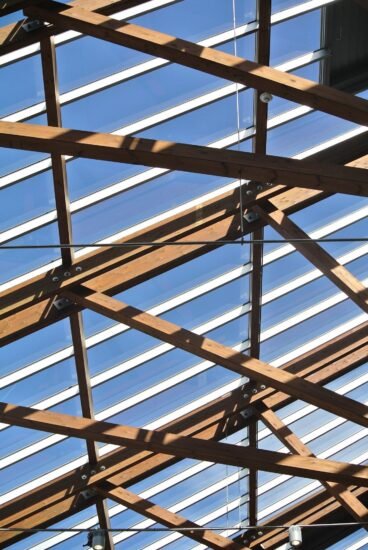
Bracing systems play an important role in both traditional and modern timber construction. In exposed timber frames, braces often become a visible part of the architectural design while continuing to serve a structural purpose. Their presence can enhance the visual character of a building while supporting the performance objectives of the framing system.
The effectiveness of a timber structure depends on how individual components work together. Posts provide vertical support, beams transfer loads across spans, and reinforcement elements help stabilize the entire assembly. Understanding the function of these components allows builders, designers, and property owners to better appreciate how timber framing achieves strength, durability, and long-term structural reliability.
Why Diagonal Bracing Matters
Diagonal bracing is one of the most important stabilizing features in post-and-beam construction. While posts and beams create the basic frame, diagonal braces help resist racking, which is the sideways movement that can occur when forces push against the structure. Wind, shifting loads, roof movement, and long-term use can all place pressure on a frame. Braces help the structure resist that motion by creating triangular support patterns.
Triangles are naturally strong shapes in structural design because they distribute force more effectively than open rectangles. A simple post-and-beam bay without bracing may behave like a loose picture frame under lateral pressure. Add diagonal braces, and the frame gains stiffness. In timber construction, those braces can also become attractive details, especially when their profiles, proportions, and finishes are chosen carefully.
Braces Can Be Structural or Decorative
Some braces are designed to carry real structural responsibility, while others are mainly decorative. In many exposed timber projects, the best details can do both. A brace may support the frame while also creating depth beneath a beam or roofline. However, homeowners and builders should not assume every visible brace is load-bearing. Structural bracing should be selected and installed according to the needs of the frame, not only according to appearance.
Connections Strengthen the Entire Frame
Post-and-beam construction relies heavily on connections. A strong post or beam can still fail to perform well if the connection is weak, misaligned, or poorly fastened. Traditional timber framing often uses joinery methods such as mortise-and-tenon connections, pegs, and carefully cut bearing surfaces. Modern projects may use steel plates, concealed connectors, bolts, screws, brackets, or hybrid systems depending on engineering needs and design goals.
Connection design should consider load transfer, movement, moisture exposure, and installation accuracy. Outdoor structures need particular care because exposed connections can face rain, temperature changes, and seasonal wood movement. A beautiful timber frame with weak connections is a handsome ship with loose knots in the rigging. Strength comes from the whole system, not one impressive beam.
Material Quality and Wood Movement
The performance of post-and-beam construction also depends on timber quality. Species, grain, moisture content, defects, dimensions, and finish all influence how wood behaves. Timber can expand, contract, check, and move as environmental conditions change. These natural behaviors do not make wood unsuitable; they simply require thoughtful planning.
Designers should account for moisture exposure, ventilation, drainage, and protective finishes, especially in outdoor or semi-outdoor structures. A covered porch, pergola, or garden pavilion may still expose timber components to humidity and splashback. Ideas connected to modern small garden ideas on a budget show how compact outdoor spaces can rely on structural and decorative features to create useful, attractive environments. In those settings, timber posts, beams, and braces must be chosen with both appearance and weather performance in mind.
Visual Balance in Exposed Timber Frames
Because post-and-beam construction often leaves structural elements visible, the frame must also feel visually balanced. Large posts, heavy beams, and diagonal braces can create a strong architectural rhythm. If the members are too thin, the structure may look weak. If they are too large, the design may feel heavy or crowded. Proportion is therefore a design issue and a structural issue at the same time.
Wood tone also affects the finished look. Beams, braces, floors, trim, furniture, and cabinetry may all introduce different wood colors into the same space. A practical discussion of the rule of threes for wood tones helps explain how multiple wood finishes can work together without clashing. In exposed post-and-beam interiors, this matters because the frame is usually too visible to ignore. The timber should relate to the room rather than hover above it like a separate design decision.
Brand Section: Why Quality Timber Bracing Improves Frame Performance
Quality timber bracing helps builders and homeowners strengthen post-and-beam projects while preserving the visual character of exposed wood construction. Braces should be chosen with attention to size, profile, grain, finish, and intended purpose. When they are structural, they must be integrated into the frame properly. When they are decorative, they should still respect the logic of the building’s design.
A strong timber resource can help project teams understand how braces, beams, posts, and related components work together. This knowledge supports better planning, cleaner installation, and more confident design choices. In post-and-beam construction, reinforcement elements are not minor accessories. They are part of the system that helps the frame feel stable, durable, and architecturally complete.
Designing for Long-Term Durability
Long-term durability depends on more than selecting strong components. The frame must be protected from conditions that weaken timber over time. Proper roof overhangs, drainage, flashing, ventilation, sealed end grain, and maintenance schedules all contribute to performance. Outdoor frames should avoid trapping water at connection points, while interior frames should account for humidity changes and mechanical systems.
Inspection is also important. Over time, fasteners may loosen, finishes may wear, and small cracks may appear. Regular review helps owners identify issues before they become serious. Timber structures can last for generations when they are designed and cared for properly. Their strength comes from material, craftsmanship, and maintenance working together.
Conclusion
Post-and-beam construction is strengthened by the coordinated work of posts, beams, braces, connections, material quality, and careful detailing. Posts provide vertical support, beams carry loads across spans, and braces help resist movement while improving rigidity. When these components are selected and installed thoughtfully, the structure gains both strength and architectural character.
The most successful timber frames do not rely on size alone. They rely on balance, connection, reinforcement, and respect for how wood behaves over time. With proper bracing and well-planned structural details, post-and-beam construction can deliver the kind of stability and visual warmth that makes timber framing remain deeply valued in modern building design.
