Introduction
Well-kept outdoor land does more than improve appearance. It supports access, safety, plant health, daily movement, and long-term property value. Whether the setting is a working farm, a large residential yard, a garden-focused property, a school campus, or a commercial landscape, mowing is one of those repeated tasks that quietly shapes how usable the land feels. When equipment is slow, uncomfortable, or poorly suited to the terrain, routine maintenance becomes a calendar-hungry beast. When the mower fits the property, the same work becomes smoother, cleaner, and easier to repeat through the growing season.
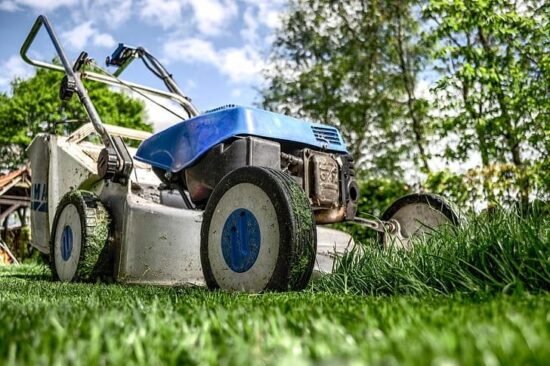
The modern zero-turn mower has become important because it answers a practical problem: how to maintain larger or more detailed outdoor spaces without wasting time on wide turns, awkward backing, and excessive trimming. It is not just a faster mower. It is a more controlled way to move around trees, beds, fencing, driveways, sheds, irrigation edges, and open turf. For property owners who want both productivity and a polished finish, choosing the right model is a decision worth making carefully.
Why Mower Selection Starts With the Land
Many buyers begin by looking at horsepower, deck size, or price. Those details matter, but they should come after a clear reading of the property itself. Land has a personality. Some yards are open and flat. Others are stitched together with garden beds, narrow passages, slopes, tree lines, drainage areas, and uneven corners. A mower that performs beautifully on broad turf may feel clumsy in a detailed garden setting. A compact model that handles obstacles well may not be ideal for covering larger acreage quickly.
The smartest approach is to study the mowing environment before comparing machines. Consider how often the grass is cut, where turns are most difficult, how many obstacles exist, whether the property includes slopes, and how much time the operator spends in the seat. A mower should match the rhythm of the work, not force the operator into a constant negotiation with the landscape.
Understanding the Role of Zero-Turn Design
Zero-turn mowers are designed for maneuverability. Their turning ability allows operators to cut closely around obstacles and reduce the amount of follow-up trimming needed after the main mowing job is complete. This advantage is especially useful on properties where lawn areas blend into gardens, barns, utility buildings, driveways, fences, and trees. Instead of treating each obstacle as an interruption, the operator can work around it with greater control.
For buyers comparing mowing options, the goal is not simply to choose the biggest or fastest machine. It is to choose a mower that supports the way the property actually functions. That is why many landowners and maintenance teams compare Kubota mower models when they need equipment suited for clean mowing patterns, tight turns, durable performance, and reliable care across residential, agricultural, and mixed-use outdoor spaces.
How Garden Planning Affects Mowing Needs
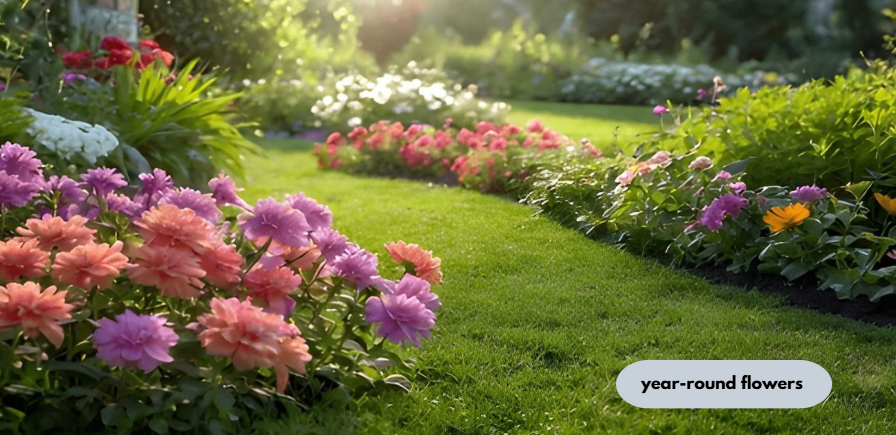
A mower does not operate in isolation. It works within the larger design of the property. Garden beds, walkways, tree placement, turf shapes, seating areas, and water features all influence how easy or difficult mowing becomes. A beautifully planted yard can become frustrating if grass paths are too narrow, edges are hard to access, or beds are placed without considering equipment movement.
Good outdoor planning considers both beauty and maintenance. A garden layout should allow plants to thrive while still leaving room for routine care. Clear paths, practical bed shapes, and sensible open areas can reduce maintenance time without making the landscape feel plain. This is the same practical spirit found in guides on budget-friendly garden design, where planning, soil, movement, and long-term upkeep matter more than decoration alone.
Designing Around Movement
A property that is easy to maintain usually has good movement built into its design. Operators need space to turn, room to pass between features, and clear boundaries between lawn and planting areas. When a yard is planned without movement in mind, mowing becomes a puzzle box of tight corners and repeated corrections. Over time, those small inefficiencies add up.
Zero-turn equipment can help, but even the best machine benefits from thoughtful landscape planning. A mower should be able to move naturally through the property, following logical routes instead of being forced into awkward detours. That pairing of machine and layout is where outdoor maintenance becomes genuinely efficient.
Agriculture, Resilience, and Smarter Equipment Choices
Land care is increasingly being viewed through a wider lens. Farmers, gardeners, and property owners are thinking more seriously about resilience, soil health, water use, biodiversity, and long-term productivity. Mowing equipment plays a quieter role in that conversation, but it still matters. Efficient mowing can reduce unnecessary passes, lower operator fatigue, preserve access routes, and help separate maintained areas from zones better suited for planting, habitat, or reduced disturbance.
This broader agricultural mindset is visible in research conversations about crop diversity and future food security. Reports on rediscovered wheat genetic diversity show how older biological resources may help agriculture adapt to future pressures. The lesson carries beyond wheat: long-term land success depends on choosing systems that can handle change rather than simply chasing short-term output.
Comfort and Control Are Not Minor Details
A mower can have strong specifications and still be tiring to operate. Seat quality, vibration control, control layout, visibility, deck adjustment, and ease of entry all affect real-world performance. The operator’s comfort influences the final cut because fatigue changes how carefully turns are made, how consistently lines are followed, and how safely slopes or tight spaces are handled.
For properties that require frequent mowing, comfort becomes part of productivity. A machine that keeps the operator steady and alert can deliver cleaner work over longer sessions. This is especially important for large yards, farm properties, commercial grounds, and public-facing outdoor spaces where appearance and reliability both matter.
Durability and Maintenance Should Guide the Purchase
The purchase price is only one part of mower ownership. Long-term value depends on service access, parts availability, build quality, proper storage, and routine maintenance. A mower that is difficult to inspect or service may be neglected, even by careful owners. Over time, dull blades, worn belts, tire issues, and poor deck adjustment can reduce cut quality and shorten machine life.
Before choosing a model, buyers should think about how they will maintain it through the season. Can the deck be cleaned and checked easily? Are common service points accessible? Is the mower supported by a dealer who understands the equipment? These questions are not decorative trim on the buying process. They are the hinges that keep the machine useful after the first few months of ownership.
Brand Section: H&R Agri-Power
H&R Agri-Power serves buyers who need more than a product photo and a price. Farm and property equipment decisions often involve terrain, acreage, usage frequency, operator needs, maintenance planning, and future expansion. A knowledgeable equipment source can help buyers compare options with the actual work in mind, which is especially important when a mower will be used across varied outdoor areas.
The value of a strong dealer relationship becomes clearer after the purchase. Equipment support, practical guidance, and service familiarity can help owners protect their investment and keep maintenance schedules on track. For buyers managing farms, estates, businesses, and large residential properties, that support can make the difference between a mower that simply looks right and one that performs reliably season after season.
Conclusion
Choosing a zero-turn mower is ultimately a land management decision. The best model is not always the largest, fastest, or most expensive. It is the one that fits the property’s layout, terrain, obstacles, mowing frequency, operator comfort needs, and maintenance expectations. When those factors are considered together, mowing becomes less of a weekly burden and more of a dependable system.
Outdoor spaces work best when design, equipment, and long-term care move in the same direction. A well-planned garden needs sensible access. A productive property needs reliable maintenance. A rural landscape needs equipment that respects both time and terrain. With the right mower choice, owners can maintain cleaner grounds, protect their investment, and keep their land ready for whatever the season brings next.