Is it true that gardening improves mental health, or is this just a claim made by wellness websites to promote seed packets? Because after three years of turning my concrete backyard into something resembling an actual garden, I can tell you the research backs up what my hands already knew.
I started gardening during a rough patch in 2022. My therapist suggested it almost as an afterthought. I figured I’d kill a few tomato plants and move on.
Instead, I found myself looking forward to mornings outside. I started checking on seedlings before coffee. My anxiety levels dropped in ways I couldn’t explain at first.
So I started digging into the science—pun intended. What I found surprised me.
What Does the Research Say About Gardening and Mental Health?
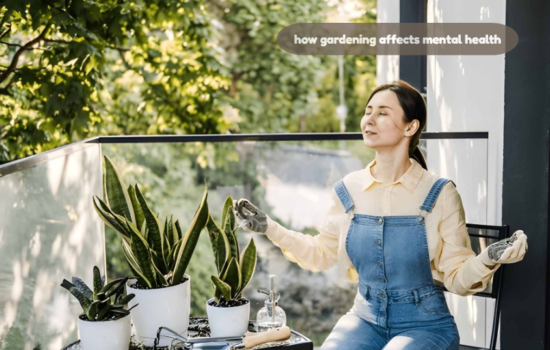
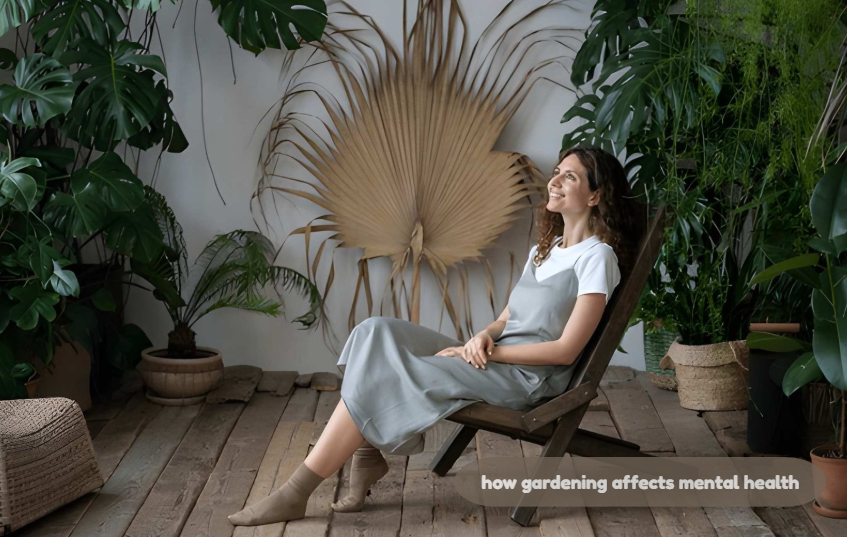
How gardening affects mental health Turns out it’s not one single thing—it’s biology, psychology, and honestly just having a routine again. The Journal of Health Psychology has actual studies on this, and one thing that stood out to me: gardening drops your cortisol faster than stuff people normally consider “relaxing,” like curling up with a book.
One often-cited study from the Netherlands had participants complete a stressful task. After that, they spent half an hour gardening outside or reading indoors. The gardeners recovered faster and reported better moods afterward.
The Soil Microbe Connection
There’s also a microbe connection that sounds almost too good to be true. Mycobacterium vaccae is a kind of bacteria found in soil. Some research suggests exposure to it may trigger serotonin production, similar to how certain antidepressants work.
I’m not saying digging in dirt replaces medication—it doesn’t. Anyone dealing with serious depression should talk to a professional. However, the notion that getting your hands dirty isn’t merely a metaphor has some merit.
From my own experience, the effect wasn’t instant. It took a few weeks of consistent puttering around before I noticed I wasn’t checking my phone first thing in the morning anymore. Instead, I was checking my pepper plants.
Why Does Spending Time in Nature Reduce Anxiety?
Why does being outside feel different from being inside, even if you’re just sitting? Because nature exposure shifts your nervous system out of fight-or-flight mode and into what researchers call “rest and digest” mode.
This is sometimes referred to as the biophilia hypothesis. It’s the idea that humans are wired to feel calmer around living things, plants, water, and natural light.
A 2019 study in Scientific Reports found that people who spent at least two hours a week in nature reported significantly higher levels of health and well-being. This held true regardless of whether that time was split into short visits or one long outing.
The Sensory Side of Gardening
Gardening checks the nature-exposure box easily. Most of us step outside multiple times a day to water, weed, or just check on things.
There’s also a sensory component I didn’t expect. The smell of fresh-cut grass, the texture of soil, the sound of birds while you’re pulling weeds—these small sensory inputs seem to interrupt anxious thought loops.
I’ve had plenty of mornings where I went outside annoyed about something. An hour later, I came back inside having completely forgotten what I was upset about.
How Does Gardening Affect Mental Health Through Physical Activity?
How gardening affects mental health isn’t just psychological. It’s also tied to two very physical things: movement and sunlight.
Gardening is low-impact exercise. Digging, raking, kneeling, and carrying bags of soil all add up to real physical activity. Exercise is one of the most well-documented mood boosters out there.
How Sunlight and Vitamin D Improve Sleep and Mood
Sunlight exposure plays a role too, particularly for vitamin D production, which has been linked to mood regulation. Many people, especially in northern states during winter, deal with seasonal affective disorder partly because of reduced sunlight.
Even 20-30 minutes outside gardening can help regulate your circadian rhythm. Better sleep, then, has a knock-on effect on overall mental health.
Here’s a quick breakdown of how different gardening tasks compare:
| Gardening Task | Physical Benefit | Mental Health Benefit |
| Digging/tilling soil | Builds strength, raises heart rate | Reduces stress through physical exertion |
| Weeding | Light cardio, improves flexibility | Provides a sense of control and accomplishment |
| Watering plants | Gentle movement | Creates a calming daily routine |
| Harvesting produce | Light to moderate activity | Boosts mood through visible reward |
| Planting seeds/seedlings | Fine motor skill engagement | Encourages mindfulness and patience |
Can I Design My Own Garden as a Beginner?
Can I design my own garden if I’ve never gardened before? Yes, and honestly, that’s how most people start—including me. If you’re looking for a step-by-step approach, check out “can i design my own garden kdagardenation” for ideas, beginner layouts, and practical tips before you start planting.
I didn’t hire anyone or follow a fancy plan. I looked at how much sunlight my yard got, picked a small corner, and started with herbs because they’re forgiving.
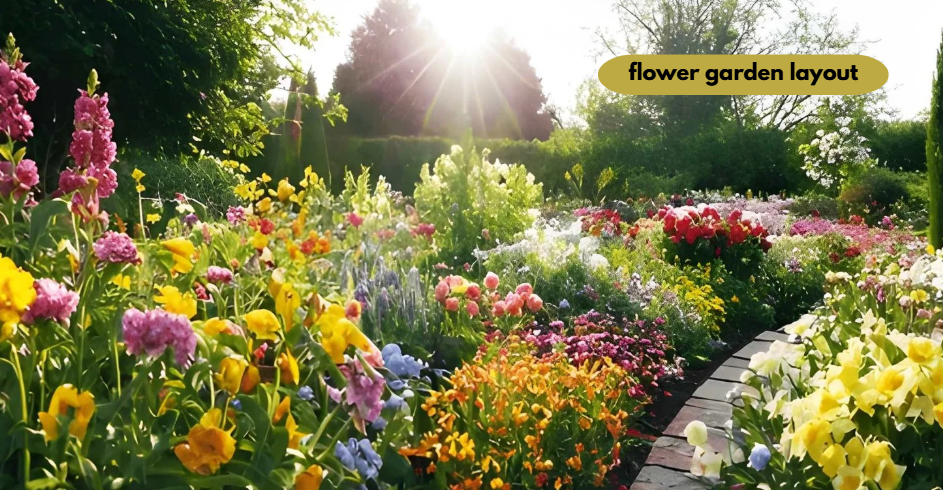
If you’re nervous about how to design a garden layout, similar planning approaches usually start with the basics: sun exposure, soil drainage, and how much space you realistically have. You don’t need acres. A 4×4-foot raised bed is plenty for beginners.
Simple Layout Tips for Beginners
A few things that helped me when I was figuring out layout:
- Group plants by water needs so you’re not overwatering some and underwatering others
- Leave walking space between beds so you can tend to plants without stepping on them
- Start small—one bed or a few containers—before expanding
- Consider morning versus afternoon sun when placing taller plants
The mental health benefit here is sneaky. You have something to look forward to when you plan a layout, no matter how basic. That feeling of “this is mine and I made it” matters more than people expect.
If you’re ready to start but wondering how much does gardening cost, the truth is it’s incredibly budget-friendly. And the best part? It’s an investment that pays off over time.
Long-Term Mental Health Benefits of Regular Gardening
What happens to your mental health if you stick with gardening for years instead of just a season? Because the long-term effects seem to compound.
According to a University of Florida study, those who regularly gardened for several months had lower levels of anxiety and despair. These effects persisted even when measured weeks later.
What Gardening Gave Me Long-Term
Routine has been the largest long-term change for me. Gardening gave my days structure during a period when I genuinely needed it.
There’s also a social piece. Some of it came from places I didn’t expect, like the local gardening group I joined, or just leaning over the fence to talk tomatoes with a neighbor. Those small interactions added up to actual friendships.
And then there’s the patience thing—we live in a world where you can order something and it shows up the same afternoon, so watching a seed slowly turn into a plant over weeks kind of retrains your brain in a good way
How to Design a Garden Layout for Mental Well-Being
How do you design a garden layout that’s not just productive but actually good for your mental state? Because layout matters more than people realize. A garden that’s overwhelming to maintain becomes a source of stress rather than relief.
When thinking through how to design a garden layout kdagardenation -style planning often emphasizes simplicity and flow. The goal is creating a space you actually want to walk through, not just a grid of plants to manage.
Practical Layout Tips
Some practical tips for a calmer garden:
- Add a seating area, even just one chair, so the garden becomes a place to be, not just work
- Mix in flowers that attract pollinators—watching bees and butterflies is oddly therapeutic
- Keep pathways clear so the space feels open rather than cluttered
- Don’t overplant; a few well-tended plants beat a dozen neglected ones
I redesigned my own layout twice in three years. Both times the changes were driven by what felt good to be in, not just what was productive.
A Few Honest Notes Before You Start
Gardening isn’t a cure-all. There were weeks I let weeds take over because I was too depressed to go outside, and that’s okay. It is a tool, not a temporary solution. None of this replaces real support, though—therapy, medication when it’s needed, and people who check in on you. Gardening works better alongside that, not instead of it.
When looking closely at how gardening affects mental health, there’s one more thing worth saying out loud—not everyone’s got a backyard to dig into, and that’s fine. Container gardening on a balcony, a windowsill herb pot, or a community garden plot all count. The benefits aren’t reserved for people with sprawling backyards.
What Should You Do Next
If you’ve read this far, you’re probably already curious. So here’s the honest suggestion: don’t overthink it.
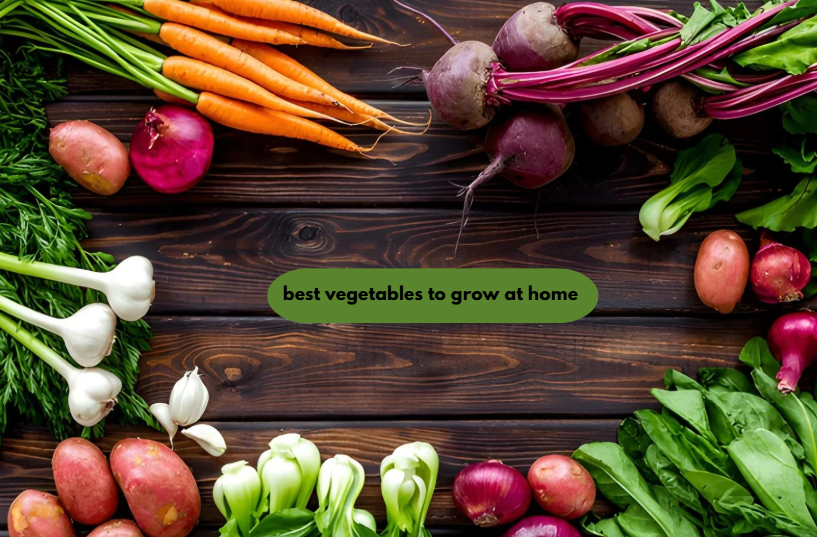
If you’re ready to start, focus on finding easy plants to grow at home. Grab a simple pot, some organic soil, and a beginner-friendly option like basil, mint, or a cherry tomato if you have outdoor space. Then, just commit to spending ten minutes a day with it for two weeks.
Don’t track progress or expect a transformation. Just notice how you feel before and after.
That’s how I started, and three years later, my backyard looks completely different—and honestly, so do I.