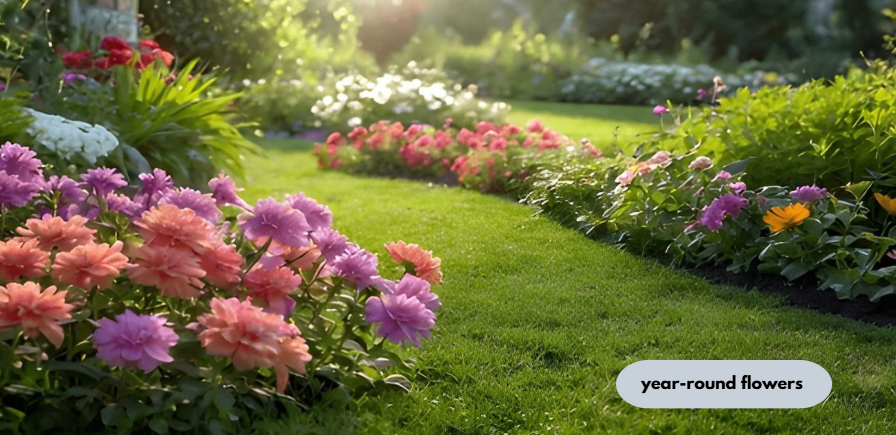
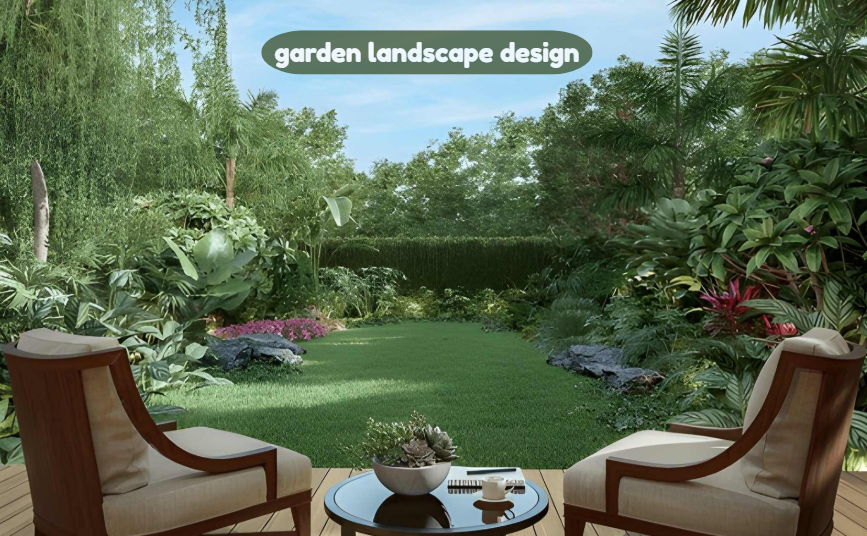
Backyards are changing. Maybe you’ve seen it on a walk through the neighborhood or noticed it while browsing ideas online—the obsession with perfect, chemical-heavy grass is losing its grip. People want yards that actually work for them.
Whether you’re overhauling your entire yard or just looking to improve one corner of it, these are the garden landscape design ideas actually worth your attention in 2026 — and what any of them could look like in your own space:
- Intimate Nooks: Small, tucked-away seating areas instead of oversized empty patios.
- Low-Input Natives: Independent local flora that don’t need care.
- Edible Borders: Berries and fruit woven right into your flower beds.
- Indoor-Outdoor Blur: Yard furniture that actually looks like it belongs inside your home.
- Intentional Rewilding: Supporting wildlife without your yard looking forgotten.
- Precision Gardening: Know your soil and sunlight before spending a dollar on plants.
- Landscape Maximalism: Layered, textured, unapologetically full gardens.
1. Why Are Intimate “Nook” Spaces Replacing Big Patios?
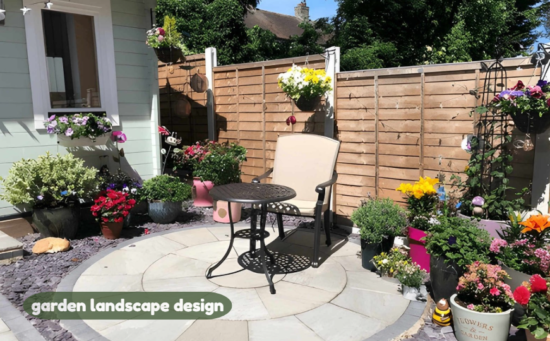
In 2026, big open concrete patios are slowly being abandoned. Smaller, divided places that feel both private and confined enough to be comfortable are what people really want these days, driving a shift toward more intimate garden landscape design.
Backyards are being broken into distinct functional zones—a reading corner, a dining area, and a fire pit spot. Designers at ww. kdarchitects.net emphasize that breaking up large expanses into these smaller, dedicated micro-spaces instantly makes a yard feel more intimate and usable.
Nashville designer Tara Piergies-Baker calls this a “garden sanctuary”: a tucked-away corner with comfortable seating and soft planting. Dan Waters of Creative Environments agrees—fire pits are surging in popularity because they anchor these smaller zones, turning open space into a functional gathering footprint.
2. How Do You Design a Low-Maintenance Native Garden Layout?
A low-maintenance native garden starts with ditching the traditional lawn and bringing in plants that belong in your region. They don’t need much — just clean edges and structured borders to keep things looking deliberate.
This approach is quickly becoming one of the biggest shifts in garden design this year. Native plants are drought-tolerant, support local pollinators, and largely care for themselves once established.
Adam Millhouse of Millhouse Howell Landscape Company notes that stone edging and defined borders keep even a naturalistic garden looking intentional rather than overgrown. “The trick to low-input design is framing the wildness: structured stone hardscaping ensures a native eco-lawn looks like a design choice, not lawn neglect.
| Layout Element | Old-School Lawn Setup | 2026 Low-Input Native Layout |
| Ground Cover | Standard turf grass | Regional natives / bee lawns |
| Watering Needs | Frequent scheduled irrigation | Minimal (local rainfall reliant) |
| Edging Style | Fades into fence lines | Structured stone / crisp hardscape borders |
| Maintenance | Weekly mowing & fertilizing | Seasonal pruning & cleanups |
3. Why Is Edible Landscaping Going Mainstream in 2026?
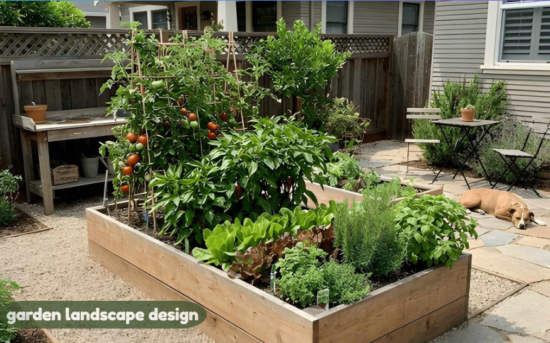
People want their yards to do more than look good. Homeowners are folding fruit trees, berry bushes, and edible flowers directly into their ornamental beds—beauty and function in the same space.
Surveys from Monrovia Nursery show edible gardening is a top goal across all age groups. Columnar apple trees, compact blueberries, fig trees, and edible flowers are now woven directly into ornamental beds. Designer Kristian Thiem notes fruit trees “pull double “duty”—blossoms in spring, harvest later.
You don’t need to sacrifice your entire lawn to a separate plot; figuring out how to grow vegetables at home in 2026 is all about choosing multi-functional plants that earn their place directly within your primary landscape design.
4. What Is Driving the Indoor-Outdoor Design Blur?
The indoor-outdoor design blur is driven by a desire to treat the backyard as a true visual and functional extension of the home’s interior living space.
Performance fabrics, side tables styled like indoor furniture, and décor-quality planters have nearly erased the line between inside and out. Thiem describes it well: furniture built for exterior use is now styled exactly like indoor pieces. The practical tip: pull your outdoor color palette from inside your home for a cohesive feel that makes even a small yard feel intentional.
5. What Is Intentional Rewilding vs. Lawn Neglect?
There’s a real difference between a rewilded yard and a neglected one—even if they might look similar at first glance. Neglect is just not caring
Rewilding is a conscious decision: you scale back the lawn, bring in native flowering plants, lay gravel paths that let rainwater soak through, and leave leaf mulch on the ground to feed the soil beneath it. Every choice has a reason behind it.
The 2025 Philadelphia Flower Show built its entire “Gardens of Tomorrow” theme around this idea—the plants we put in the ground today have a direct impact on the environment we’ll be living in tomorrow
6. How Does Precision Gardening Save Time and Money?
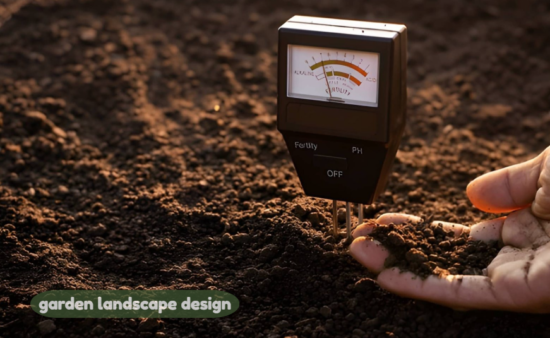
A soil test kit and a basic light meter cost very little, but they change how you garden entirely. Instead of buying what looks good at the nursery and hoping it survives, you already know what your yard needs.
The Garden Media Group noticed this shift too—their 2026 Trends Report points to precision gardening as one of the movements worth watching this year. Soil testing kits, moisture sensors, and pH meters are increasingly common among home gardeners.
If you’re wondering how to design a garden layout Kdagardenation recommends starting with data-driven precision gardening to make the process far more achievable. Testing your conditions before you buy a single plant saves you both time and cash.
7. Why Is Landscape Maximalism Making a Comeback?
Landscape maximalism is returning because many plant lovers are rejecting spare, minimalist yards in favor of bold, layered spaces packed with color and texture.
National Garden Bureau director Diane Blazek describes it as “big and bold — the opposite of minimalism.” Diverse textures, overflowing containers, bold foliage mixed with flowering plants — it feels collected rather than clinical. It pairs especially well with the nook trend, where a lush, layered corner becomes a truly immersive outdoor room. When designing garden beds Kdagardenation suggests staggering plant heights—placing tall structural shrubs at the back, mid-sized bold foliage in the center, and low cascading flowers at the lip—to achieve that rich, maximalist depth.
Putting It All Together
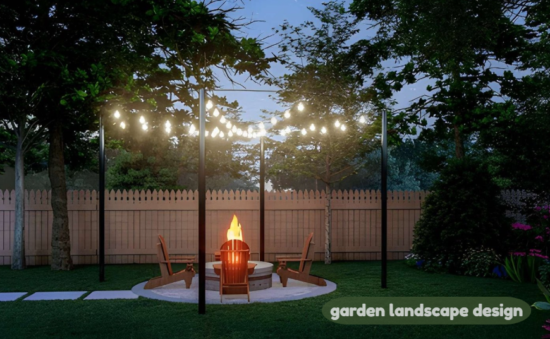
These trends aren’t competing — they point in the same direction: outdoor spaces that serve both people and the environment. Pick one corner, one idea—a fire pit, a native shrub border, a few edible plants—and start there. Good garden design in 2026 isn’t about achieving something flawless. It’s about creating a yard you’ll actually step into.
A Practical Conclusion
The gardens people actually enjoy in 2026 aren’t the most expensive or the most polished—they’re the ones that get walked into, sat in, and used on a regular Tuesday afternoon.
Not the ones that look impressive in photos but feel sterile in real life. The trends driving modern garden landscape design this year are overwhelmingly about comfort, ecology, and intention, which is a refreshing shift from the performative perfection that defined outdoor design for so long.
Your next step: Walk your yard with fresh eyes. Pick one area that feels underused or uninspiring and ask yourself what it would take to make it a place you’d actually want to spend time. Money or a big strategy is not the first step. It’s a straight look at what your yard is actually missing. From there, keep things manageable, plant with intention, and let the space find its shape gradually.
Start small, plant smart, and let the space grow with you.