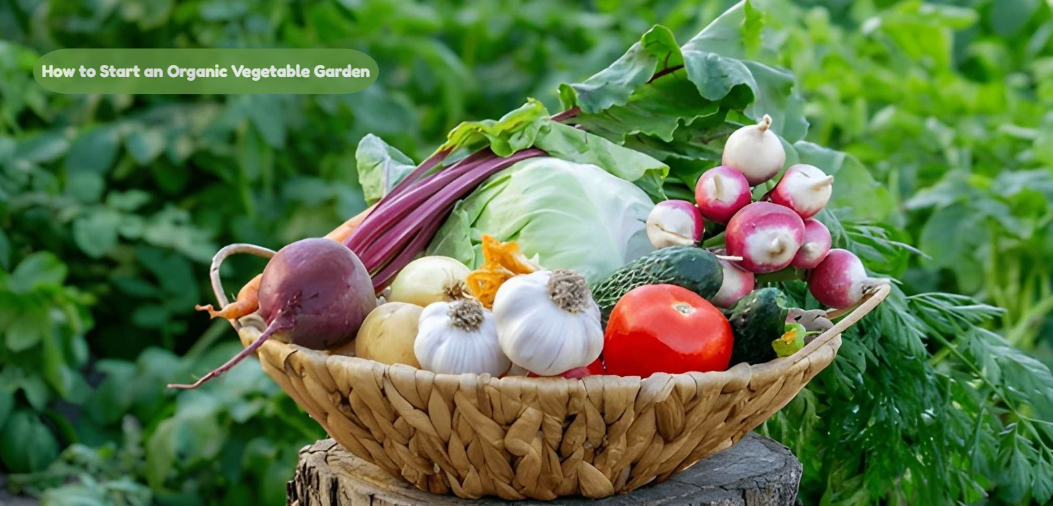
If you are wondering how to start an organic vegetable garden, choose a sunny spot with at least six hours of direct light, build or improve your soil with compost, select beginner-friendly vegetables like tomatoes, lettuce, and beans, and avoid synthetic pesticides entirely. You can get growing for under $50 using seeds, repurposed containers, and homemade compost.
Why Growing Your Own Food Is Worth Every Dollar
Most people assume organic produce is expensive because buying it is. Growing it is the opposite. Back in 2023, a USDA report confirmed that households growing even a small backyard garden saved an average of $600 annually on groceries. That number gets bigger when you go organic, because certified organic vegetables at places like Whole Foods or Sprouts carry a premium that adds up fast.
This is what made me rethink the whole thing. After spending nearly $80 a month on organic greens alone, I started planning my first raised bed in the spring of 2022 using nothing but a $12 seed packet assortment from Baker Creek Heirloom Seeds and some reclaimed lumber from Facebook Marketplace. By July, I had more kale than I knew what to do with.
Knowing how to start an organic vegetable garden isn’t complicated once you strip away the marketing noise. It’s soil, sun, water, and patience. And for under $50 — using a bag of compost, a handful of seed packets, and repurposed containers like five-gallon buckets or fabric grow bags — you can have a fully productive starter garden up and running in a single weekend.
How to Start an Organic Vegetable Garden: Planning Your Space
What is the best location for a vegetable garden in your backyard?
The best location for a vegetable garden gets a minimum of six hours of direct sunlight daily, has access to a water source nearby, and sits on level ground that drains well rather than pooling after rain.
Most beginners overthink this step. You don’t need a sprawling yard. A 4×8-foot raised bed, a sunny apartment balcony, or even a south-facing window ledge can produce a real harvest. The Reddit community r/vegetablegardening is genuinely one of the most useful free resources out there. There, members regularly post photos of productive setups in tiny urban spaces that would surprise you.
When thinking about how to design a garden layout kdagardenation , start by sketching your available space on graph paper or using a free tool like GrowVeg’s online planner. Map where your sun hits in the morning versus the afternoon. Tall crops like tomatoes and pole beans should go on the north side of your bed so they don’t shade shorter plants. This one principle alone prevents most beginner frustration.
How to Build Healthy Organic Soil Without Spending Much
What kind of soil do you need for an organic vegetable garden?
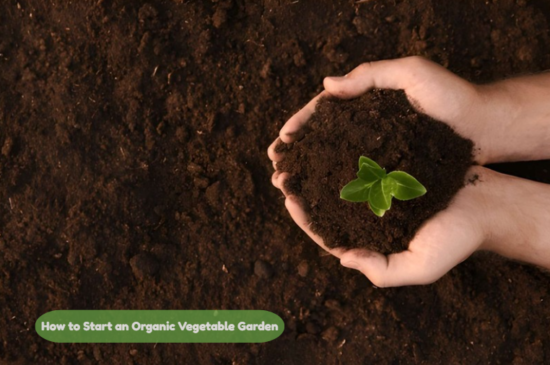
Organic vegetable gardens thrive in loose, well-draining soil rich in organic matter — ideally a mix of topsoil, aged compost, and perlite or vermiculite for aeration, with a pH between 6.0 and 7.0.
Soil is where this whole thing lives or dies. Seriously. Healthy soil means healthy plants that resist pests naturally, which is the whole point of going organic in the first place.
The cheapest path here is composting. I started a basic compost bin in 2022 using a $0 wooden pallet from a local hardware store. Within three months I had rich, dark compost ready to mix into my beds. If you’re starting out and don’t have compost ready, a 40-pound bag of Coast of Maine Organic Compost runs about $12 at most garden centers and is absolutely worth it.
One thing worth knowing about designing garden beds kdagardenation : UK horticulturalist Charles Dowding and the Rodale Institute are the two names most associated with the “no-dig” method—and for good reason. The no-dig method layers cardboard directly over grass or weeds, then piles compost on top. It smothers weeds, improves soil biology, and costs almost nothing. By the following season, your soil is genuinely transformed.
Choosing the Right Vegetables to Grow at Home
What vegetables are easiest to grow for beginners on a budget?
The easiest vegetables for beginners are lettuce, radishes, green beans, zucchini, and cherry tomatoes — all of which germinate quickly, produce heavily, and require minimal intervention once established.
Here’s a practical comparison to help you decide what to plant based on your goals:
| Vegetable | Days to Harvest | Avg. Seed Cost | Budget-Friendliness | Best For |
| Lettuce | 45–60 days | $2–$3/pack | Excellent | Beginners, small spaces |
| Cherry Tomatoes | 60–80 days | $3–$4/pack | Very High | High yield, containers |
| Green Beans | 50–60 days | $2–$3/pack | Excellent | Trellises, vertical gardens |
| Zucchini | 50–65 days | $2–$3/pack | Very High | Prolific producers |
| Radishes | 25–30 days | $1–$2/pack | Excellent | Fast results, gap fillers |
| Kale | 55–75 days | $2–$3/pack | Excellent | Long harvest window |
If you are figuring out how to grow vegetables at home for the first time, start with three or four varieties max. I made the mistake in 2022 of planting fifteen different things and managing none of them well. Focus wins.
Budget-Friendly Setup: Containers, Beds, and Materials
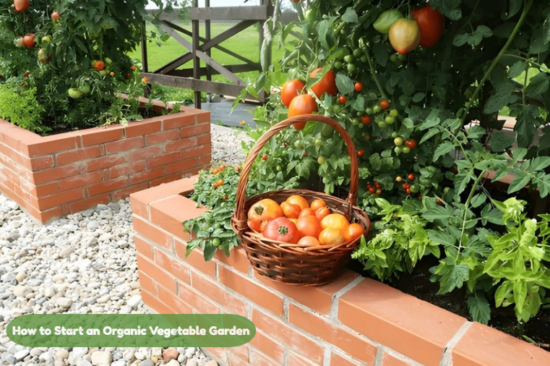
Can you start a vegetable garden for under $50?
Yes — a fully functional starter vegetable garden can be built for under $50 using repurposed containers, a single bag of quality compost, and an inexpensive seed assortment.
This is where Modern Small Garden Ideas On Budget really shines. You don’t need cedar raised beds or fancy irrigation. Here’s what actually works:
- Five-gallon buckets from Home Depot cost about $5 each and grow tomatoes, peppers, and herbs beautifully. All you need to do is drill drainage holes in the bottom.
- Food-grade plastic storage bins from Dollar Tree have been used by thousands of gardeners to grow lettuce and greens — you’ll find entire threads about this on r/frugalgardening.
- Old wooden pallets, cleaned and lined with landscape fabric, make surprisingly productive strawberry or herb planters.
- Fabric grow bags in 7- or 10-gallon sizes run $8–$15 for a pack of five on Amazon and are reusable for several seasons.
The real secret to keeping costs down is buying seeds rather than transplants. A single tomato transplant at a nursery costs $4–$6. A seed packet containing 25+ seeds costs the same and gives you far more plants. Seed Savers Exchange and Johnny’s Selected Seeds both ship affordably across the US.
Organic Pest Control and Watering on the Cheap
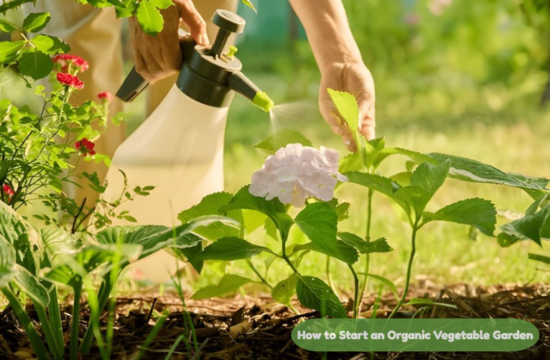
How do you keep pests away from an organic vegetable garden naturally?
The most effective natural pest control methods include hand-picking insects, applying neem oil spray, planting companion herbs like basil and marigolds, and encouraging beneficial insects by avoiding all synthetic pesticides.
The three core methods every organic gardener should know are neem oil spray, hand-picking insects directly off leaves, and companion planting with pest-deterring herbs like basil and marigolds. Together these three handle the vast majority of common garden pest problems without a single synthetic chemical. Neem oil is the backbone of organic pest management for home gardeners. A 16-ounce bottle runs about $10 and dilutes into gallons of spray. It handles aphids, whiteflies, and fungal issues like powdery mildew without harming bees once it dries. I’ve used the Garden Safe brand for three consecutive seasons, and it works consistently.
Watering is where people either overspend or overwater. A simple soaker hose connected to a $15 timer from Amazon delivers water directly to roots, cuts your usage by about 30% compared to overhead watering, and practically eliminates fungal disease. The Gardena brand makes reliable, budget-friendly timers that work with standard US hose fittings.
Frequently Asked Questions
How long does it take to start an organic vegetable garden from scratch?
You can have seeds in the ground within a weekend. Planning, building a simple raised bed or container setup, and sowing seeds typically takes one to two days of active work, though soil preparation through composting benefits from starting four to six weeks earlier.
Do I need to buy organic seeds specifically?
Organic seeds are grown without synthetic chemicals and are worth choosing when budget allows, but non-GMO, untreated conventional seeds from reputable suppliers will still produce a fully organic harvest when grown in healthy soil without synthetic inputs.
Is a raised bed or in-ground garden better for beginners?
Raised beds give beginners more control over soil quality, drain better, warm up faster in spring, and are easier on your back — making them the preferred choice for most people learning how to start an organic vegetable garden for the first time.
How much sun does a vegetable garden actually need?
The majority of crops that bear fruit, such as beans, tomatoes, and peppers, require six to eight hours of direct sunlight.
Leafy greens like lettuce, spinach, and kale tolerate partial shade and can manage on four hours, making them a better fit for shadier spots.
Conclusion: Start Small, Stay Consistent, and Actually Enjoy It
Knowing how to start an organic vegetable garden is genuinely within reach for anyone willing to spend one focused weekend on setup. It doesn’t require years of experience, a large yard, or a large budget. You need decent soil, a sunny spot, a few seed packets, and the willingness to pay attention to your plants.
The biggest thing I’d tell someone just starting out in 2026 is this: resist the urge to scale too fast. One well-managed 4×4 bed will teach you more than five neglected ones. And the harvest from even a small plot—tomatoes you grew yourself, basil you pinched from a plant you kept alive—hits differently than anything from a grocery store.
Your next step is straightforward. Pick one spot in your yard, balcony, or patio that gets good sun. Grab a bag of compost and two or three seed packets of vegetables you actually eat. Start this weekend. That’s genuinely all it takes to begin.

One thought on “How to Start an Organic Vegetable Garden at Home on a Budget”