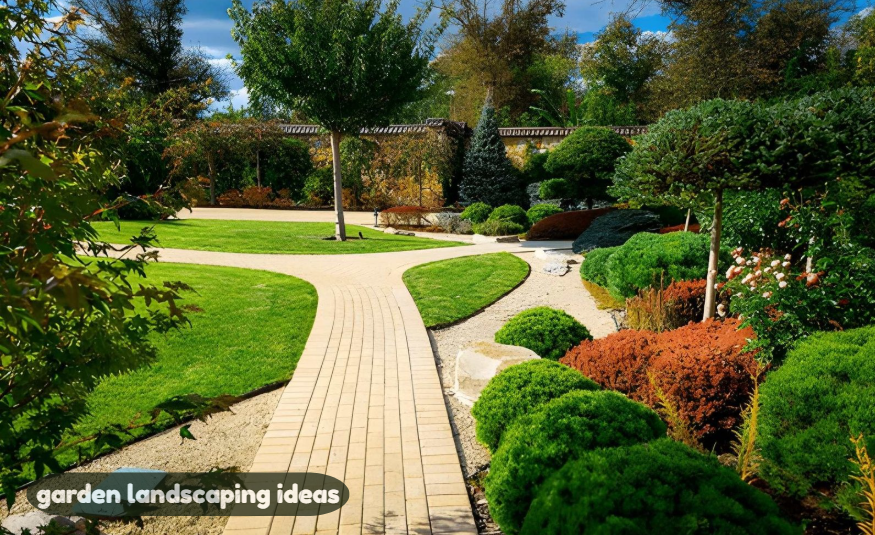
Garden landscaping ideas on a budget are practical, low-cost strategies that help beginners transform outdoor spaces using affordable plants, repurposed materials, and simple design principles — without hiring a professional or spending more than a few hundred dollars in total.
If you’ve ever stared at a bare yard with no idea where to start, you’re not alone. Back in 2022, I spent a weekend on Reddit’s r/landscaping reading through posts from homeowners in the exact same spot. Most didn’t need a designer—they needed a plan and a realistic budget
How to Plan a Garden Layout Before You Buy Anything
What is the easiest way to design a garden layout for beginners?
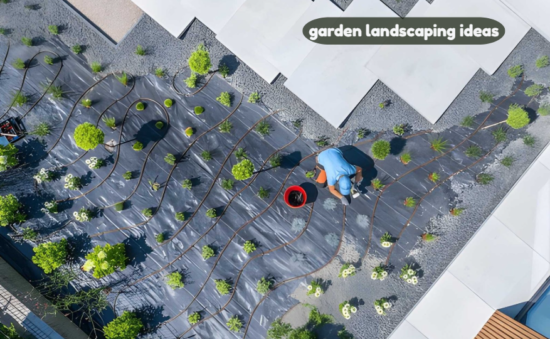
The easiest way to design a garden layout for beginners is to sketch the yard on graph paper, map sun exposure and drainage over a weekend, and use free digital tools like Google Earth or Canva to plot high-traffic zones before buying plants. This is the best starting point, which every guide on how to design a garden layout kdagardenation will tell you.
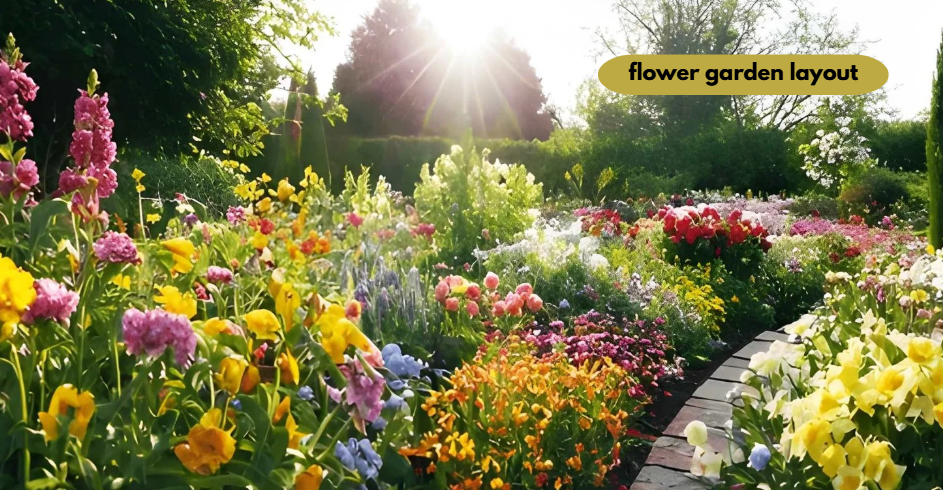
Most beginners buy plants they love and then figure out where to put them—that’s backwards. Spend one Saturday walking your yard at different times of day to track where the sun actually lands. A south-facing bed and a shaded north corner need completely different plants, and getting that wrong is an expensive lesson.
When you’re sketching your garden landscape design, think in zones:
- A high-traffic zone closest to your door or patio deserves your cleanest, most intentional plantings because guests always notice it first.
- A middle zone works perfectly for perennial borders that fill in over time and require very little annual replanting.
- A back or edge zone is ideal for native ground covers, mulched paths, or a simple compost area that practically runs itself.
Free tools like Canva (yes, Canva) actually have garden layout templates that work surprisingly well for this planning stage. The point isn’t perfection — it’s just getting a visual so you’re not wandering aimlessly at the nursery.
Best Budget Garden Landscaping Ideas That Actually Work
What are the cheapest ways to landscape a yard?
The cheapest ways to landscape a yard include mulching, dividing existing perennials, collecting free compost from municipal programs, and shopping end-of-season nursery sales.
Mulch alone is worth starting with. I used ChipDrop in 2023—a free service that connects you with local arborists offloading wood chips—and had three cubic yards delivered to my driveway at no cost. It smothered weeds all season.
A few other strategies that actually move the needle:
- Dividing hostas, daylilies, or ornamental grasses gives you free plants for bare spots, and most perennials prefer it every three years anyway.
- Native plants cost far less to maintain because they thrive in your local climate without extra watering or feeding.
- The nursery discount rack in late summer offers healthy, established plants at 50–70% off—they just need a little recovery time.
- Reclaimed lumber or standard 8-inch concrete cinder blocks make solid raised bed borders without the price tag of premium natural stone edging.
When I helped a neighbor redesign her front yard flower garden ideas into something manageable in the summer of 2024, we spent under $180 total. The secret was combining three $12 ornamental grasses with a flat of $4-per-six-pack annuals and two bags of dark brown mulch. It looked like a $1,500 professional job by August.
Front Yard Landscaping on a Budget: First Impressions Matter
How can I make my front yard look nice on a small budget?
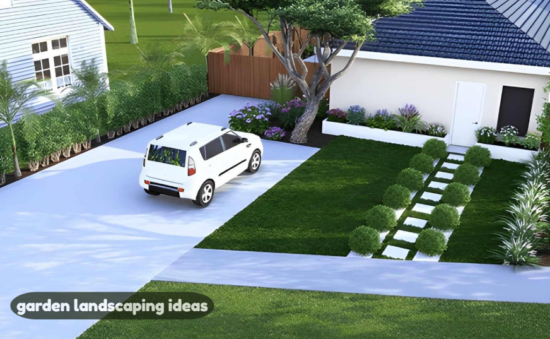
You can make your front yard look impressive on a small budget by focusing on clean edging, a defined mulched bed along the foundation, one or two anchor shrubs, and a simple repetition of color using inexpensive annuals like marigolds or zinnias.
Curb appeal is less about expensive plants and more about neatness and intention. A yard with $30 worth of plants in clean, edged beds with fresh mulch looks better than a yard with $300 worth of plants thrown in randomly. That’s just the truth.
Start with a single, powerful focal point. This could be a small Japanese maple, a dwarf evergreen, or even a large decorative pot near your front door. Then build outward from that anchor. Think about how your outdoor living kdagardenation space connects to the yard—even something as simple as a defined path made from stepping stones gives the whole front area a sense of intention and flow.
The Bankrate 2024 Home Improvement Report found that basic landscaping improvements like mulching, edging, and planting a simple foundation bed consistently return over 100% of their cost at resale. You don’t need a massive project to move the needle.
Raised Beds, Paths, and DIY Hardscaping on a Budget
Is it cheaper to DIY landscaping than hire a professional?
Yes, DIY landscaping is almost always significantly cheaper than hiring a professional — most homeowners save 60–80% doing the labor themselves.
Hardscaping is really just digging, leveling, and setting materials. A stepping stone path takes about four hours and $40–60 in materials; a contractor quotes the same job at $300–500.
A few beginner-friendly starting points:
- Pea gravel paths between raised beds install easily, drain well, and stay clean with almost no upkeep.
- Landscape fabric underneath prevents weeds from pushing through for years without any spraying.
- A timber-framed raised bed goes up in an afternoon using No. 2 grade pressure-treated 2×6 lumber — about $50–80 for a 4×8 bed.
- Concrete pavers from hardware store clearance racks can build a clean patio edge or fire pit surround for under $100.
Plant Selection: What to Grow When You’re Just Starting Out
What plants are best for beginner garden landscaping on a budget?
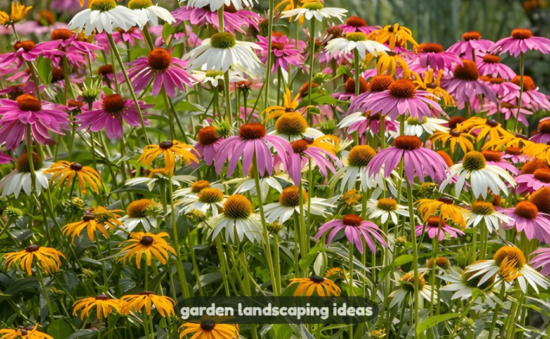
The best beginner plants for budget landscaping are native perennials, ornamental grasses, hostas, coneflowers, black-eyed Susans, and lavender — all hardy, low-maintenance, and inexpensive.
Pick plants that forgive you for being new. Native perennials come back every year, spread on their own, and need almost no attention once established. In the Midwest or Northeast, black-eyed Susans and coneflowers are nearly impossible to kill. In warmer climates, lavender and ornamental sage do the same job for the same price.
Check the free USDA Plant Hardiness Zone Map (specifically Zones 3 through 10) before you buy so nothing dies over winter. Focusing on native cultivars suited to your exact microclimate ensures long-term survival.
The project gallery at ww. kdarchitects.net is worth bookmarking for visual inspiration when you’re trying to match plants to architectural styles—seeing the pairings in real project photos is far more useful than guessing from a tag at the nursery.
Comparative Table: Budget vs. Premium Landscaping Choices
| Project | DIY Budget Approach | Estimated Cost | Professional/Premium Alternative | Estimated Cost |
| Mulching front beds | Buy bulk mulch, install yourself | $30–$80 | Landscaper supply & install | $200–$500 |
| Raised vegetable bed | Build with lumber and fill with soil mix | $60–$120 | Pre-built cedar kit installed | $400–$800 |
| Stepping stone path | Pea gravel + basic pavers | $40–$80 | Natural stone path, contractor-set | $500–$1,500 |
| Perennial border | End-of-season sales, native species | $50–$150 | Full designer border, premium plants | $600–$2,000 |
| Foundation planting | 2–3 evergreens + annual color | $80–$160 | Full professional install | $800–$2,500 |
Frequently Asked Questions About Garden Landscaping Ideas
How do I start landscaping with no experience?
Start by observing your yard’s sun, shade, and drainage patterns for a full week, then sketch a simple zone map, pick one small area to focus on first, and build from there rather than trying to tackle everything at once.
What is the most low-maintenance type of garden landscaping?
Native plant gardens and mulched perennial borders win here—native species are already adapted to your local rainfall and soil, so once they’re in the ground, you can mostly leave them alone.
How much should a beginner budget for garden landscaping?
Honestly, $100–$500 goes further than most people expect. Prioritize mulch, native plants, and your own labor over kits or contractors and you’ll be surprised what that budget covers.
Can I landscape my yard myself without any tools?
You can accomplish a significant amount with just a shovel, a garden fork, a trowel, a pair of pruning shears, and a garden hose—most beginner landscaping projects require nothing more, and many of these can be borrowed or bought secondhand for under $40 total.
A Practical, Honest Conclusion
There’s no magic formula to a beautiful garden—just a series of small, intentional decisions made over time. The best garden landscaping ideas aren’t the ones that look most impressive in a magazine. They’re the ones you’ll actually maintain, that fit your real budget, and that make you feel good every time you look out your window.
Start with one bed, one corner, or one path—and do it well. A professional-looking garden comes down to consistency: clean edging, fresh mulch, and even plant spacing. That’s completely achievable on a beginner’s budget.
When you’re ready, sketch your first zone this weekend and drop it in r/landscaping or r/gardening for free feedback from people who’ve been exactly where you are.

One thought on “Garden Landscaping Ideas on a Budget for Beginners (2026 Guide)”