To learn how to pest-proof your plants naturally, start with healthy soil, smart spacing, weekly leaf checks, and flowers that feed beneficial insects. Put up row covers, and only when pests show up, grab the hose or some mild soap. Most gardens do fine without synthetic pesticides.
Key Takeaways
- Strong, happy plants shrug off bugs better than weak ones, so get soil, light, and watering right before spraying.
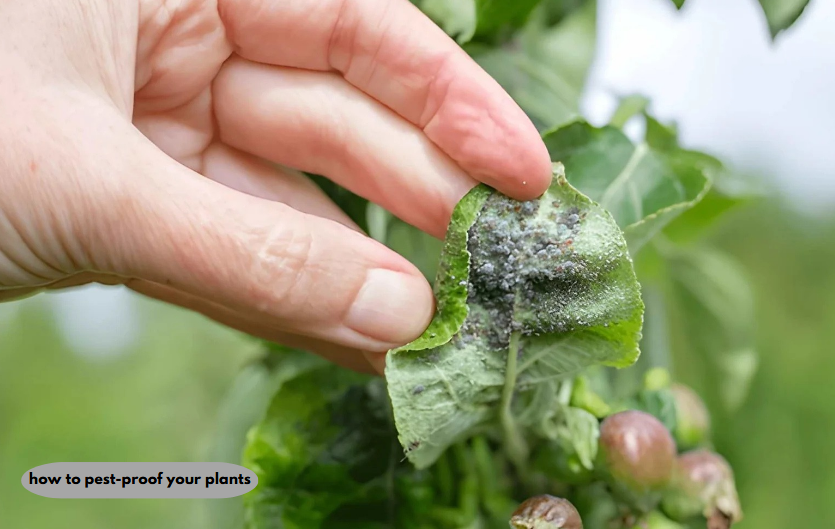
- Flip a few leaves each week to spot aphids, mites, and whiteflies early.
- Flowers such as sweet alyssum, dill, and yarrow attract lady beetles, lacewings, and parasitic wasps that eat garden pests.
- Insecticidal soap kills soft-bodied pests only on contact and gives no protection once it dries.
- Broad-spectrum sprays kill beneficial insects, which often lets pest numbers rebound within weeks.
What Is Natural Pest-Proofing?
Natural pest-proofing is the practice of keeping plant pests below damaging levels through plant health, garden design, physical barriers, and helpful predators instead of synthetic chemicals.
How to Pest-Proof Your Plants: 9 Simple Ways That Work
Use these methods in order, because each one reduces the need for the next. Only the last step involves a spray.
Prevention (steps 1–5)
- Build healthy soil. Mix 2 to 3 inches of compost into garden beds each spring, and skip heavy high-nitrogen fertilizer that grows soft, aphid-friendly shoots.
- Give plants room. Follow seed-packet spacing as your guide, and leave airflow paths when you design a garden layout.
- Inspect weekly. Flip five leaves per plant type and look for eggs, webbing, sticky residue, and chewed edges.
- Quarantine new plants. Keep nursery plants apart for two weeks before adding them to beds or a small indoor garden.
- Water at the base in the morning. Dry leaves overnight mean fewer slugs and less fungal disease.
Defense (steps 6–9)
- Plant for predators. Sweet alyssum, dill, yarrow, and cosmos feed lady beetles, lacewings, and hover flies; bloom-in-sequence perennials give warm regions near year-round flowers.
- Use trap crops. Nasturtiums pull aphids off vegetables, and radishes lure flea beetles away from greens.
- Add barriers. Row covers block cabbage worms, and cardboard collars stop cutworms. Lift covers when squash flowers so bees can pollinate.
- Hose, hand-pick, then spray. Knock off aphids with water, drop beetles into soapy water, and save soap or neem oil for stubborn infestations.
Why predators matter
Adult convergent lady beetles can eat up to 50 aphids a day, according to Colorado State University’s agricultural biology program. A dozen adults on one rose bed can clear up to 600 aphids daily, so protect them by skipping broad-spectrum sprays.
Which Natural Method Works Best for Each Pest?
Match the method to how the pest feeds. Sap feeders respond to water and soap, while chewing pests need barriers or hand-picking.
| Pest | Signs | First step | Backup step |
| Aphids | Curled leaves, sticky honeydew | Water spray | Insecticidal soap |
| Spider mites | Speckled leaves, fine webbing | Rinse leaf undersides. | Insecticidal soap |
| Whiteflies | White cloud when shaken | Yellow sticky cards | Soap on leaf undersides |
| Cabbage worms | Holes in kale, green droppings | Row covers | Hand-picking or Bt |
| Slugs and snails | Slime trails, ragged holes | Morning watering | Iron phosphate bait |
| Japanese beetles | Lacy, skeletonized leaves | Hand-pick at dawn | Row cover |
| Fungus gnats | Tiny flies near potting soil | Let top inch dry | Yellow sticky cards |
Bt is Bacillus thuringiensis, a bacterium that targets caterpillars but spares bees. Soap does not harm hard-shelled beetles, so skip it for Japanese beetles.
How Do You Mix a Safe Homemade Soap Spray?
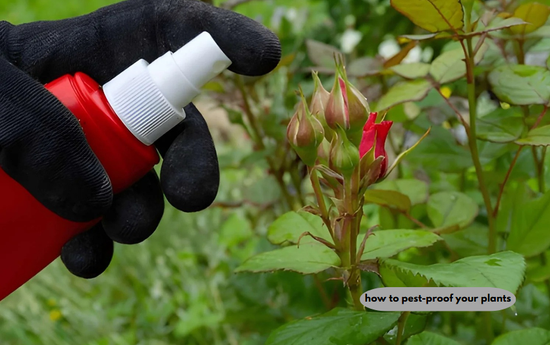
Mix pure liquid soap with water at about 2 percent strength, then test it on a few leaves first. Use soap with no degreaser, bleach, or fragrance.
Nebraska Extension lists 5 tablespoons of soap per gallon of water for a 2 percent mix.
Worked example: one 32-ounce bottle
- A gallon holds four quarts, so one quart needs 5 ÷ 4 = 1.25 tablespoons.
- That equals 3¾ teaspoons, so use a rounded 4 teaspoons.
- For tomatoes, ferns, and other sensitive plants, use about 2 teaspoons for a 1 percent mix.
How to apply it
- Spray in early morning or evening.
- Coat leaf undersides, where pests hide.
- Rinse with plain water if leaf edges brown within hours.
- Repeat every 5 to 7 days, since soap only works while wet.
How Much Does Natural Pest Control Cost?
Organic pest management is cheap since its key supplies are just a garden hose, compost, and some blooming plants. Bought products only enter at step nine.
Where your budget goes
American gardening households spent a record $740 each in 2025, according to the National Gardening Association’s 2026 National Gardening Survey. That is about $62 a month, so shift part of it from rescue sprays to compost, insectary seed, and reusable row covers that last several seasons.
- A cheap garden plan favors self-seeding annuals and long-lived perennials that feed predators every year.
- Knowing how to pest-proof your plants early costs far less than replacing a dead shrub.
Pest-smart design ideas
- Any style works: a cottage border of yarrow and cosmos doubles as predator habitat.
- Patios: herb edging adds scent to outdoor living areas and hosts hover flies.
- Vegetable plots: the kdarchitects team recommends a strip of insectary flowers beside every vegetable bed.
- Low-maintenance landscape ideas: native perennials need little care and support local beneficial insects.
What Is the Most Common Pest-Proofing Mistake?
The most common mistake is spraying at the first sign of a bug, which kills the predators that would have solved the problem for free.
Mistake 1: Spraying too soon
- Why it happens: Aphids arrive a week or two before lady beetles, so gardeners see pests first.
- The fix: Hose the plant, mark it, and recheck in 7 to 10 days. Spray only if the colony grew and you see no lady beetle larvae or tan “mummy” aphids.
Mistake 2: Spraying stressed plants in heat
- Why it happens: Afternoon is when most people have time to garden.
- The fix: Water the day before and spray in cool hours. Patience is part of how to pest-proof your plants, since predators follow prey by days, not hours.
When Natural Pest-Proofing Falls Short
Greenhouses and other enclosed spaces lack outdoor predators, so spider mites and mealybugs breed nonstop there; buying predatory mites or using a labeled horticultural oil on a schedule works better than waiting. Invasive pests such as spotted lanternfly also need reporting in many states, and large trees call for a certified arborist.
Frequently Asked Questions
What is the best natural way to keep bugs off plants?
The best natural defense is a healthy plant in the right spot, checked weekly and surrounded by flowers that attract predatory insects. Use row covers for crops that chewing pests target.
Does dish soap keep pests off plants?
Mild liquid soap kills soft-bodied pests on contact, but it does not repel insects or protect leaves after it dries. Degreasing and scented soaps can burn foliage, so test a few leaves first.
What plants naturally repel garden pests?
Strong-scented herbs such as basil, rosemary, and mint can mask nearby crops, but attracting predators protects plants more reliably than repellent plants alone. Pair herbs with dill and yarrow.
How do you keep pests off indoor plants?
Quarantine new plants, let the top inch of soil dry between waterings, and rinse leaves every few weeks. Yellow sticky cards catch fungus gnats.
Do ladybugs really help control aphids?
Yes, adult lady beetles and their larvae both eat aphids, and they work best when you stop using broad-spectrum sprays. Release purchased ladybugs at dusk onto watered plants so fewer fly away.
Conclusion
Learning how to pest-proof your plants comes down to prevention first, predators second, and sprays last. Healthy soil, weekly checks, and a few insect-friendly flowers protect a garden more cheaply than any bottle on the shelf.