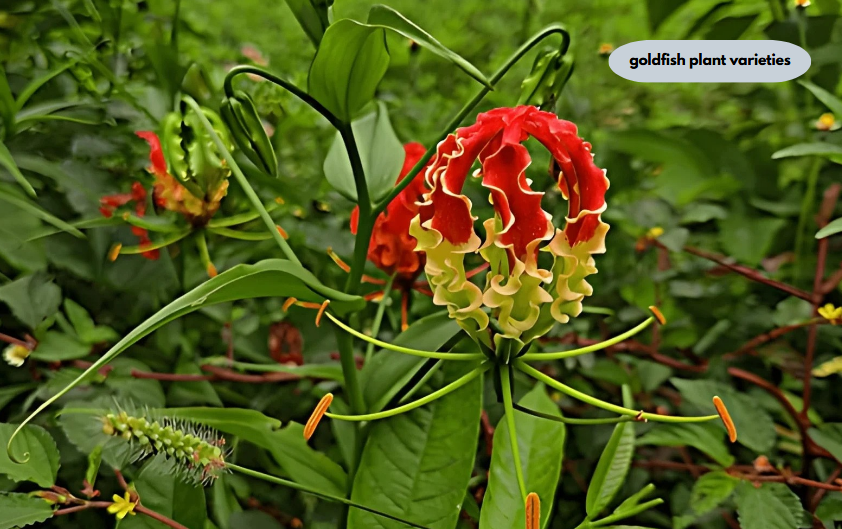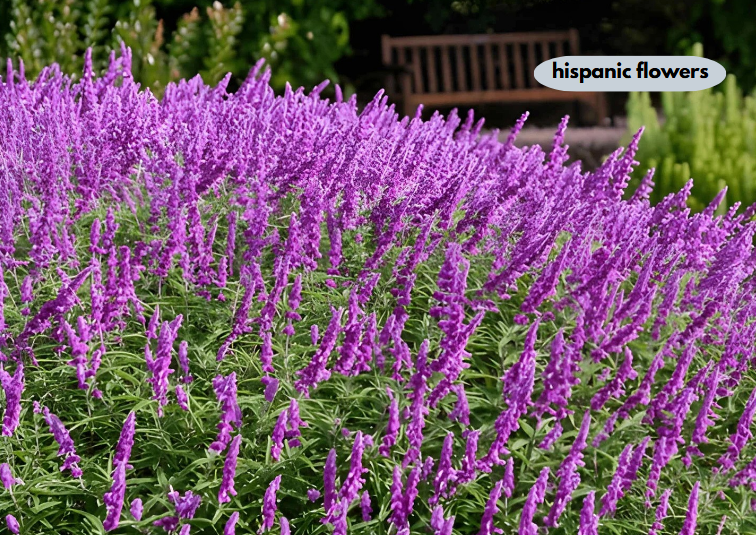

The best easy flowers to grow in hot weather climates are zinnia, lantana, vinca, portulaca, pentas, marigold, and nine other sun-lovers that keep blooming above 90°F. Plant them in full sun after the soil warms; water deeply once or twice a week, and they flower until frost.
Key Takeaways
- Zinnia, marigold, cosmos, sunflower, and portulaca grow from seed sown straight into warm garden soil.
- Heat tolerance and cold hardiness are separate ratings, so a hardiness zone number says nothing about summer survival.
- A 4-by-8-foot bed holds 32 plants at 12-inch spacing.
- East-facing beds get morning sun and miss the hottest part of the afternoon.
- Deep watering once or twice a week builds stronger roots than a light daily sprinkle.
What is a heat-tolerant flower?
A heat-tolerant flower is a plant that keeps setting buds and holding its color through weeks of daytime highs above 90°F without wilting, scorching, or going dormant.
Easy Flowers to Grow in Hot Weather Climates
Zinnia, vinca, lantana, and portulaca are the easiest because all four bloom nonstop in full sun and forgive a missed watering. The 15 picks below mix annuals you replant each spring with perennials that return on their own.
| No. | Flower | Life cycle | Typical height | Easiest start |
| 1 | Zinnia | Annual | 1–4 ft | Seed |
| 2 | Marigold | Annual | 6 in–3 ft | Seed |
| 3 | Cosmos | Annual | 2–5 ft | Seed |
| 4 | Sunflower | Annual | 2–10 ft | Seed |
| 5 | Portulaca (moss rose) | Annual | 4–8 in | Seed |
| 6 | Vinca (annual periwinkle) | Annual | 8–18 in | Transplant |
| 7 | Pentas | Annual | 1–3 ft | Transplant |
| 8 | Angelonia | Annual | 1–2 ft | Transplant |
| 9 | Globe amaranth | Annual | 1–2 ft | Seed |
| 10 | Celosia | Annual | 8 in–3 ft | Seed |
| 11 | Lantana | Perennial in warm zones | 1–4 ft | Transplant |
| 12 | Blanket flower | Perennial | 1–2 ft | Seed |
| 13 | Black-eyed Susan | Perennial | 2–3 ft | Seed |
| 14 | Purple coneflower | Perennial | 2–4 ft | Transplant |
| 15 | Mealycup salvia | Perennial in warm zones | 1–3 ft | Transplant |
These are easy to grow plants for one reason: none of them need rich soil, staking, or daily care once roots are established.
Which picks suit dry heat, and which suit humid heat?
Portulaca, blanket flower, lantana, and globe amaranth handle dry heat best, while vinca, pentas, and angelonia hold up in sticky Gulf Coast and Southeast summers. Zinnias grow in both, but in humid areas choose narrow-leaf types and water at the soil line to prevent mildew.
How hot is too hot for garden flowers?
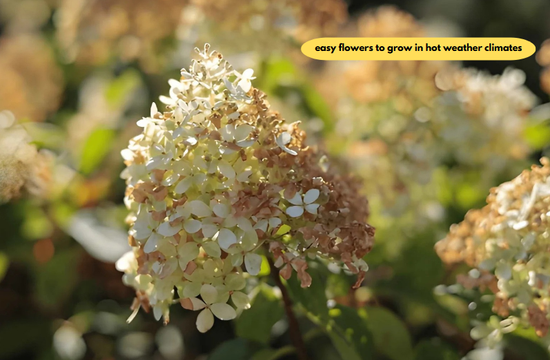
Flowers get into trouble when hot days pile up, not when one afternoon spikes. Dividing the nation into 12 zones, the American Horticultural Society’s Plant Heat Zone Map is based on the annual number of days exceeding 86°F, ranging from under one day in zone 1 to over 210 in zone 12.
Pull up last summer’s local weather records and count those days for your town. A yard with 90 or more needs flowers bred for heat. A yard with 150 or more needs afternoon shade for everything except the toughest five: lantana, vinca, portulaca, globe amaranth, and pentas.
A hardiness zone measures a different thing, the coldest night of winter. Dallas and Seattle carry similar winter ratings yet share nothing in July, so read plant tags for heat notes and not the zone number alone.
How do you lay out a flower bed for a hot yard?
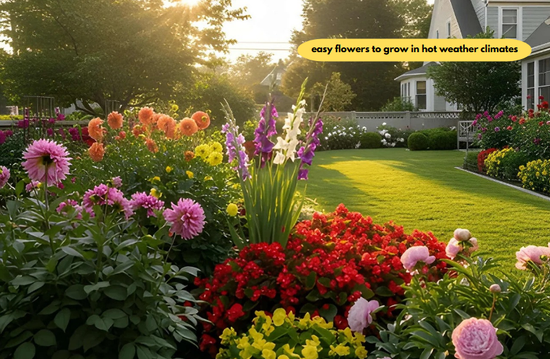
Put tall plants on the west side, short plants on the east, and group flowers by how much water they need. Anyone asking “can I design my own garden” needs only graph paper and a tape measure; a hot-climate bed takes no professional plan.
Good layout planning starts with shade, because designing gardens around afternoon sun matters more than color schemes once highs pass 95°F. Use these steps to design a garden layout that survives August:
- Track the sun for one day and mark every spot that gets shade after 2 p.m.
- Measure your bed, then sketch it proportionally: each graph square equals one square foot.
- Set the tallest plants, such as sunflower and cosmos, on the west edge so they shade shorter neighbors late in the day.
- Group thirsty plants like pentas and angelonia near the hose, and dry-soil plants like portulaca and blanket flower farthest from it.
- Leave a 2-foot path or stepping stones so you can deadhead without packing down the soil.
Here is the math for a 4-by-8-foot bed, which covers 32 square feet. At 12-inch spacing it holds 32 plants: 8 tall zinnias across the back, 16 pentas or salvia in two middle rows, and 8 vinca along the front.
Tighten the spacing to 9 inches, and each plant takes 0.5625 square feet, so the same bed needs about 57 plants. That is 25 extra plants to buy and less air moving between leaves, which makes 12 inches the better choice in humid regions.
Which way should a hot-climate bed face?
East is the safest choice, because the bed gets gentle morning sun and escapes the 3-to-6 p.m. peak. If you are deciding which direction should your garden face, rank the options east, south, west, then north.
A west-facing bed works only with the toughest picks, and a north-facing bed rarely gets the six hours of sun these flowers need. Beds beside patios and other outdoor living areas run hotter because pavement reflects heat, so plant vinca, lantana, or portulaca there.
When should you plant heat-tolerant flowers?
Plant after the last frost, once the soil feels warm to the touch, and sow seed early enough that blooms open before peak heat. Zinnias typically take 60 to 70 days from seed to first flower, according to University of Florida IFAS Extension production guidelines.
Count backward from the date you want color. For blooms by July 4, sow no later than April 25, which is 70 days earlier, and buy transplants instead if your last frost falls after that date.
The most common mistake comes after planting: a light sprinkle every day. It keeps roots in the top inch of soil, the hottest and driest layer. Water deeply once or twice a week so moisture reaches 6 inches down, then cover the soil with 2 to 3 inches of mulch.
Are U.S. summers getting harder on flowers?
Yes, summers are running warmer than the long-term norm, which turns heat tolerance from a bonus into a baseline requirement. Summer 2025 averaged 73.3°F across the contiguous United States, 2.0°F above the 20th-century average and the 12th-warmest on record, according to NOAA’s National Centers for Environmental Information.
A 2-degree rise in a seasonal average arrives in the garden as extra days past the stress line. Choose varieties rated for one step more heat than your yard has needed before, and replace pansies and snapdragons with vinca and angelonia by late spring.
Low-desert cities such as Phoenix and Las Vegas break the usual rules. When highs hold above 105°F, even lantana and vinca stall, and full-sun labels written for the rest of the country stop applying. Treat midsummer there as the off-season: plant in fall or early spring, hang afternoon shade cloth, and expect the best bloom in the milder months.
Frequently Asked Questions
What is the most heat-tolerant flower?
Lantana is the most heat-tolerant common garden flower, blooming through triple-digit days with little water once established. Portulaca and vinca are close seconds for small spaces. In Florida and Hawaii, choose sterile lantana varieties, since the common species spreads into wild areas there.
What flowers can take full sun all day?
Zinnia, portulaca, lantana, vinca, globe amaranth, and blanket flower all handle eight or more hours of direct sun. Give them deep watering for the first three weeks while roots spread.
How often should you water flowers in extreme heat?
Water established flowers in the ground deeply once or twice a week, and water containers once a day when highs pass 95°F. Early morning is the best time, since leaves dry fast and less water evaporates.
Do heat-tolerant flowers come back every year?
Some do: purple coneflower, black-eyed Susan, blanket flower, and salvia return each spring, while zinnia, marigold, and vinca last one season. Lantana and pentas survive winter only where frost is rare.
Can you plant flowers in the middle of summer?
Yes, heat-tolerant transplants take root in midsummer if you set them out in the evening and water daily for two weeks. Zinnia and cosmos seed also work when at least ten weeks remain before the first frost.
Conclusion
The easy flowers to grow in hot weather climates share three traits: they love full sun, tolerate dry spells, and bloom harder as temperatures climb. Match each plant to your heat-day count, face the bed east where you can, and water deep instead of often. Start with zinnia, vinca, and lantana, and a hot yard becomes the easiest garden on the block.