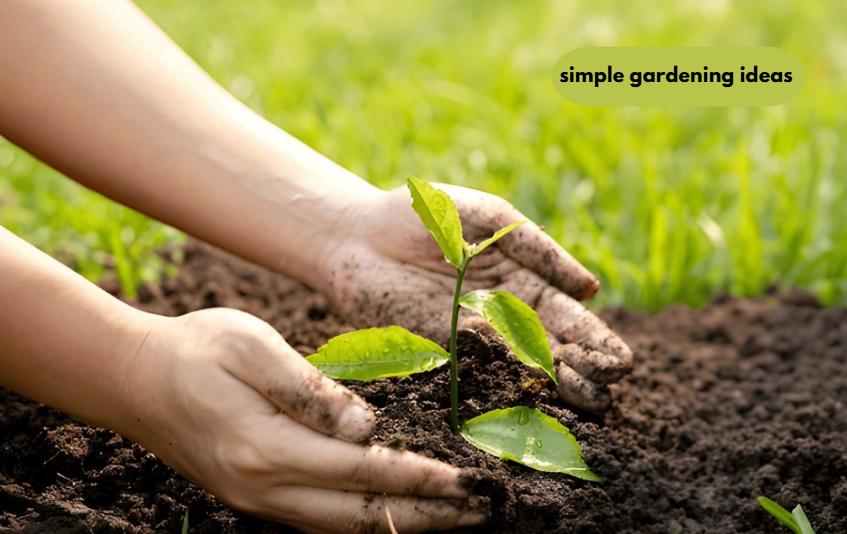
Simple gardening ideas usually come down to three things: choosing plants that forgive mistakes, starting with a small, manageable space, and matching what you plant to the sunlight and soil you actually have. Master those basics before worrying about anything fancy.
Most people quit gardening in the first season, not because they lack a green thumb but because they start too big. In April, a raised bed filled with a dozen different veggies looks thrilling; by July, it seems like part-time work. The fix isn’t more effort. It’s a smarter starting point.
Simple Gardening Ideas Every Beginner Should Start With
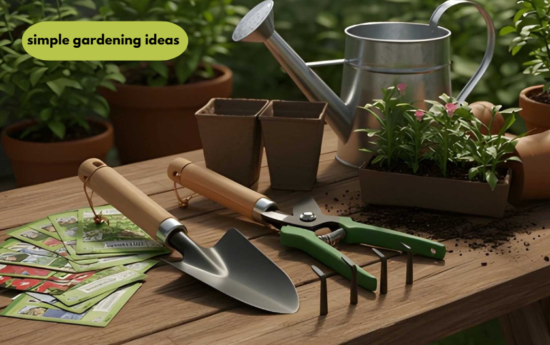
Starting Small: The 4×4 Rule
The easiest way to start is with one small container or a single 4×4-foot bed planted with two or three forgiving crops, so you can learn the basics without feeling overwhelmed.
Starting small isn’t a compromise; it’s actually the smarter strategy. A tiny garden that gets watered, weeded, and checked on regularly will always outperform a huge plot that gets neglected after the first busy week. Once you’ve kept a few plants alive through a full season, expanding becomes a lot less intimidating because you already understand your yard’s light patterns and your own habits.
Space Requirements for New Gardeners
A beginner garden can succeed in as little as 16 square feet, which is roughly the size of two standard raised garden beds.
You genuinely don’t need a backyard to grow something worthwhile. A sunny balcony, a strip along a driveway, or even a windowsill with the right containers can produce herbs, salad greens, or a few tomato plants. Renters and apartment dwellers often get better results than homeowners with sprawling yards simply because container gardening forces you to pay closer attention.
Containers vs. In-Ground Beds
Beginners usually see faster success with containers because pots offer better drainage control and let you move plants to chase the sun.
Once you’re comfortable with soil health, in-ground beds offer advantages, but containers eliminate a lot of uncertainty in the early stages. If your existing soil is compacted, sandy, or full of clay, which is common across large parts of the U.S., a pot filled with quality potting mix sidesteps that problem entirely rather than forcing you to fix it first. Anyone hunting for easy gardening tips for people with no experience will usually be pointed toward container growing for exactly this reason before anything else really sticks.
Easy Vegetables to Grow at Home for Beginners
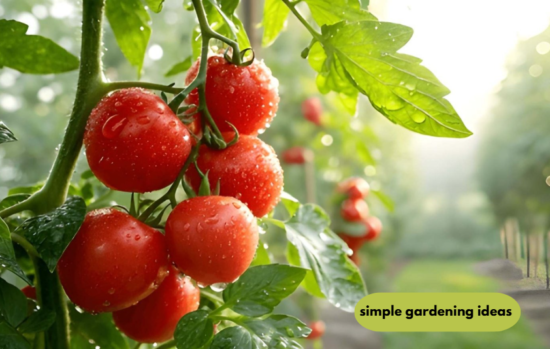
Simple Gardening Ideas: Top Forgiving Vegetables for Beginners
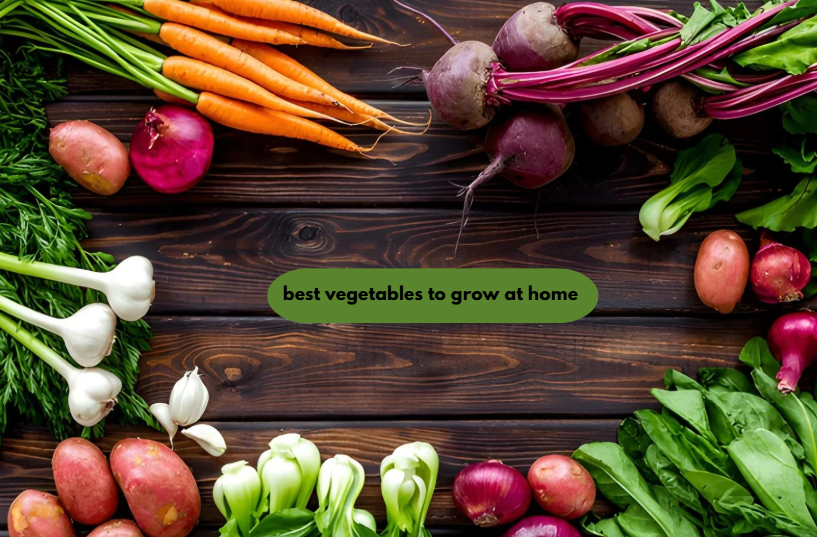
Cherry tomatoes, green beans, radishes, and leafy greens like lettuce are among the most forgiving vegetables for new gardeners.
These crops tend to tolerate inconsistent watering, average soil, and a beginner’s occasional neglect better than finicky vegetables like cauliflower or celery. Radishes are especially good for building confidence since they can go from seed to harvest in about 21 to 30 days.
A shortlist worth keeping on the fridge.
- Cherry tomatoes: Keep producing fruit even after a missed watering day or two.
- Bush beans: Skip the complex trellising that pole beans require.
- Zucchini: Grows exceptionally fast, yielding a heavy harvest all summer.
- Radishes: Go from seed to harvest in about 21 to 30 days.
- Marigolds: Easy-to-grow blooms that naturally deter common garden pests.
Hard-to-Kill Flowers for Quick Color
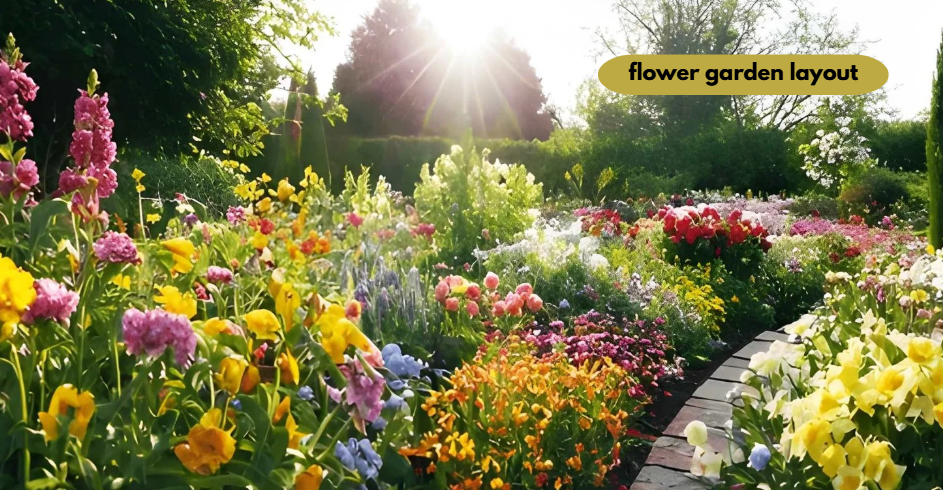
Zinnias, marigolds, and cosmos are widely considered the hardest flowers to kill because they tolerate poor soil, inconsistent watering, and full sun exposure.
These aren’t just easy; they’re also fast bloomers, which matters when you want visible progress within a few weeks rather than months. A full breakdown of Easy to grow plants organized by sun exposure and USDA hardiness zone is worth bookmarking if you want to expand your list once these first few take off.
Indoor Herbs for Year-Round Harvests
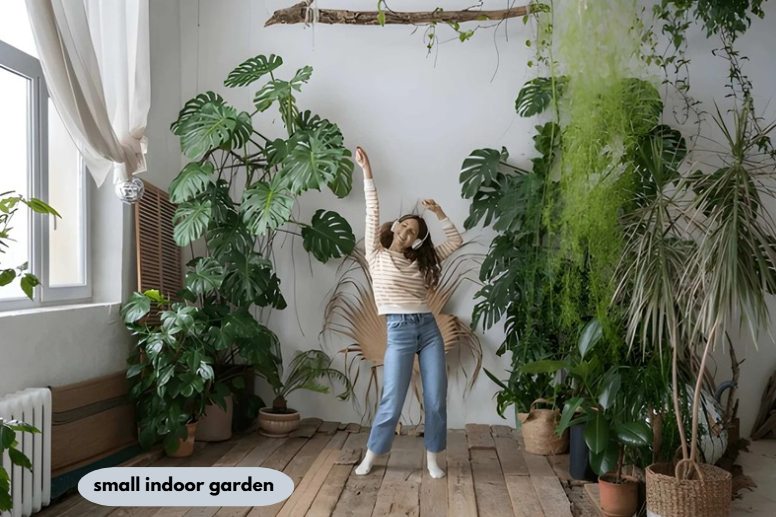
Yes, herbs like basil, mint, chives, and parsley can be grown indoors year-round as long as they get at least six hours of light near a south-facing window or under a grow light.
Mint in particular grows so vigorously that most experienced gardeners actually recommend keeping it contained in its own pot, since it will take over a shared bed given the chance.
How to Design a Simple Garden Layout
Sunlight and Plant Height Rules
A beginner garden layout should group plants by sunlight needs and water requirements first, then account for mature plant size so taller crops don’t shade out shorter ones.
This is really where most first-time gardens go wrong. People plant based on what looks nice on the seed packet rather than how tall or wide something will actually get by August. A basic rule that works well is placing taller plants like tomatoes or sunflowers on the north side of the bed so they don’t block the sun from lower-growing crops. Anyone researching how to design a garden layout kdagardenation will discover that most spacing issues are resolved by making this one change before they even arise.
Choosing the Best Bed Shape
Rectangular raised beds around four feet wide are considered the most efficient shape for small yards because that width lets you reach the center from either side without stepping on the soil.
| Garden Type | Best For | Maintenance Level | Startup Cost |
| Containers | Balconies, patios, renters | Low | Low |
| Raised beds | Small to medium yards, poor native soil | Medium | Medium |
| In-ground beds | Large yards with good existing soil | Medium to High | Low |
Spacing Rules to Prevent Disease
Most beginner vegetables need 12 to 18 inches between plants, though spacing varies by species and should follow the specific guidance on each seed packet.
Crowding is one of the most common beginner errors. Plants set too close compete for water, nutrients, and airflow, which increases the risk of fungal disease. Loosely following Garden Layout Planning KDArchitects principles used by professional landscapers, meaning grouping by height, spacing generously, and leaving walking paths, translates surprisingly well to a backyard vegetable bed even without formal design training.
Low-Maintenance Gardening Tips That Save Time and Money
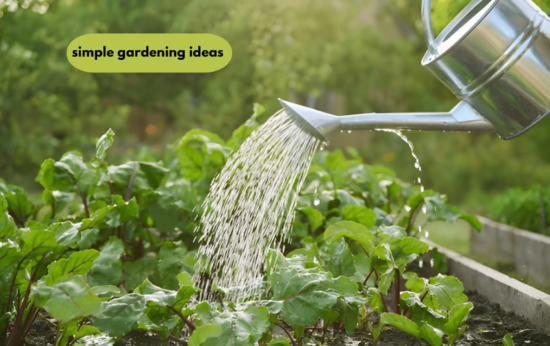
Mastering the Water Test
Most beginner gardens need about one inch of water per week, whether from rainfall or manual watering, according to general guidance from the U.S. Department of Agriculture’s extension programs.
Instead of watering according to a set schedule, use your finger to inspect the soil approximately two inches down. It’s time to water if it’s dry at that depth. If it’s still moist, wait another day. This single habit prevents the two most common killers of beginner gardens, which are underwatering and overwatering.
Budget Gardening: Seeds vs. Transplants
The cheapest way to start a garden is growing from seed rather than buying established seedlings, since a seed packet costing a few dollars can produce dozens of plants.
Starting from seed does take patience, but the cost difference is significant.A single tomato seedling at a nursery often costs $4 to $5, while a seed packet containing 30 or more seeds costs roughly the same.
The Power of Mulching
Mulching around plants is the single most effective way to reduce garden maintenance because it suppresses weeds and retains soil moisture.
A two- to three-inch layer of mulch, whether straw, shredded bark, or compost, cuts down on watering frequency and weeding time dramatically. In my first summer bed, adding a three-inch layer of straw cut my watering routine from every single afternoon to just twice a week, while almost entirely eliminating the morning weeding session.
Common Beginner Gardening Mistakes to Avoid
Why do beginner gardens fail?
Beginner garden failures almost always stem from three preventable mistakes:
- Overcrowding: Planting too close together restricts airflow and encourages fungal diseases.
- Inconsistent Watering: Root systems are stressed by alternating cycles of extreme drought and intense flooding.
- Inadequate Sunlight: Placing sun-loving crops in spots that get less than 6 hours of direct light daily.
Most vegetables need six or more hours of direct sun daily, and even shade-tolerant leafy greens still need a few hours to grow well. Before planting anything, it’s worth tracking sunlight in your intended spot for a full day to see how much direct light it actually gets.
Is it bad to overwater plants?
Yes, overwatering is actually more harmful than underwatering for most beginner plants because soggy roots can’t absorb oxygen and become prone to root rot.
Frequently Asked Questions
Do I need good soil to start gardening?
Not necessarily, since raised beds and containers let you fill them with quality potting mix regardless of what your native soil looks like.
What’s the best time of year to start a garden?
Spring after the last frost date in your area is generally the safest time to start a garden, though this varies significantly by region across the U.S.
Can I garden if I only have a balcony?
Yes, a balcony that gets at least four to six hours of sunlight can support container-grown herbs, lettuce, peppers, and even dwarf tomato varieties.
Final Thoughts
Neither a large budget nor a green thumb is needed for any of this. The best simple gardening ideas come down to picking one or two plants that are genuinely hard to kill, giving them the right amount of light and water, and resisting the urge to plant your entire yard on day one. Gardens that start small and grow season by season almost always outlast the ones that start big and burn out their owner by midsummer.
Ready to start your first bed? Follow this simple sequence:
- Pick one sunny spot that receives at least 6 hours of daily sunlight.
- Select a single container or 4×4 raised bed and fill it with quality potting mix.
- Choose 2 forgiving crops (like cherry tomatoes and basil) and get them planted this week.