
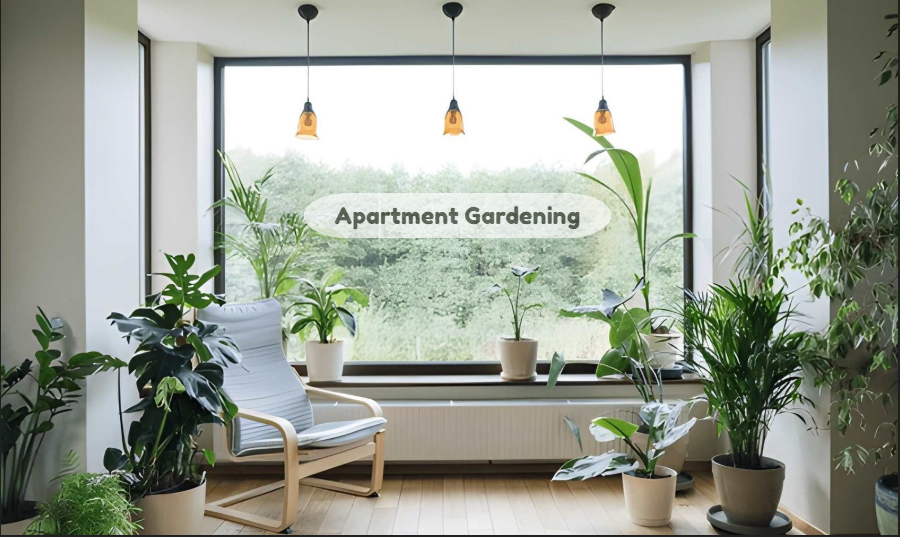
Apartment gardening is the practice of growing plants, vegetables, herbs, and flowers inside or on the limited outdoor surfaces of a residential apartment — including windowsills, balconies, and vertical walls — using containers, hydroponic systems, and space-efficient growing techniques suited to urban living conditions.
I’ve been helping people set up indoor and balcony gardens since around 2019, and the question I hear most often is whether apartment gardening is even worth trying without a yard. It absolutely is—and the results people get in 200 square feet regularly surprise them. What makes it work is understanding that plants don’t need soil in the ground. They need light, water, nutrients, and the right container. Full stop.
Best Apartment Gardening Ideas for Small Spaces
What plants grow best in an apartment with limited light?
Pothos, snake plants, ZZ plants, and peace lilies thrive in low-light conditions and are nearly impossible to kill, making them the go-to starting plants for new apartment gardeners.
Beyond those staples, your window direction quietly determines everything:
- South- or west-facing windowsills support cherry tomatoes, lettuce, spinach, and compact peppers through a full growing season
- North-facing windowsills still work beautifully for mint and chives with almost no direct sun needed
- Leafy greens ranked as the top performer in Reddit’s r/IndoorGarden community back in 2022, simply because their short root zone fits shallow containers perfectly
- Microgreens grow on any kitchen counter, hit harvest size in 7 to 14 days, cost less than a grocery store salad bag to start, and are genuinely the fastest win in apartment gardening
How do vertical gardens work in a small apartment?
A vertical garden uses wall-mounted planters, pocket organizers, pegboards, or tiered shelf systems to stack plants upward rather than outward, multiplying your growing surface without taking any floor space.
A simple IKEA Hyllis shelf with grow lights mounted underneath turns a dead corner into a productive growing tower. I’ve seen people in Brooklyn studios fit 20 herb varieties this way. Magnetic planters on steel panels work beautifully in rental kitchens because they require no drilling. For renters worried about walls, a freestanding trellis system or ladder shelf achieves the same effect. The key measurement to keep in mind is that most herbs need between 6 and 12 inches of vertical clearance between shelves to grow without crowding.
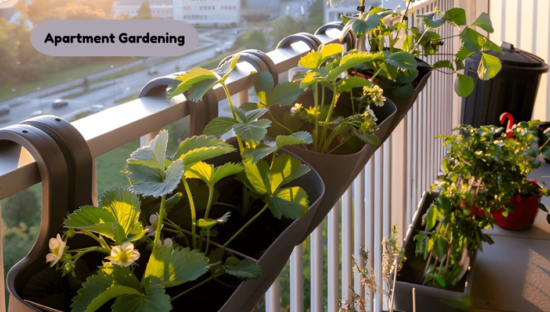
Can you grow vegetables in apartment containers on a balcony?
Yes—tomatoes, cucumbers, beans, peppers, and squash all produce real harvests in containers as small as 5 gallons when placed on a balcony that receives at least 6 hours of direct sunlight daily.
The container size is the variable most people get wrong. A cherry tomato plant needs a minimum 5-gallon pot. A full-size tomato needs 10 to 15 gallons. Under-potting is the single biggest reason balcony vegetable gardens disappoint. A good potting mix with perlite added for drainage, combined with a slow-release granular fertilizer, keeps plants fed through the whole growing season without constant attention.
Modern Small Garden Ideas on a Budget
How do you build a small garden without spending a lot of money?
You can start an effective small garden for under $50 by repurposing food containers as planters, using free seeds from community seed libraries, and mixing your own potting soil from bulk ingredients at a garden center.
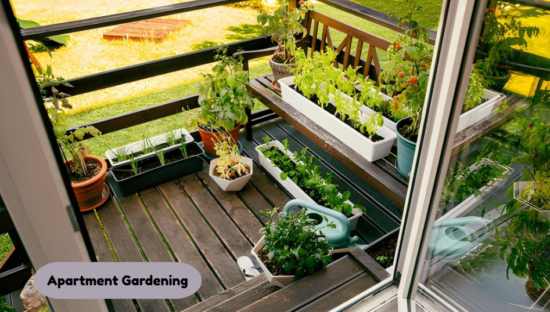
The honest truth is that Modern Small Garden Ideas On Budget are everywhere, but the highest ROI move is repurposing. Five-gallon buckets from restaurant supply stores cost around $2 each. Wooden crates from produce markets work as raised planters with a little landscape fabric lining.
In 2023, a Bankrate study on hobby spending found that gardening had one of the lowest average startup costs of any home hobby when people used second-hand containers—often under $40 to get started. That is consistent with what I have observed in practice.
Buying seeds instead of seedlings saves 60 to 80 percent of plant costs over a season. Seed Savers Exchange and Baker Creek Heirloom Seeds are two platforms where you can get a wide variety pack without paying nursery markups.
How Much Does a Gardener Cost for Small Space Help?
Is hiring a professional gardener worth it for an apartment garden?
Generally no, unless you are installing complex hydroponic or lighting systems; however, a professional consultation typically costs $50 to $150 per hour, with ongoing monthly maintenance averaging $75 to $200.
How much does a gardener cost in a city like New York or Los Angeles specifically? Expect the higher end of that range. In smaller metros, $60 to $90 per hour is more common. The value is most obvious when you’re setting up a complex system—hydroponics, grow light scheduling, irrigation timers—rather than just potting a few herbs.
For straightforward setups, a one-time consultation plus a solid YouTube tutorial subscription (Epic Gardening is genuinely excellent and free) covers most of what you’d pay ongoing fees for.
How to Design a Garden Layout for Your Apartment
How do you plan a garden layout for a small balcony or indoor space?
Start by mapping your light zones—note which walls and surfaces get direct sun, indirect light, or shade at different times of day—then assign plant categories to each zone based on their light requirements before purchasing a single container.
The approach behind how to design a garden layout kdagardenation promotes — working from light first, then space, then plant selection—it is the method professional landscape designers use at any scale. Most people do it backwards: they buy plants they love, then struggle to find a spot that keeps them alive.
Sketch your apartment on graph paper or use a free tool like RoomSketcher to block out your zones. South-facing areas get the fruiting plants. East-facing spots work for herbs. North-facing areas go to ferns, pothos, and peace lilies.
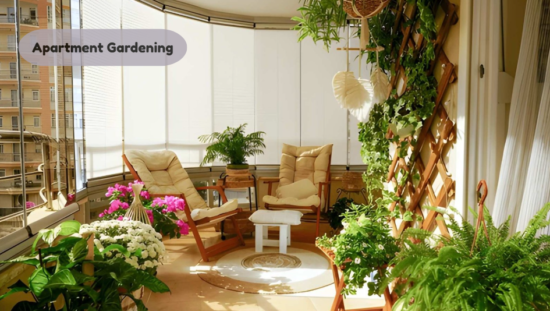
Think in layers too. Ground level is for large containers. Mid-height shelves carry medium plants. Eye level and above is where trailing plants and grow light setups live. Three layers in a 4-foot by 6-foot balcony space can realistically house 25 to 35 plants.
Landscape and Design Principles That Apply to Tiny Spaces
What landscape design ideas can apartment dwellers actually use?
Scale-appropriate design principles — like repetition of container materials, a consistent color palette for pots, and strategic use of mirrors or reflective surfaces — make an apartment garden feel intentional and curated rather than cluttered.
The kdarchitects landscape ideas from morph methodology translate surprisingly well to small indoor spaces. The core principle is visual rhythm: when containers share a material—all terracotta, all white ceramic, or all dark matte—the eye reads the collection as a cohesive unit rather than visual noise. That single change makes a six-plant windowsill look like a designed vignette rather than an afterthought.
Mirrors placed opposite a bright window effectively double your apparent light and make the space feel twice as large. This is a trick borrowed from restaurant and retail design, and it genuinely works at an apartment scale.
Getting Started with the KDAGardenation Method
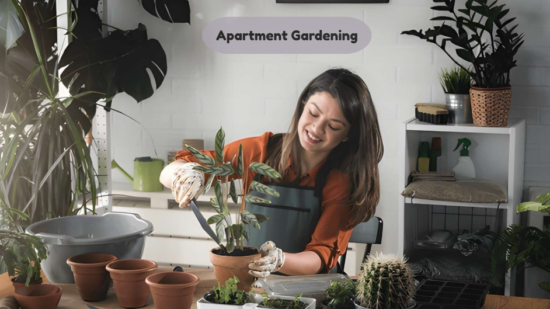
What is the best beginner system for apartment gardening?
The most effective beginner system combines three things: a south-facing or grow-light setup, a self-watering container for forgiving watering schedules, and a starter plant list of no more than five species until you understand your specific microclimate.
The KDAGardenation Guide is structured around exactly this starter principle—fewer plants managed well beat a large collection managed poorly every time.
Overwatering kills more apartment plants than underwatering, underlit spaces, or anything else. Self-watering containers with bottom reservoirs are genuinely the best tool a beginner can invest in because they regulate moisture at the root level and remove the most common point of failure entirely.
Apartment Gardening: Quick Comparison of Popular Growing Methods
| Method | Best For | Space Required | Avg. Startup Cost | Difficulty |
| Windowsill containers | Herbs, microgreens | Minimal | $15–$40 | Easy |
| Vertical wall planters | Herbs, trailing plants | Low | $30–$120 | Easy–Moderate |
| Balcony container garden | Vegetables, flowers | Moderate | $50–$200 | Moderate |
| Indoor hydroponic system | Lettuce, herbs | Low–Moderate | $80–$350 | Moderate |
| Grow tent setup | Year-round vegetables | Moderate | $150–$500 | Advanced |
Frequently Asked Questions About Apartment Gardening
Can I grow tomatoes in an apartment without a balcony? Yes—compact determinate varieties like Tumbling Tom or Tiny Tim produce fruit under a 600-lumen grow light placed 6 to 12 inches above the plant.
Do I need special soil for container gardening? Standard potting mix with added perlite works well; avoid garden soil entirely in containers because it compacts and cuts off root oxygen.
How often should I water apartment plants? Check the top inch of soil—water when it’s dry to the touch, which is typically every 2 to 5 days depending on pot size, plant type, and ambient humidity.
What is the cheapest way to start apartment gardening? Seed packets, recycled containers, and a bag of potting mix from a hardware store get you started for under $25.
The Honest Conclusion: Start Small, Stay Consistent
Apartment gardening rewards patience far more than it rewards budget. The people I’ve watched build genuinely beautiful, productive indoor gardens—including several who document their progress on Instagram and have grown real communities around their spaces—almost all started with one shelf, five plants, and a grow light they bought for $35 on Amazon. They learned their light, fixed their watering habits, and expanded from there.
The most useful next step you can take today isn’t buying more supplies. It’s walking through your apartment right now with your phone and filming how the light moves across each surface from morning to afternoon. That 10-minute exercise will tell you more about what your space can support than any article will.
Start there. Then come back and pick your first five plants.

One thought on “Apartment Gardening Ideas: How to Grow More Plants in Small Spaces ”