A kitchen garden is a small, food-producing plot near the home used to grow vegetables, herbs, and fruit for daily cooking. Starting one requires picking a sunny site, building or clearing a bed, and planting crops suited to the local climate zone.
Learning how to start a kitchen garden at home begins with choosing a location that gets at least six hours of direct sun, building or marking out a bed, and planting crops matched to the local USDA hardiness zone.
Key Takeaways
- A kitchen garden is a compact food-growing space, typically 16–200 square feet, located near the kitchen for easy harvesting.
- A basic 4×8-foot raised bed costs $150–$450 to build, depending on US region.
- The NGA’s classic benchmark — $70 in supplies returning $600 in produce — measures a per-season ROI, not the $108 average annual household spend reported for 2025. The two figures cover different scopes.
- Vegetable gardening participation reached 33% of US households (44 million) in 2025, per the NGA’s 2026 survey.
- The most common first-year mistake is overcrowding plants in too little sun, not poor soil.
What Is a Kitchen Garden?
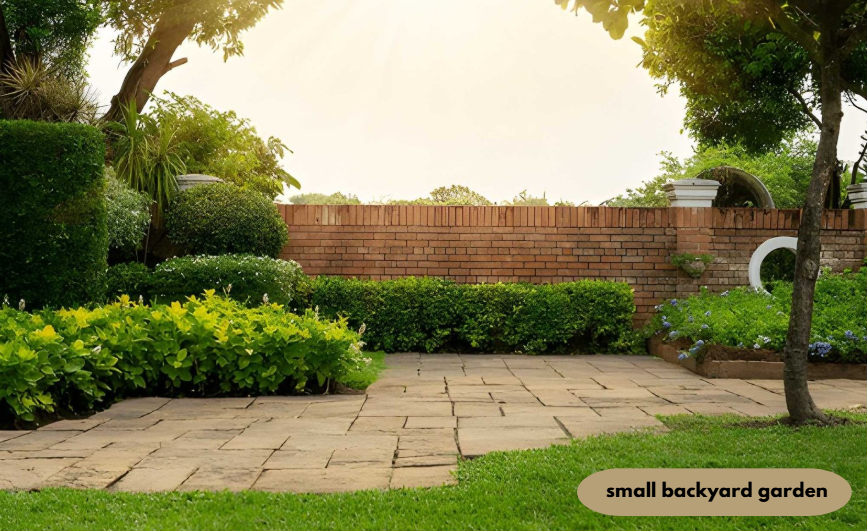
A kitchen garden is a small, dedicated growing space — a raised bed, in-ground plot, or container cluster — planted with vegetables, herbs, and edible flowers for regular household use. Unlike an ornamental garden, every plant is chosen for the table. Traditional kitchen gardens sit close to the kitchen door, which keeps harvesting quick rather than a weekend chore.
How Much Does It Cost to Start a Kitchen Garden?
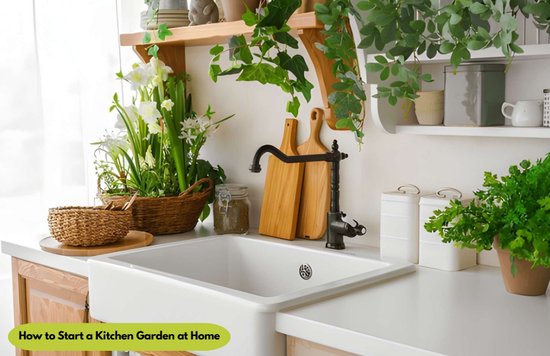
What does a 4×8 raised bed cost by US region?
A standard 4×8-foot cedar raised bed, filled with soil and compost, costs between $150 and $450, with the Northeast and West Coast running highest and the Midwest and South lowest. Lumber, soil, and delivery fees drive most of the gap; seed costs vary far less by region.
This table is an original cost model based on typical 2026 retail pricing for lumber, soil, compost, and a 10-crop starter set for one 32-square-foot bed.
| US Region | Cedar Lumber | Soil + Compost | Seeds/Seedlings | Estimated Startup Cost |
| Northeast | $95–$140 | $110–$160 | $45–$65 | $250–$365 |
| South | $70–$100 | $85–$120 | $35–$55 | $190–$275 |
| Midwest | $65–$95 | $80–$115 | $35–$55 | $180–$265 |
| West Coast | $100–$150 | $115–$170 | $50–$70 | $265–$390 |
A well-tended bed of high-yield crops (tomatoes, peppers, zucchini, and greens) typically produces $250–$450 in grocery-equivalent value its first season.
How does DIY gardening cost compare to buying produce?
A DIY kitchen garden generally pays back its startup cost within one to two seasons, after which annual costs drop to seeds, compost, and water. The National Gardening Association’s often-cited benchmark found a $70 seasonal supply investment returning about $600 in produce value—a per-season ROI figure, not an annual budget figure.
That differs from the NGA’s 2026 survey finding that vegetable-gardening households spent an average of $108 on gardening in 2025, up from $85 in 2024 — a broad annual average across all supply categories, not a controlled input-to-yield ratio. Treating the two figures as interchangeable overstates or understates real ROI.
How to Choose the Best Spot for a Kitchen Garden
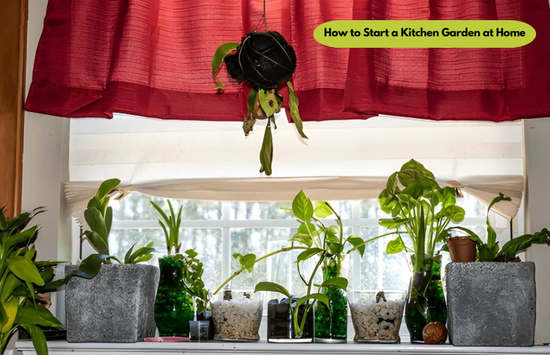
Pick a location that gets at least six hours of direct sunlight, sits within 25 feet of a water source, and drains without pooling after rain. Morning sun with light afternoon shade works best in the South and Southwest, where summer heat stresses leafy crops.
- Watch the yard for a full day before committing; shade patterns shift by season.
- Avoid low spots where water pools — root rot follows within days.
- Keep the bed near the kitchen door; distance is the top reason gardens go unharvested.
How to Design a Kitchen Garden Layout
Many first-time growers search for how to design a garden layout kdagardenation before ever building a bed, since layout mistakes are harder to fix later than planting mistakes.
What is the easiest layout for a first-time kitchen garden?
A single 4×8-foot raised bed divided into a 2-foot grid is the easiest layout for a first kitchen garden, since it limits scope while still fitting 8–12 crops. This square-foot method prevents the overcrowding that causes most first-season failures.
Designers who plan larger kitchen gardens, including the layout consultants at KDArchitects Garden Design, typically split a plot into three zones: a perennial herb border, a rotating vegetable block, and a pollinator strip.
Step-by-Step: How to Start a Kitchen Garden at Home
- Choose the site. at least six hours of sunlight and enough drainage.
- Test the soil. A home kit or extension office test reveals pH and nutrient gaps in under a week.
- Build or mark the bed. A 4×8-foot raised bed is standard; in-ground beds work if soil is already good.
- Fill with soil and compost. Use a 60/40 mix for most vegetables.
- Select crops for the hardiness zone. Match planting dates to the local USDA zone.
- Plant in a grid, not rows. Square-foot spacing cuts weeding and raises yield.
- Water consistently. Most beds need 1–1.5 inches weekly, delivered slowly.
- Harvest continuously. Regular picking signals plants to keep producing.
Modern Small Garden Ideas on a Budget
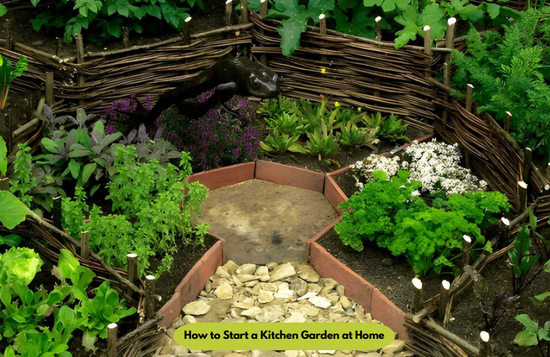
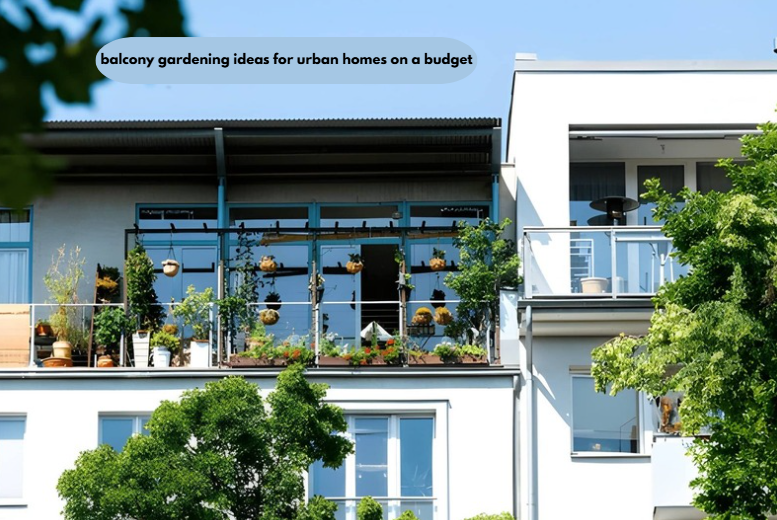
These modern small garden ideas on a budget rely on container clusters, vertical trellising, and repurposed raised beds, which let renters and small-lot homeowners grow a full kitchen garden for under $150. Renters who garden now outpurchase homeowners in vegetable seeds nationally—43.5% versus 36.6%—a sign that container-driven growing has become the default entry point.
- Stack three 5-gallon buckets with drainage holes for a vertical herb tower under $30.
- Use a half whiskey barrel for salad greens and dwarf tomatoes.
- Trellis cucumbers and pole beans to double growing space in under 10 square feet.
- Reuse cinder blocks as a bed frame; the cavities double as planting pockets.
Easy Gardening Tips for Beginners With No Experience
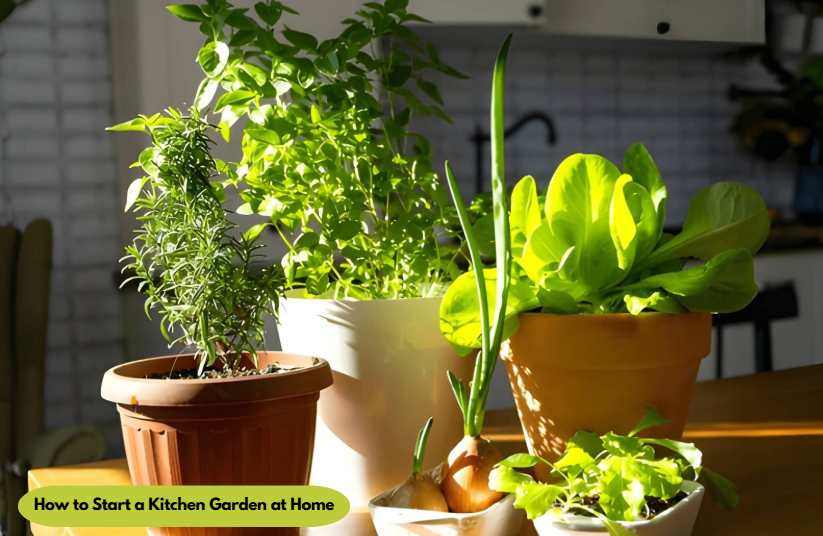
These easy gardening tips for beginners with no experience start with five reliable crops — lettuce, bush beans, cherry tomatoes, zucchini, and basil — since all five tolerate minor watering or timing mistakes without failing outright. Beginners who start with 15+ varieties in year one report the highest abandonment rates.
- Water mornings, not evenings, to cut fungal disease risk.
- Mulch with straw or shredded leaves to cut watering frequency roughly in half.
- Label every row; unlabeled seedlings are the top reason beginners pull the wrong plant.
Common Mistakes First-Time Kitchen Gardeners Make
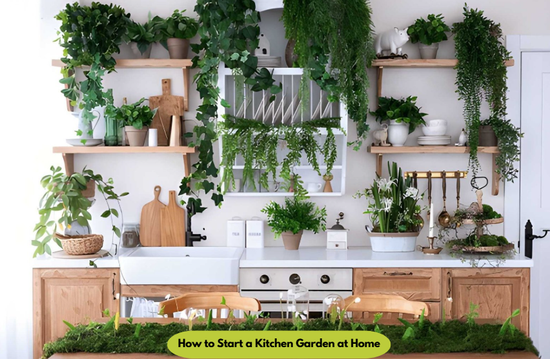
The most common first-season mistake is overcrowding plants in too little sunlight, which produces leggy, low-yield growth even in good soil. Overwatering ranks second, since new gardeners often treat container plants like houseplants instead of checking soil moisture first.
This rule doesn’t apply uniformly. Leafy greens tolerate partial shade and close spacing far better than fruiting crops like tomatoes and peppers, which need full sun and 18–24 inches of clearance.
Best Kitchen Garden Crops by US Region
| Region | USDA Zones (typical) | Strong First-Season Crops | Planting Window |
| Northeast | 5–7 | Lettuce, peas, kale, bush beans | Mid-May to early June |
| South | 8–10 | Okra, peppers, sweet potatoes, collards | March to April |
| Midwest | 4–6 | Tomatoes, zucchini, cucumbers, beans | Late May |
| West Coast | 8–10 | Herbs, tomatoes, salad greens, peppers | March to May |
Frequently Asked Questions
How much space do I need for a kitchen garden?
A kitchen garden can be productive on as little as 16 square feet—a single 4×4 raised bed—enough to supply regular herbs and salad greens for two people.
What is the cheapest way to start a kitchen garden?
Direct-sowing seeds into an in-ground bed amended with compost costs $30–$60 total, avoiding both raised-bed lumber and nursery seedling prices.
How long does it take to start seeing results?
Fast crops like lettuce and radishes are harvestable in 25–35 days, while tomatoes and peppers typically take 60–85 days from transplant to first harvest.
Do I need a raised bed, or can I plant directly in the ground?
In-ground planting works as well as a raised bed when existing soil drains properly and tests near neutral pH; a raised bed mainly fixes poor drainage, contaminated soil, or limited mobility.
How much sunlight does a kitchen garden need?
Most vegetable and herb crops need six to eight hours of direct sunlight daily to produce a full harvest. Leafy greens tolerate four to six hours.
Can I start a kitchen garden in a container instead of a bed?
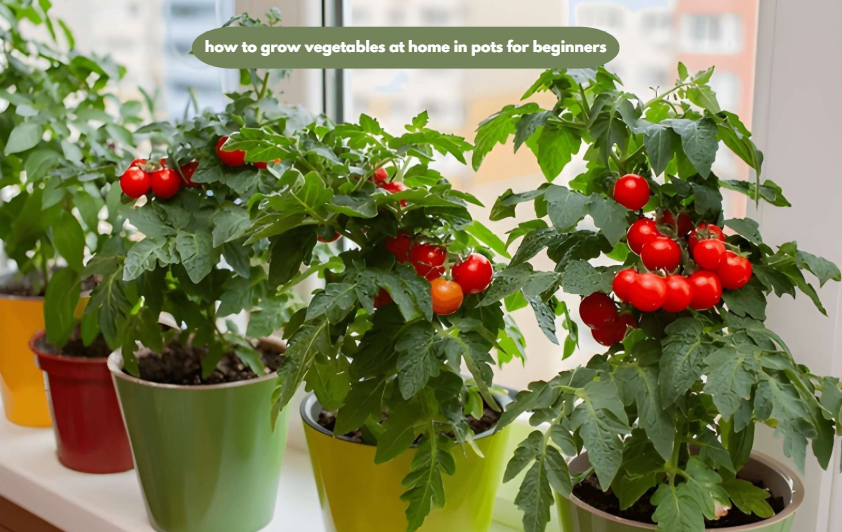
Yes—containers with drainage holes and at least 12 inches of depth support most herbs, salad greens, and dwarf vegetable varieties without a dedicated bed. Renters and small-lot households now outpurchase homeowners in vegetable and herb seeds nationally.
Conclusion
Knowing how to start a kitchen garden at home comes down to three decisions: a sun-drenched site, a bed sized to actual cooking needs, and crops matched to the local hardiness zone. A basic 4×8 raised bed costs $150–$450 depending on US region, and most beginner gardens return that investment in grocery-equivalent produce within one to two seasons. Gardeners who succeed long-term start small, plant fewer varieties than they’re tempted to, and expand only after the first season proves out.