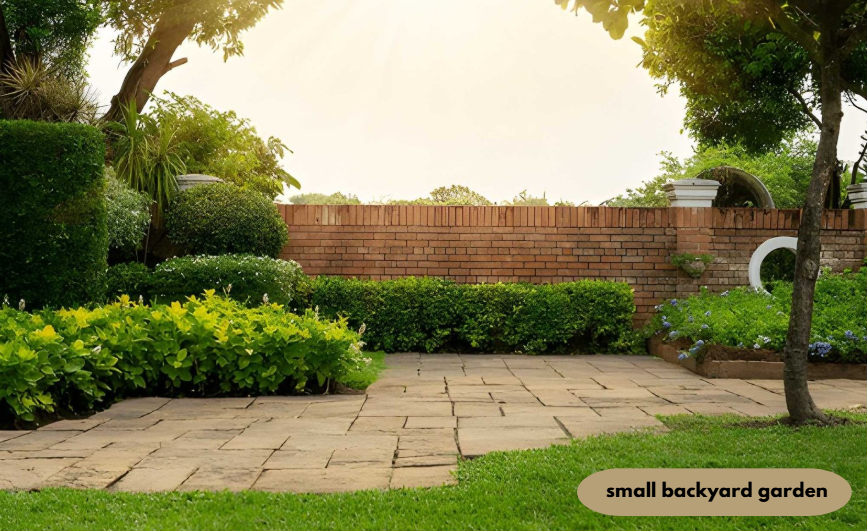
A small backyard garden is a 50 to 200-square-foot food-growing plot built using raised beds, in-ground rows, or containers. Startup cost ranges from $300 to $1,200 depending on bed type, and payback against grocery savings takes one to four growing seasons.
A small backyard garden works best when bed type matches budget, sun exposure, and regional growing seasons. Skipping these checks before building usually means paying more and harvesting less than expected.
Key Takeaways
- Startup cost runs $300–$1,200, depending on in-ground, raised bed, or container build.
- In-ground beds pay for themselves in under two seasons; raised beds take three to four.
- Six-plus hours of direct sun is the biggest factor separating productive gardens from weak ones.
- Southern and Western regions add extra harvest cycles per year versus the Northeast and Upper Midwest.
- Correct soil prep and spacing prevent most early-season failures.
What Is a Small Backyard Garden?
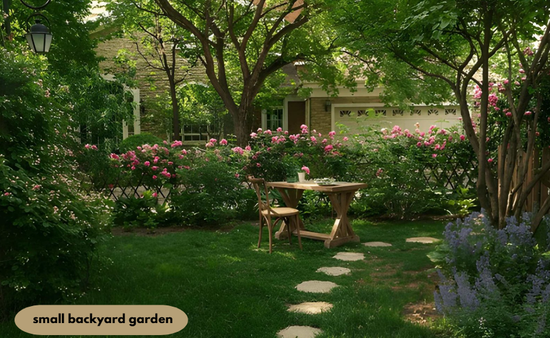
A small backyard garden is a residential food-growing area, typically 50 to 200 square feet, planted with vegetables, herbs, or fruit in raised beds, in-ground rows, or containers. It differs from a full homestead plot in scale, not technique.
How Much Does a Small Backyard Garden Cost in 2026?
Raised Bed vs. In-Ground vs. Container Costs
A small 100-square-foot backyard garden costs $250 to $1,200 to start. In-ground beds cost the least to start at roughly $3 per square foot, while raised beds cost $8–$12 per square foot and containers fall in between at $5–$8. These figures cover soil amendments, lumber or containers, and basic tools but exclude fencing or irrigation upgrades.
| Garden Type | Startup Cost (100 sq ft) | Cost per Sq Ft | Best For |
| In-ground bed | $250–$350 | ~$3 | Flat yards with decent native soil |
| Container garden | $500–$800 | $5–$8 | Patios, poor soil, renters |
| Raised bed | $800–$1,200 | $8–$12 | Poor drainage, bad backs, tidy layouts |
Additional Startup Costs: Tools & Essentials
Basic gardening tools add $75 to $150 to your initial setup budget, regardless of bed type. This covers a hand trowel, sturdy gloves, a hose, and starter fertilizer. To see a full breakdown of long-term equipment, soil, and maintenance expenses, check out our complete guide on How Much Does Gardening Cost?
How Long Until a Garden Pays for Itself
A 100-square-foot garden yields roughly $250 in annual grocery savings, allowing in-ground plots to break even in under 1.5 seasons and raised beds in 3 to 4 seasons.
Data on Grocery Savings and Payback (100 Sq Ft Plot)
- Estimated Annual Produce Value: $250 / year (scaled down from national survey baselines).
- In-Ground Bed Payback: 1 to 1.5 growing seasons (based on $250–$350 initial build cost).
- Raised Bed Payback: 3 to 4 growing seasons (based on $800–$1,200 initial build cost).
Source Data & Methodology
- Produce Savings Metric: A 2024 gardener recall survey reported average self-reported grocery savings of $875 per year across full-sized home plots ($250 normalized equivalent for 100 sq ft).
- Expense Baseline Metric: Frontdoor’s 2025 survey of 1,000 U.S. gardeners reported an average annual seasonal expenditure of $750 on a 350-square-foot plot.
- Note on Data Comparison: Money spent (Frontdoor 2025) and money saved (2024 recall survey) are distinct metrics from separate sources and are evaluated independently rather than netted against one another.
Regional Cost and Timeline Differences Across the U.S.
Why Growing Season Length Changes the Math
Growing season length, not just climate, determines how many harvest cycles a garden completes each year — and that changes the payback timeline. A longer season means more crop rotations from the same startup cost.
| Region (USDA Zone) | Frost-Free Season | Typical Harvest Cycles/Year |
| Northeast / Upper Midwest (Zones 4–5) | 4–5 months | 1–2 |
| Mid-Atlantic / Central Plains (Zones 6–7) | 6–7 months | 2 |
| South / Gulf Coast (Zones 8–9) | 8–11 months | 2–3 |
| Southwest / West Coast (Zones 9–10) | Near year-round | 3+ |
A Zone 9 gardener can often plant a second round of fast-maturing crops like lettuce or bush beans, doubling produce value without doubling startup cost. A Zone 5 gardener working within a five-month window gets one main harvest cycle, stretching raised-bed payback closer to four seasons.
How to Design a Small Garden Layout
Mapping Sun Exposure First
Learning how to design a garden layout kdagardenation starts with tracking direct sunlight across the yard for a full day before placing a single bed. Most fruiting vegetables need six to eight hours of unobstructed sun; leafy greens tolerate four.
The Most Common Layout Mistake Beginners Make
The most common garden layout mistake is placing beds in areas receiving fewer than six hours of direct daily sunlight, cutting fruit yields in half.
This single error accounts for more disappointing first-year harvests than poor soil or watering combined, based on patterns reported by Cooperative Extension horticulture programs.
Beds against a north-facing fence or under a tree canopy often look only partly shaded, but the missing hours compound over a season. Reorienting beds along an east-west axis, or moving them ten feet from the shade line, usually fixes it without a rebuild.
Designing Garden Beds for Beginners
Raised Bed Depth and Soil Mix
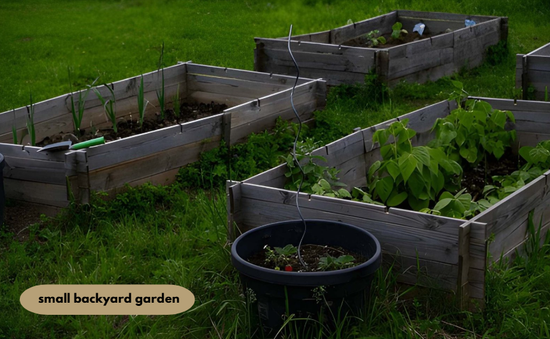
Standard raised beds should be 8 to 12 inches deep and filled with a balanced mixture of 50% topsoil, 30% compost, and 20% organic manure.
Shallow-rooted crops like spinach and lettuce require an 8-inch bed depth, while root vegetables like carrots and parsnips need at least 12 inches of loose soil mix to grow straight.
Following proven guidelines for designing garden beds kdagardenation-style prevents root restriction and ensures long-term drainage.
Spacing and Companion Planting
Correct spacing prevents the overcrowding that causes disease and stunted growth, and pairing compatible crops like tomatoes with basil improves airflow. Seed-packet spacing reflects a plant’s mature size, not its transplant size—beginners routinely plant too close.
Proper Gardening Techniques That Prevent Early Failure
Watering Correctly
Vegetable gardens require roughly one inch of water per week, applied directly at the soil level to prevent fungal disease.
Watering at the roots instead of overhead keeps root systems from growing shallow and helps avoid leaf spots. A soaker hose spreads moisture more evenly than a sprinkler and can cut water waste by up to a third.
Mulching and Weed Control
A two- to three-inch mulch layer suppresses weeds, holds soil moisture, and cuts watering frequency by roughly a third. Straw, shredded leaves, and wood chips are the cheapest options for a cheap garden that still performs well.
Cheap Garden Ideas to Cut Startup Costs
- Start in-ground instead of raised beds — the lowest cost per square foot.
- Use free compost from a municipal yard-waste program.
- Start seeds indoors instead of buying transplants; cuts per-plant cost by half.
- Reclaim scrap lumber or cinder blocks for bed frames.
- Use a soaker hose instead of a full sprinkler system in year one.
Turning a Vegetable Patch Into Outdoor Living Space
Placing vegetable beds near seating areas, gravel paths, or patios turns a purely functional garden into a space you actually want to spend time in. Blending food production with the rest of your landscaping also makes it easier to keep an eye on your plants, since you’re walking past them daily anyway.
Many homeowners fold small garden plots into a broader outdoor living kdagardenation plan so the space serves both practical harvest needs and household recreation.
Frequently Asked Questions
How much space do I need for a small backyard garden?
A workable starter garden fits in as little as 50 to 100 square feet, roughly a two-car parking space. That footprint supports vegetables, herbs, and a couple of taller crops without overwhelming a beginner’s time.
What is the cheapest way to start a garden?
The cheapest way to start a garden is using in-ground beds with amended native soil, costing roughly $3 per square foot compared to $12 for raised beds. Skipping lumber and starting from seed instead of transplants lowers costs further.
How much sun does a small backyard garden need?
Fruiting vegetables like tomatoes and peppers need six to eight hours of direct sun daily, while leafy greens can produce with as little as four. Tracking sun exposure for a full day before placing beds prevents the most common layout mistake.
Can I start a garden with bad soil?
Yes—poor native soil can be improved with compost over one to two seasons or bypassed with a raised bed or containers filled with purchased soil mix. Raised beds cost more upfront but remove soil quality as a first-year variable.
How long does it take for a garden to pay for itself?
In-ground gardens usually pay for themselves within one to one and a half seasons, while raised beds take three to four seasons to offset their higher upfront cost. How fast you break even also depends on your region’s growing season, since more harvest cycles mean more produce value adding up.
What vegetables are easiest for beginners?
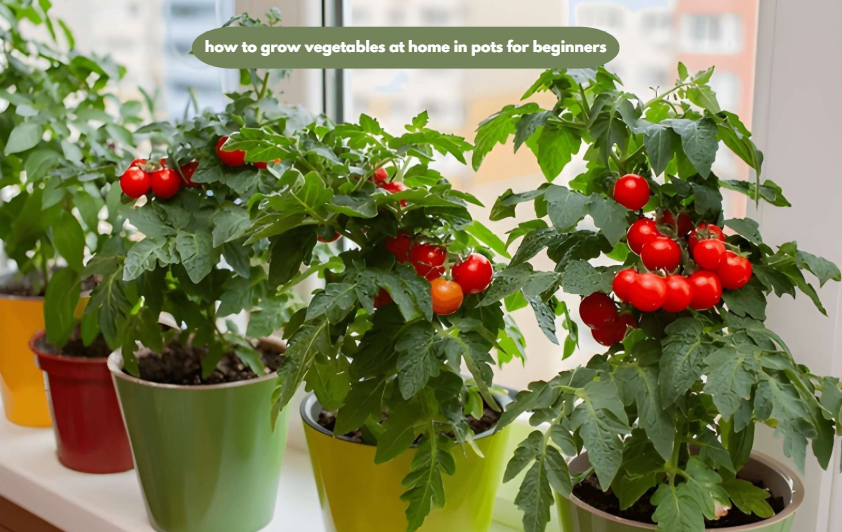
Lettuce, bush beans, zucchini, and cherry tomatoes are the most forgiving crops for beginners because they tolerate minor spacing or watering mistakes. They also mature quickly, building confidence before tackling slower crops.
Conclusion
A small backyard garden pays off fastest when bed type matches budget and layout accounts for real sun exposure. In-ground beds recover cost in about a season; raised beds take three to four, and regional season length shifts that timeline further either way. Getting sun mapping and soil prep right before building solves more first-year problems than any tool purchase.