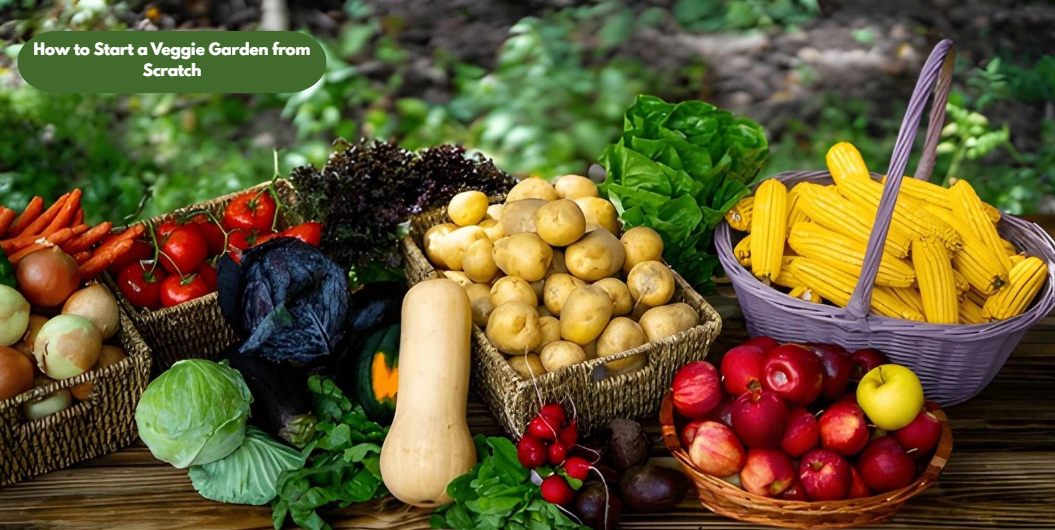
Starting a veggie garden from scratch means choosing a sunny location, testing and amending your soil, picking a simple layout, and planting beginner-friendly crops suited to your growing zone. Most first-time gardeners can get a productive plot going in a single weekend with basic tools and a modest budget.
What Do You Need to Start a Vegetable Garden?
What are the basic supplies needed for a beginner vegetable garden?
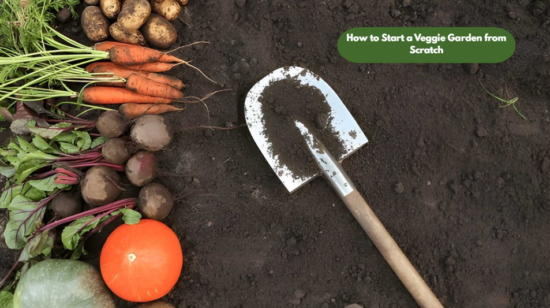
You need a spot with good sun, quality soil or compost, basic hand tools, seeds or starter plants, and a reliable water source.
That list sounds simple because it is. A lot of people overthink this step and buy gear they’ll never use. What actually matters is getting the fundamentals right before you spend money on extras.
Here are the essentials worth prioritizing.
- A trowel and hand fork will handle almost everything a small garden needs, so you don’t have to invest in a full tool shed on day one.
- Compost or aged manure gives your soil the organic matter it needs, and the USDA’s Natural Resources Conservation Service notes that healthy soil organic matter improves water infiltration and storage, directly affecting how well plants absorb nutrients
- A watering can or soaker hose keeps things simple until you know how much your garden actually needs.
- Seed packets or young seedlings from a local nursery get you growing faster than starting everything indoors.
- Garden gloves save your hands and make the whole process more comfortable, especially in the first few weeks.
How much does it cost to start a vegetable garden?
A basic beginner vegetable garden typically costs between $50 and $150 for tools, soil amendments, and seeds, depending on garden size and whether you build raised beds.
Your expenses remain on the lower end if you’re working with an established area of land. Raised beds push the number up because of lumber or kit prices, but they also tend to produce better yields for beginners since you control the soil quality from day one. This is exactly why so many people search for “ modern small garden ideas On budget “, and honestly, container gardening or a single 4×8 raised bed is usually the answer. You don’t need acres of space to get a real harvest.
How Do You Choose the Best Location for a Vegetable Garden?
How much sunlight does a vegetable garden need?
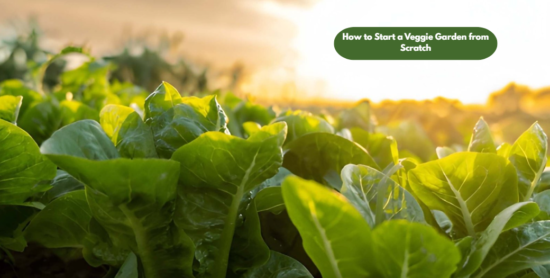
Most veggies require at least six to eight hours of direct sunshine every day to grow and yield effectively.
Leafy greens like lettuce and spinach can tolerate a bit less, but fruiting vegetables such as tomatoes, peppers, and squash are sunlight-hungry. Before you commit to a spot, spend a day watching how light moves across your yard. People are often surprised by how much shade a nearby fence or tree throws during peak afternoon hours.
Can you grow vegetables in a garden that only gets partial sun?
Yes, but stick to shade-tolerant crops like lettuce, kale, and herbs if your space gets four to six hours of sun instead of the ideal six to eight.
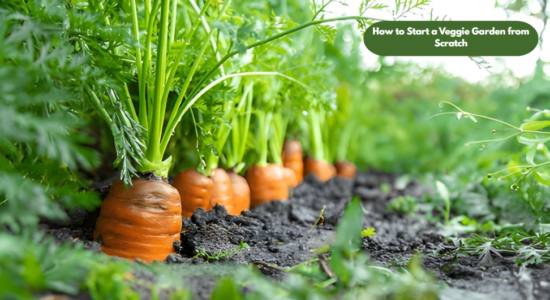
Partial sun isn’t a dealbreaker. It just narrows your plant choices. Root vegetables like carrots and beets also do reasonably well with slightly less light than tomatoes need.
How Do You Prepare Soil for a Vegetable Garden?
What is the best soil mix for a beginner vegetable garden?
A well-draining blend of topsoil, compost, and aged organic matter in roughly equal parts gives vegetables the nutrients and structure they need to establish strong roots.
Soil is genuinely where most new gardens succeed or fail. If you’re building raised beds, a mix of topsoil, compost, and a coarse material like perlite or vermiculite keeps drainage in check while still holding onto moisture. Skimping here to save money almost always shows up later as stunted growth or yellowing leaves.
How do you test garden soil before planting?
Home soil test kits, available at most garden centers, measure pH and basic nutrient levels within minutes and tell you whether your soil needs amending.
Most vegetables prefer a soil pH between 6.0 and 7.0, according to Cornell University’s Cooperative Extension guidance, which notes that a neutral range maximizes nutrient availability to most vegetable crops If your test comes back outside that range, garden lime raises pH and sulfur lowers it. This single step saves a lot of frustration down the line.
How Do You Design a Garden Layout for Beginners?
What is the easiest garden layout for a first-time gardener?
Raised beds or a simple grid-style row garden are the easiest layouts for beginners because they keep spacing consistent and make weeding and watering more manageable.
This is really the heart of designing garden beds kdagardenation well. When you’re first learning how to design a garden layout kdagardenation , resist the urge to make it complicated. A basic 4×8 raised bed divided into a simple grid gives you enough room for a solid variety of crops without becoming unmanageable. Square-foot gardening, a method popularized by Mel Bartholomew, breaks beds into one-foot sections so beginners can maximize space and plan spacing without guesswork.
How far apart should raised garden beds be spaced?
Leave at least 18 to 24 inches between raised beds so you have enough room to kneel, maneuver a wheelbarrow, and access all sides for weeding and harvesting.
Here’s a quick comparison to help you decide which structure fits your space and budget.
| Garden Type | Startup Cost | Best For | Maintenance Level |
| Raised Beds | Moderate ($100–$300) | Controlling soil quality, poor yard drainage | Low to moderate (Fewer weeds) |
| In-Ground Beds | Low ($20–$50) | Larger spaces, traditional farming plots | Moderate to high (More weeding) |
| Containers | Low to moderate ($30–$100) | Small yards, patios, balconies, renters | Low (Easy access) |
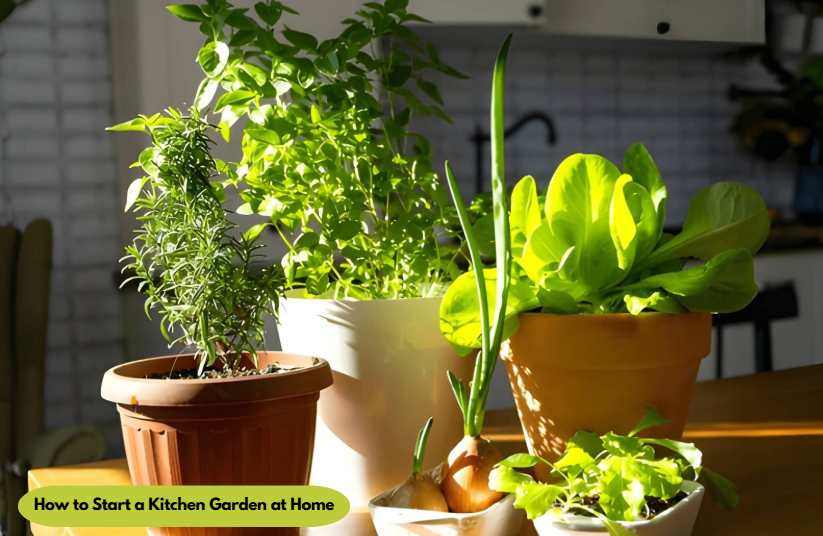
Containers deserve a mention here too, since they’re often the answer for anyone dealing with tight urban spaces or rental restrictions. This approach shows up constantly in searches around modern small garden ideas on a budget, and for good reason. A handful of large containers on a sunny patio can produce a genuinely surprising amount of food.
What Are the Best Vegetables to Grow for Beginners?
What vegetables are easiest to grow from seed?
Beans, lettuce, radishes, and zucchini are among the easiest vegetables to grow from seed because they germinate quickly and tolerate minor care mistakes.
If you want to learn how to grow vegetables at home without a steep learning curve, these four are a smart starting point. Radishes in particular are almost foolproof and are usually ready to harvest in under a month, which gives new gardeners a fast, encouraging win.
What vegetables should you plant first in spring?
Warm-season crops like tomatoes and peppers should wait until after the final frost, while cool-season crops like lettuce, spinach, peas, and radishes should be planted as soon as the soil can be worked in early spring.
Your local frost date matters a lot here. The National Gardening Association’s frost date tool is a useful reference for figuring out timing based on your zip code. Planting too early is one of the most common beginner mistakes, especially with heat-loving vegetables.
How Do You Plant and Maintain a Vegetable Garden?
How often should you water a new vegetable garden?
New vegetable gardens typically need about one to one and a half inches of water per week, either from rainfall or manual watering, delivered slowly to encourage deep root growth.
When I first started, I made the mistake of shallow, daily watering, which left my tomatoes with weak, surface-level roots. I switched to a deep-watering schedule—using a soaker hose for 45 minutes every three days—which forced the roots to grow deep into the soil. In mid-July heatwaves, those deep-root plants survived perfectly while my neighbor’s daily-sprinkled plants wilted
How do you keep pests out of a vegetable garden naturally?
Companion planting, row covers, and attracting beneficial insects like ladybugs are effective natural methods for keeping common garden pests under control.
Marigolds planted near tomatoes are a classic companion planting trick, and while the science on their pest-repelling power is mixed, gardeners have relied on this pairing for generations. Physical barriers like floating row covers tend to be more reliably effective, especially against cabbage moths and other flying pests. check out the KDAGardenation Guide for more layout templates
Frequently Asked Questions About Starting a Vegetable Garden
How long does it take to start seeing results from a veggie garden?
Fast-growing crops like radishes and lettuce can be harvested within three to six weeks, while tomatoes and peppers usually take two to three months to produce fruit.
Can you start a vegetable garden on a small budget?
Yes, a productive vegetable garden can be started for under $100 using basic hand tools, seed packets, and either a small in-ground plot or a single container setup.
Is it better to start a garden from seeds or seedlings?
Seedlings are better for beginners because they save several weeks of growing time and reduce the risk of failed germination, though seeds are more cost-effective for easy crops like beans and radishes.
Conclusion
Understanding how to start a veggie garden from scratch really comes down to a handful of decisions made well rather than doing everything perfectly Pick a sunny spot, get your soil in reasonable shape, choose a layout that matches your space, and start with vegetables that forgive early mistakes. Everyone makes mistakes along the way, and in all honesty, that’s how you find out what your particular yard and climate actually require.
If you’re ready to get started, walk outside this weekend, watch where the sun hits your yard for a full day, and pick one small bed or a couple of containers to begin with. That’s genuinely the hardest part. Everything after it gets easier.