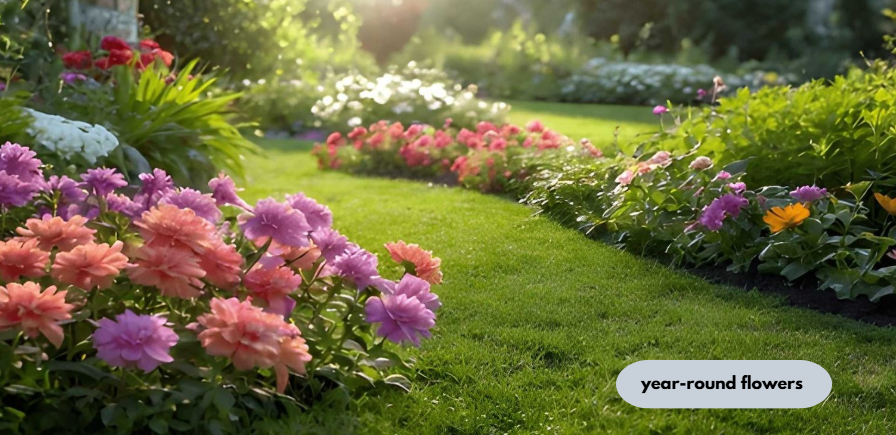
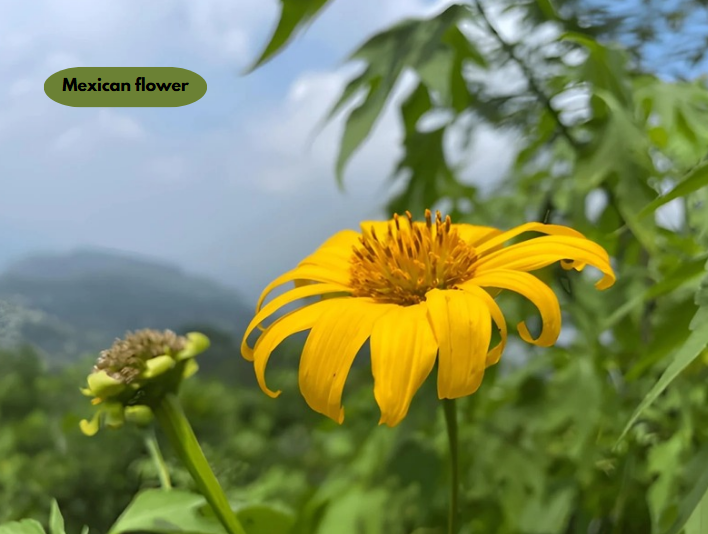
A strong Mexican flower garden pairs heat-loving, drought-tolerant plants such as Mexican bush sage, Mexican sunflower, and marigolds in full-sun beds with fast-draining soil. Group tall plants at the back, layer mid-height bloomers in front, and water deeply but rarely once roots establish.
Key Takeaways
- The majority of Mexican-origin bloomers require soil that drains rapidly after rain and six hours or more of direct sunlight.
- Short flowering plants edge the bed’s front, medium sages occupy the middle, while taller plants ground the rear section.
- After many summer annuals fade in the fall, Mexican bush sage and autumn sage offer color.
- A 120-square-foot bed takes about 75 gallons per inch of water, so deep, infrequent watering is easy to budget.
- The hardiness zone decides which sages return each year, so check yours before buying perennials.
What Is a Mexican Flower Garden?
A Mexican flower garden is a sun-focused arrangement of native plants from Mexico and Central America that are selected for their vibrant colors and minimal water requirements.
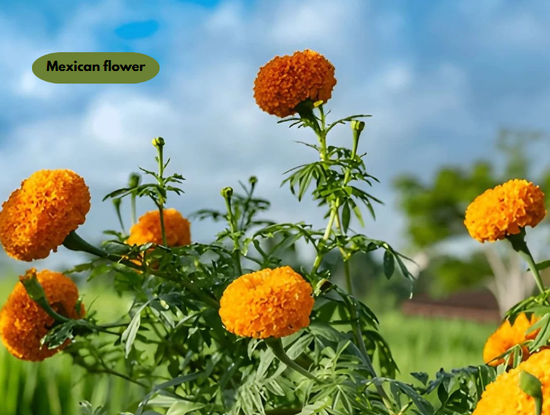
The color scheme includes gold marigolds, orange sunflowers, and purple sages. Many Hispanic flowers also carry cultural meaning, such as the cempasúchil marigold used on Día de Muertos altars every November 2.
Why Choose Drought-Tolerant Plants?
Drought-tolerant plants cut the summer watering that drives most outdoor water use.
Over 30% of home water nationwide and up to 60% in arid areas is used outside, according to the EPA’s WaterSense program.
Imagine a house that consumes 300 gallons every day. Dry-climate yards have the most to save because the national average sends around 90 gallons outdoors, compared to 180 in arid regions. Swapping thirsty turf for Mexican flowers that thrive on little water targets that gap.
How Do You Plan the Layout and Sun Exposure?
Figure out the sun’s path first, then set up the beds where the ground catches at least six hours of direct light.
A common question is which direction should your garden face, and for most U.S. yards the answer is south, which gives the longest and strongest light. West-facing spots also work but bake in afternoon heat, so screen that edge with narrow Italian cypress trees, which double as a vertical accent.
Use these steps to design a garden layout that fits the plants:
- Watch the yard at 9 a.m., noon, and 3 p.m., and mark every spot with six or more sunny hours.
- Outline garden beds up to five feet deep with a gently curved front edge.
- Fill the rear row with tall picks, such as Mexican sunflowers, to ground everything.
- Place medium-height sages and marigolds directly ahead of them, planting in clusters of three or five.
- Round out the front edge using low zinnias or cosmos (both originally come from Mexico).
- Cover the soil with a two-inch layer of gravel or shredded bark, but always be sure the mulch stays slightly away from the stems.
Designing gardens around repeated colors ties the beds together, so echo each color at least three times. Add garden decoration such as terracotta pots, Talavera tile, or painted stones in the same orange and cobalt tones.
Which Colorful Plant Combinations Work Best Together?
Pair purple with orange for the boldest contrast, using sages for the cool tones and sunflowers and marigolds for the hot ones.
| Plant | Bloom color | Best position | Key figure | Source |
| Mexican bush sage | Purple, white | Middle to back | Hardy in USDA zones 7–11 | UF/IFAS Extension, Salvia leucantha fact sheet |
| Autumn sage | Red, pink, orange | Front to middle | Hardy in USDA zones 7B–11 | UF/IFAS Extension, Salvia greggii fact sheet |
| Mexican sunflower | Orange-red | Back | 4 to 6 feet tall | UF/IFAS Extension Wakulla County, Mexican sunflower article |
| Aztec marigold | Gold, orange | Middle | 1 to 4 feet tall | NC State Extension Plant Toolbox, Tagetes erecta |
Gardeners in zone 7B or warmer can let both sages come back year after year as perennials, but you’ll want to start the sunflowers and marigolds from seed every spring. Just make sure to put those towering 4-to-6-foot sunflowers behind the shorter marigolds, or they’ll block all the light.
- Fiesta mix: Put the Mexican sunflowers in the back, group the gold marigolds in the middle, and run some purple bush sage along one side so the cool and warm tones play off each other.
- Fall mix: Combine red autumn sage, bush sage, and gold marigolds for a rich color scheme that keeps going strong from late summer right up until the first frost.
How Much Water Does the Bed Need?
Once established, these beds usually need one deep soak every 10 to 14 days in dry summer weather. Sandy soil and heat waves shorten that gap, so plan your garden decoration around plants that suit your local climate and soil.
New plants are different. Keep the water flowing every few days for two weeks, then taper off gradually over the next two months as the roots establish deeper in the soil. For newly planted garden beds, consistent watering helps roots establish before you reduce the frequency.
Here is the math for a 10-by-12-foot bed. That is 120 square feet, and one inch of water over one square foot equals about 0.62 gallons, so each soak uses roughly 75 gallons. Over a 20-week summer, weekly watering uses about 1,500 gallons, while watering every two weeks uses about 750.
The U.S. Drought Monitor’s February 5, 2026, release placed about 45 percent of the contiguous states in drought. Before creating a schedule, always review your local utility provider’s guidelines about watering days, since the restrictions differ from one city to another.
- Common mistake: pampering the plants. Rich soil and frequent sprinkling make sages floppy and invite root rot, because these species evolved in lean, fast-draining ground. Skip fertilizer, mix coarse grit into heavy clay, and let the top two inches dry between soaks.
- Exception: humid or cold regions change the plan. In the humid Southeast, heavy summer rain rots roots even in drought-tolerant plants, so raise the bed 8 to 12 inches with gritty soil. If you live below zone 7, bush sage won’t make it through the winter, so you’ll want to treat it as an annual or grow it in a container you can bring inside. Some Mexican imports, such as Mexican petunia and lantana, are invasive in parts of Florida, so check your state’s invasive plant list first.
FAQ
What is the best Mexican flower for full sun?
Mexican sunflowers are a favorite choice since they love the heat, handle dry soil with ease, and show off vibrant orange flowers all the way from the middle of summer until the first frost. For a perennial choice, plant Mexican bush sage. For edging, use marigolds, which stay shorter and bloom for months.
Are Mexican flowers drought-tolerant?
Most favorite picks handle dry conditions well once established, though there are big exceptions like dahlias. Dahlia, Mexico’s national flower, wants regular water, so keep it out of the dry zone of the bed. Water all new plants through the first season before relying on rainfall.
Which direction should a flower garden face?
A south-facing garden is best in most of the U.S. because it gets the longest hours of direct sun. East-facing beds get gentle morning light and suit plants that dislike hot afternoons. North-facing beds are too shady for most Mexican-origin bloomers.
When should you plant Mexican flowers?
Plant your sunflower and marigold seeds after the final spring frost once the soil has warmed up. Set perennial sages in spring or early fall so roots settle before extreme heat or freeze. Your county extension office can confirm local frost dates.
Can Mexican flowers grow in pots?
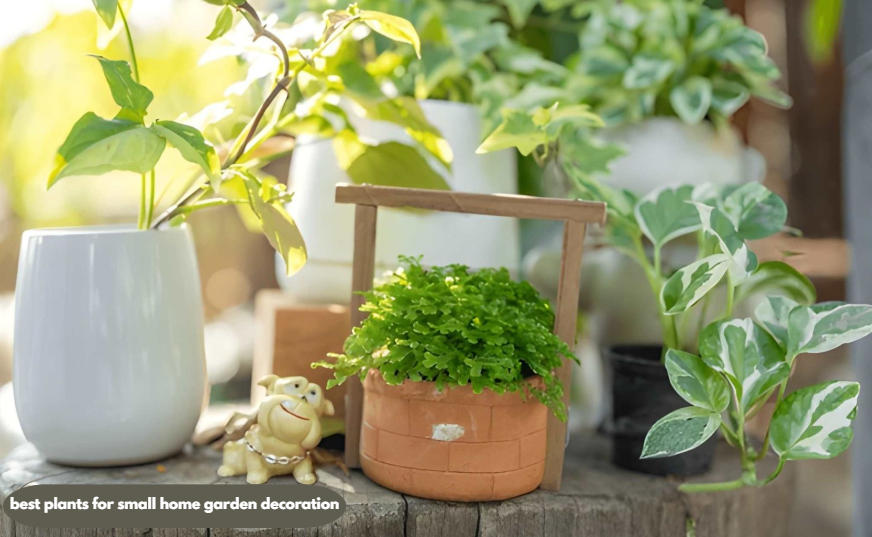
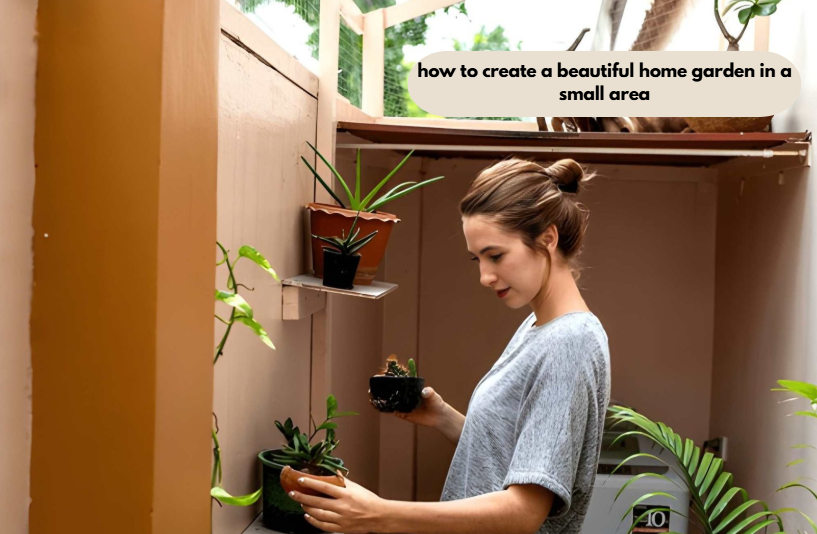
Yes, sages, marigolds, and small zinnias all do great in pots as long as they have drainage holes and a gritty soil mix. Pots dry out faster than the ground, so check them every few days in summer. Skip the tall sunflower unless the pot is large and heavy enough to resist wind.
Conclusion
A Mexican flower garden succeeds when sun, drainage, and layering come first. Pair purple sages with orange sunflowers and marigolds, then water deeply and rarely. You get continuous summer-to-frost color using just half the water a normal weekly schedule requires.