
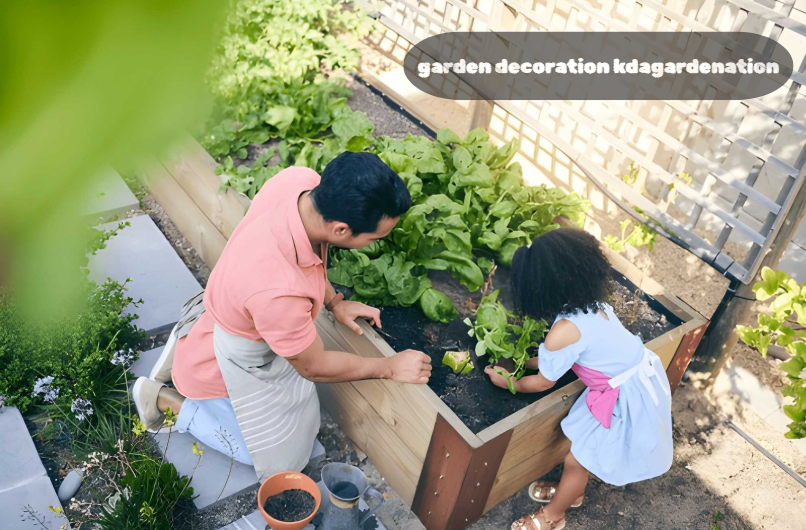
Garden decoration KdAGardenation ideas for small gardens start with one focal point, a clear path, layered plant heights, and decor that doubles as seating or storage. Use vertical planters, mirrors, warm lighting, and a tight color palette so a small yard looks larger, calmer, and planned instead of crowded.
Key Takeaways
- A small garden looks larger when it has one clear focal point instead of many competing ornaments.
- Vertical planters, wall trellises, and hanging baskets add growing space without using any floor area.
- Plants arranged in three height tiers, tall at the back and low at the front, make a narrow bed look deeper.
- Drip irrigation delivers water straight to the roots and wastes less than overhead spray sprinklers.
- Ten to fifteen minutes of weekly upkeep, such as deadheading and edging, keeps a small space looking intentional.
How Should You Plan a Small Garden’s Layout?
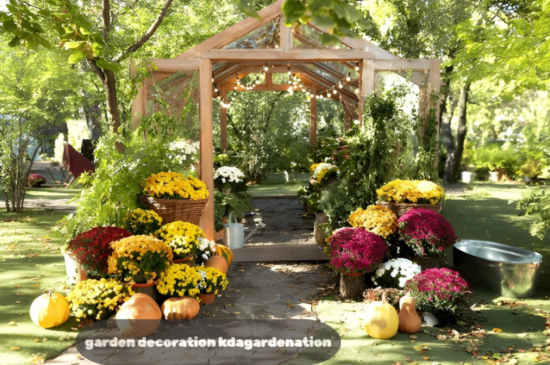
Start with a scaled sketch, then place one focal point, one path, and the planting beds before buying any decor. A written plan stops impulse purchases from cluttering a small yard.
Whether you follow a kdarchitects approach or work it out on your own, the first step is a measured drawing on graph paper at one square per foot. To design a garden layout for a space under 300 square feet, work in this order:
- Measure the space and note how many hours of sun each area gets in the morning, at midday, and in the afternoon.
- Choose one focal point, such as a bench, birdbath, or oversized pot, and place it where your eye lands from the back door.
- Draw a path at least 3 feet wide so you can walk it comfortably while carrying a watering can.
- Set planting beds along the edges and leave the center open, which makes the yard read as larger.
- Add vertical elements last, such as a trellis or wall planter, to lift the eye above ground level.
Why do diagonal lines make a small yard look bigger?
A path or deck set at a 45-degree angle creates the longest straight line across a rectangle, so the eye travels farther. In a 10-by-12-foot yard, the diagonal runs about 15.6 feet versus 12 feet along the long side.
That 30 percent longer sightline costs nothing extra and works in any rectangular yard.
Which Garden Decoration Ideas Work Best in Small Spaces?
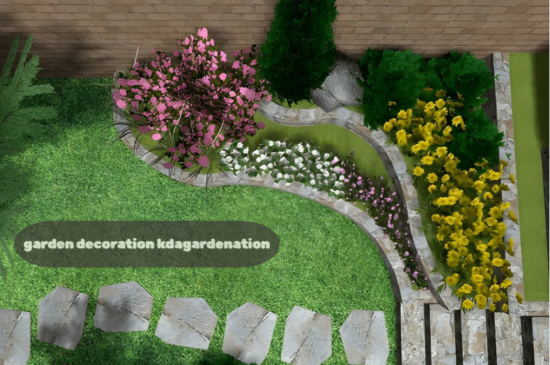
The best ideas use pieces that do two jobs: seating that stores tools, mirrors that bounce light, and lights that extend evening use. Single-purpose ornaments take up space without adding function.
A garden bench with a lift-up seat holds gloves, hand tools, and seed packets, so you skip the shed entirely. Put it against a wall facing the main feature, so it frames the view rather than blocking it.
Other low-footprint landscape ideas that add impact include:
- A weatherproof outdoor mirror on a fence, angled to reflect plants rather than the house.
- Solar string lights along one fence line to create a warm evening edge without wiring.
- Three matching containers in graduated sizes, grouped together in one corner.
- One shared color for all pots and furniture, such as charcoal, white, or terracotta.
U.S. gardening households spent a record $740 each in 2025, according to the National Gardening Association’s National Gardening Survey 2026 Edition. If your small yard gets a similar yearly budget, putting one third, about $247, into a single sturdy focal piece gives more visual return than splitting it across a dozen small trinkets.
What Decorating Mistake Makes Small Gardens Look Cluttered? | Garden Decoration KDAGardenation
The most common mistake is scattering many small ornaments around the yard. It happens because each item is inexpensive and seems harmless alone, yet together they break the space into fragments and give the eye nowhere to rest.
The fix is the one-focal-point rule. Keep one large feature, group the remaining decor in odd numbers such as three or five, and remove anything you cannot see from your main seat.
Which Plants Make a Small Garden Look Fuller?
Plants arranged in three height layers make a narrow bed look deep: tall plants at the back, mid-height fillers in the middle, and low edging at the front. Repeating the same plant two or three times ties the whole bed together.
Heat-loving mexican flowers suit sunny American yards because many handle dry spells and keep blooming until frost. French marigolds stay compact at 6 to 14 inches tall depending on cultivar, according to the University of Missouri Integrated Pest Management. A single row along a 10-foot path, spaced 8 inches apart, needs about 15 plants to form a continuous edge.
The table below shows where three other Mexico-native flowers fit in a small layout.
| Flower | Mature height | Best role in a small garden | Source |
| Mexican sunflower (Tithonia rotundifolia) | 1.5 to 2.5 m (about 5 to 8 ft) | Back-corner screen or living fence | Royal Horticultural Society |
| Mexican bush sage (Salvia leucantha) | 1 to 1.5 m (about 3 to 5 ft) | Fence-line accent in the back tier | Royal Horticultural Society |
| Aztec marigold (Tagetes erecta) | About 1 ft | Front edging and containers | NC State Extension |
Edible plants can double as decoration. Among practical organic vegetable gardening tips for small spaces, the most useful is to grow attractive, compact crops such as rainbow chard, purple basil, and bush beans in decorative pots, fed with compost instead of synthetic fertilizer. Tuck them into flower beds so each harvest does not leave a bare gap.
What Watering Routine Keeps a Small Garden Healthy?
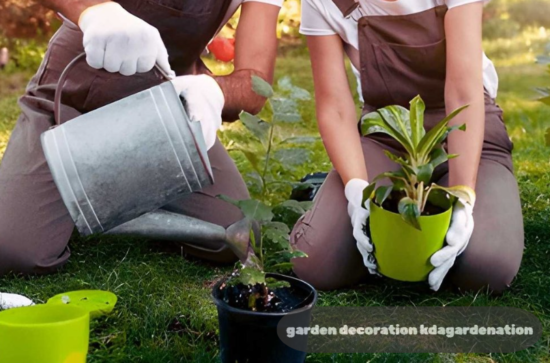
Most in-ground beds need about 1 inch of water per week, given in one or two deep morning soakings. Deep watering pushes roots downward, where the soil stays moist longer.
A simple watering schedule for healthy plant growth: water beds on Monday and Thursday mornings, check containers daily in summer, and skip a session after heavy rain.
Drip and other microirrigation systems use 20 to 50 percent less water than spray sprinklers, according to the EPA’s WaterSense program. On a bed where a sprinkler uses 100 gallons a week, drip would save 20 to 50 gallons weekly. When you design a garden from scratch, group plants with similar water needs so one drip line serves them all.
Containers and desert yards are the exception: a pot in full summer sun often needs water daily, while established succulents need it only every two to three weeks.
How Do You Keep a Small Garden Neat Year-Round?
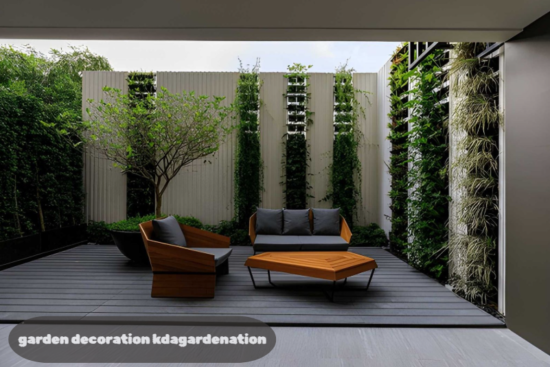
A small garden stays neat with short weekly sessions rather than occasional big cleanups, because every weed and faded bloom shows in a small space. Ten to fifteen minutes a week covers most tasks.
For anyone learning how to maintain a garden on a tight schedule, use this weekly rotation:
- Deadhead spent flowers to keep new blooms coming.
- Pull weeds while they are small, right after watering when the soil is soft.
- Trim bed edges with shears or a half-moon edger.
- Refresh mulch to a depth of 2 to 3 inches each spring.
- Wipe down and reposition decor after storms.
In fall, cut back spent annuals, store cushions indoors, and sketch new garden designs for spring while the yard’s structure is easy to see. Evergreen shrubs and a well-placed bench carry the view through winter, when flowers are gone.
Frequently Asked Questions
How can I make my small garden look bigger?
Use one focal point, vertical planting, a diagonal path, and a limited color palette to make a small garden look bigger. A fence mirror and an open middle make the space look even bigger. Repeating two or three colors keeps the eye moving smoothly across the space.
What is the cheapest way to decorate a small garden?
The cheapest approach is to edit and unify what you already own rather than buy new pieces. Paint mismatched pots a single color, divide existing perennials to fill gaps, and add solar lights, which need no electrician.
Where should a bench go in a small yard?
Place a bench against a wall or fence, facing the focal point or the best view. This keeps the center open and turns the seat into a frame for the garden. Keep it out of the main walking route.
Which flowers suit small sunny gardens in the U.S.?
Compact, heat-tolerant flowers such as marigolds, zinnias, and Mexican bush sage suit small sunny gardens. Keep tall varieties at the back or in one corner so they do not block the view from your seat.
How often should I water a small garden?
Water in-ground beds deeply once or twice a week, aiming for about 1 inch in total. Containers dry out faster and need daily checks during summer heat. Test the soil 2 inches down before every session.
Conclusion
Garden decoration KdAGardenation style comes down to one rule: plan first, choose a single focal point, and make every piece do two jobs. A small garden with layered plants, deep watering, and weekly upkeep looks larger and more finished than a big yard filled with clutter.

6 thoughts on “Simple Garden Decoration KdAGardenation Ideas to Make Small Gardens Look Better”