
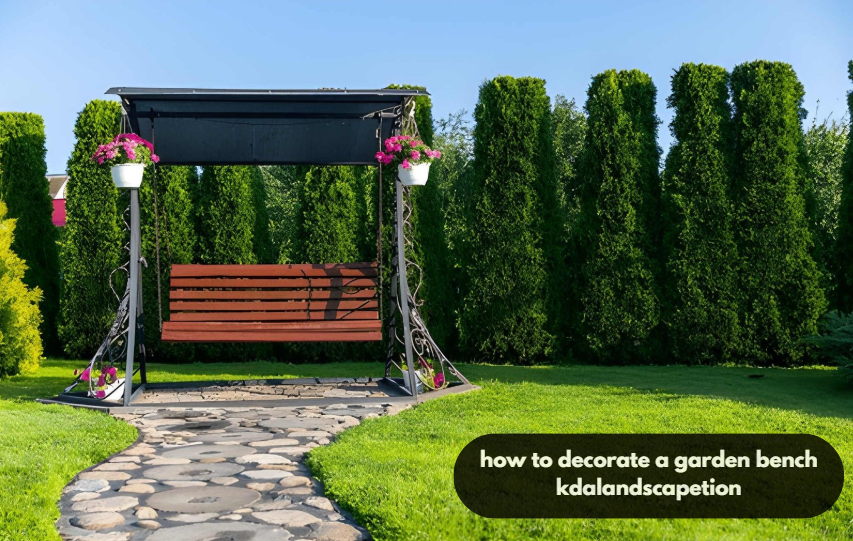
The simplest answer to how to decorate a garden bench kdalandscapetion style is to layer three things: weatherproof cushions, potted plants at each end, and soft lighting behind the seat. Choose plants by counting the hours of direct sun the bench gets, then repeat one accent color across everything.
Key Takeaways
- Decorate in order: fix the frame first, then add cushions, then plants, then lighting.
- Count the hours of direct sun at the bench before choosing plants. Six or more hours suits marigolds and lavender; under two suits ferns and hostas; and four to six hours of partial sun is the most comfortable spot to sit.
- Use pots at least 8 to 10 inches wide, and measure the bench, pots, and gaps together before buying so the pots don’t crowd the armrests.
- Don’t put gravel in the bottom of pots. It doesn’t improve drainage and can keep roots wetter, so fill pots with potting mix and raise them off the ground instead.
- Repeat one accent color across cushions, flowers, and pots, and swap small accents by season instead of redecorating.
What is garden bench decorating?
Garden bench decorating is the practice of adding comfort, plants, color, and light to an outdoor seat so it becomes a place people choose to sit, not just a piece of furniture.
How to decorate a garden bench Kdalandscapetion style: 9 easy steps

Start with the bench itself, then add comfort, then plants, then light. Following that order keeps you from buying cushions before the seat’s even painted.
- Clean and refinish the bench. Wash it with mild soap and water, let it dry fully, then paint or stain it. Fresh color on the frame does more than any accessory added later.
- Add outdoor cushions in one accent color. Pick a single color already present in your flowers or front door. One repeated color reads as planned; three compete.
- Flank the bench with matching pots. Use containers at least 8 to 10 inches wide, which is the minimum most annuals and perennials need. Smaller pots dry out fast and keep plants stunted.
- Lift the pots off the ground. Raise containers on pot feet or a brick so water drains freely. This also stops rings from staining a patio.
- Build a tall backdrop. A trellis with a climber, a row of ornamental grasses, or a hedge behind the seat frames it. A bench with something at its back feels sheltered.
- Hang soft lighting. Solar lanterns or string lights need no wiring and make the bench usable after sunset.
- Lay a firm pad underneath. A small rectangle of pavers or gravel keeps the legs out of wet soil and your shoes out of mud.
- Set a small table beside it. A stool, stump or side table gives a cup or a book somewhere to rest, which is what turns a short sit into a long one.
- Swap accents by season. Just swap the little details: a spring throw, fall pumpkins, and winter evergreen branches.
Where is the best place to put a garden bench?

Put the bench where it faces your best view and gets the amount of sun you enjoy sitting in. The light at that spot then decides every plant you place beside it.
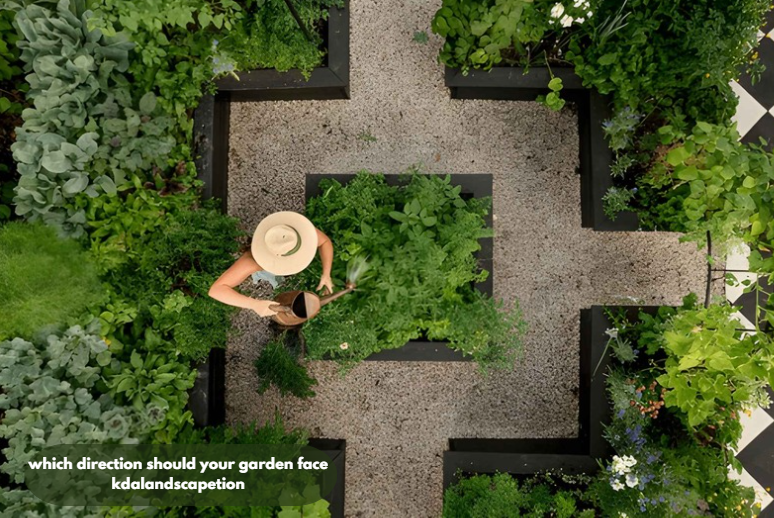
A common question is which direction should your garden face.In the Northern Hemisphere, south-facing spots collect the most light and are usually where you’ll find full sun, meaning six or more hours of direct light.
Garden light falls into four bands based on hours of direct sun. The table pairs each band with what it means for sitting and for planting.
| Direct sun per day | Light category | How the bench feels | Plants that suit the pots |
| 6 hours or more | Full sun | Warm; hot at midday in summer | Marigolds, zinnias, lavender |
| 4 to 6 hours | Partial sun | Comfortable most of the day | Pansies, petunias |
| 2 to 4 hours | Partial shade | Cool, good for reading | Begonias, impatiens |
| Under 2 hours | Shade | Coolest seat in the yard | Ferns, hostas |
How do you measure the sun a bench gets?
Check the spot once an hour for a full day and add up the sunny hours. Start the count at 7:00 a.m.
The hours do not need to be in one block. A bench lit from 8 to 11 a.m. and again from 3 to 5 p.m. totals five hours, which is partial sun, even though it looks bright whenever you walk past.
How much space do planters need beside a garden bench?

Allow the pot width plus a small gap on each side of the bench. Measuring first prevents the most common result: a bench squeezed between pots that block the armrests.
Here is the sum for a bench 48 inches wide with one 10-inch pot at each end and a 4-inch gap between pot and armrest:
- Bench: 48 inches
- Two pots: 2 x 10 = 20 inches
- Two gaps: 2 x 4 = 8 inches
- Total run: 48 + 20 + 8 = 76 inches, or 6 feet 4 inches
If your wall or fence panel is shorter than that total, use one larger pot on a single side. An off-center pot looks deliberate; two crammed pots look like a mistake.
What is the most common planter mistake?
The most common mistake is putting gravel or broken pottery in the bottom of the pot. People do it because it seems logical that stones let water escape.
University of Maryland Extension states that this layer does not help drainage and can raise the level at which water sits inside the container. Roots then stay wet for longer.
The fix is simple: fill the whole pot with potting mix, confirm it has drainage holes, and raise it slightly off the ground.
Which plants keep a garden bench colorful all year?

Rotate one cool-season plant and one warm-season plant through the same pots. No single flower blooms for twelve months in most climates, so year-round flowers come from a relay, not one plant.
Pansies and violas carry spring and fall. Summer belongs to marigolds, zinnias, and petunias; autumn to chrysanthemums; and late winter to hellebores in areas without a hard freeze.
Beginners should start with easy plants to grow at home: marigolds, zinnias, basil, and mint all forgive missed waterings. Keep mint in its own pot, because it spreads through shared soil.
Check your hardiness zone before buying perennials. The USDA map released in 2023 drew on 13,412 weather stations and moved roughly half the country into a warmer half zone than the 2012 version, so an older plant tag or book can list a zone your address no longer matches.
How do you plan the rest of the garden around a bench?

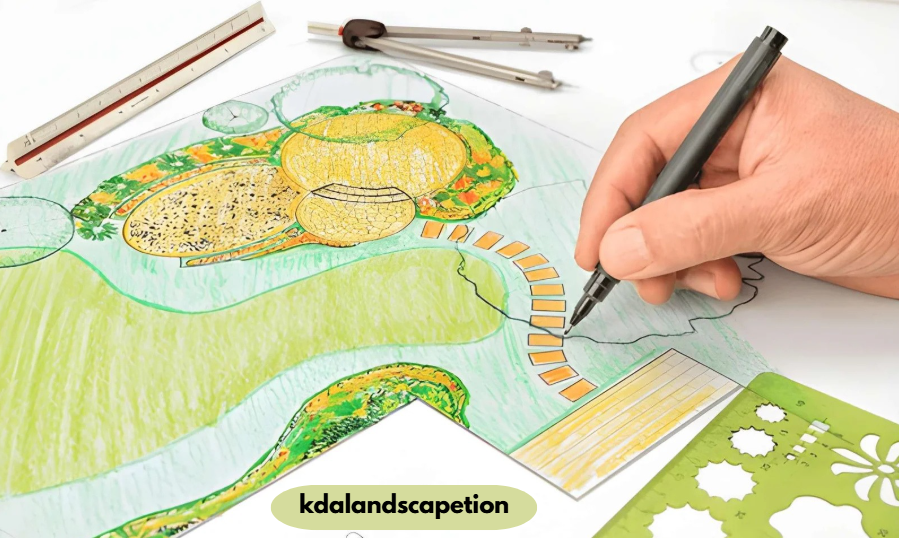
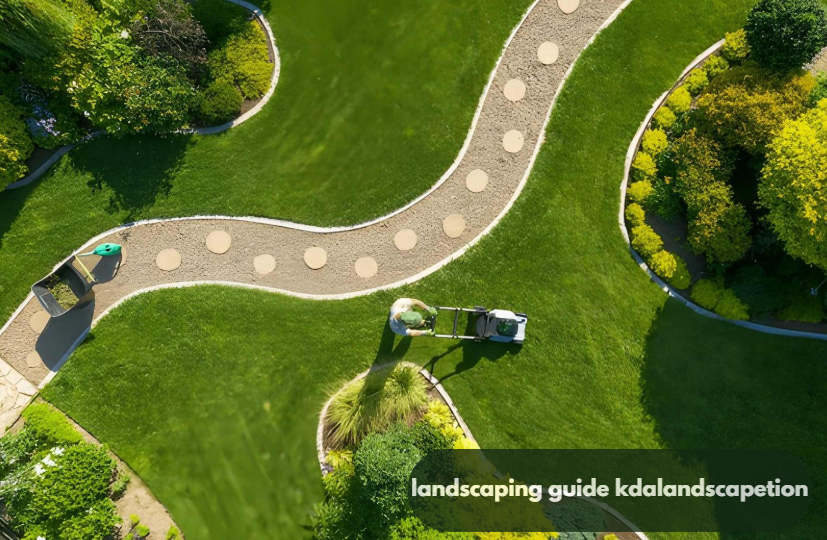
Treat the bench as the destination and plan everything else to lead to it. If you are asking, can I design my own garden? The answer is yes: a seat, a path, and a view are enough to design a garden layout that works.
- Match the house. Pick a bench that suits your home’s basic architectural style: painted wood for a cottage, plain metal for a modern house, or wrought iron for traditional brick.
- Start small. Most advice on designing gardens begins with patios and pergolas, but a bench costs less and can be moved.
- Test before you build. A landscaping guide that starts with a seat lets you try a spot for a season first.
Simple gardening ideas like these fit any budget, since a bench, two pots, and a few plants cost far less than a patio or pergola.
The usual advice changes in heavy shade, such as the base of a north-facing wall. Flowering pots fail there, so use ferns, cushions, lanterns, and paint instead. In the Southern Hemisphere the direction rule flips, and north-facing spots get the most sun.
Frequently Asked Questions
What do you put on a garden bench to make it look nice?
Put one or two outdoor cushions and a folded throw on the seat, and keep the middle clear for sitting. Matching the fabric to a flower color nearby ties the bench to the planting.
What should I plant next to a garden bench?
Plant what matches the hours of direct sun at that exact spot. Marigolds and lavender suit six or more hours, while ferns and hostas suit fewer than two.
How big should pots beside a bench be?
Pots beside a bench should be at least 8 to 10 inches wide. Most annuals and perennials need at least that, and bigger pots stay moist longer.
How do I protect a decorated bench from the weather?
Seal or paint the frame, and bring cushions inside whenever the rain is forecast. It also helps to set the legs on pavers or gravel to keep them out of wet soil.
Should a garden bench be in sun or shade?
A bench is most comfortable in partial sun, meaning four to six hours of direct light. That gives morning warmth without the midday heat of a full-sun position.
How much does it cost to decorate a garden bench?
The cost depends on what you already own, because paint, two pots, and two cushions are the only essentials. Reusing containers and dividing existing plants removes most of the expense.
Conclusion
How to decorate a garden bench kdalandscapetion style comes down to order: fix the frame, add comfort, then plants, then light. Count the sun before you buy a single plant, and measure the space before you buy a single pot. A bench decorated this way becomes the place the rest of the garden is planned around.

3 thoughts on “How to Decorate a Garden Bench Kdalandscapetion: 9 Simple Ideas for a Better Garden ”