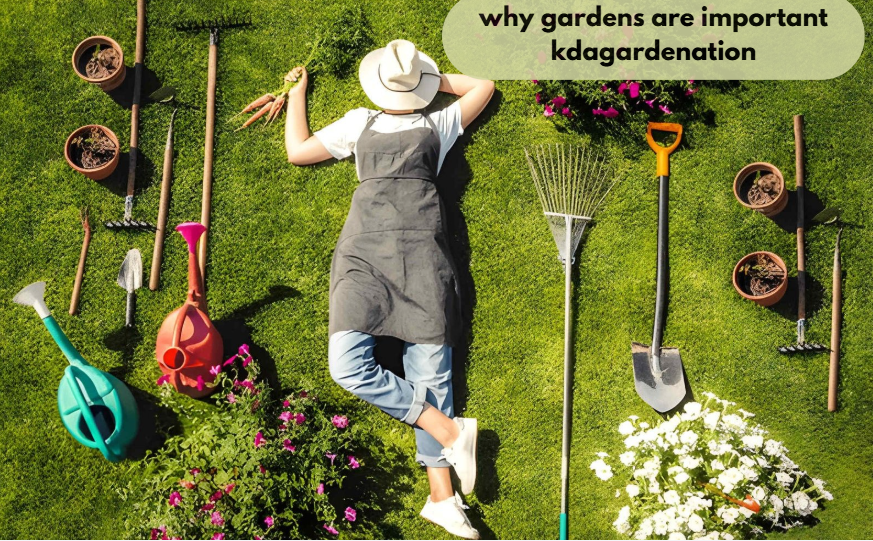
Anyone searching why gardens are important kdagardenation gets a two-part answer: a garden lowers daily stress and adds movement, fresh food, and calmer routines to your week. It also raises curb appeal, trims wasted water, and turns unused yard space into a second living area.
Key Takeaways
- Regular gardening lowers stress and anxiety while adding steady, low-impact exercise to the week.
- Planting and landscape upkeep usually recover their full cost when a home sells, while large hardscape projects return slightly less.
- Overwatering wastes water and weakens roots, and a deep, infrequent watering schedule fixes both problems.
- Homeowners can design their own garden by mapping sun, water access, and paths before buying any plants.
- A small indoor garden gives renters the calming routine and fresh herbs, though not the outdoor exercise or resale gains.
Why Gardens Are Important KDAGardenation Breakdown: The Health Benefits
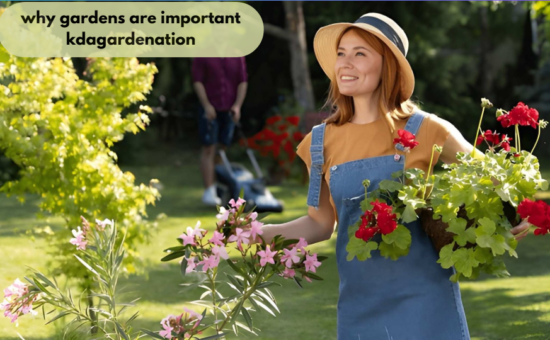
Gardens matter because they bundle three healthy habits into one routine: movement, time outdoors, and fresh food. Few hobbies deliver all three without a gym membership or a strict diet plan.
Digging, hauling soil, and kneeling to weed all count as moderate activity. Growing your own greens and herbs also pushes meals toward more vegetables with no extra willpower.
How does gardening affect mental health?
Gardening lowers stress by giving your mind a slow, hands-on task with progress you can see. Watching a seedling grow week by week builds a sense of control that carries into the rest of the day.
Research on how gardening affects mental health now includes controlled trials, not just surveys of people who already garden. In a University of Colorado Boulder randomized trial, first-time community gardeners gained roughly 42 minutes of physical activity per week over a non-gardening control group, and their stress and anxiety scores fell. Spread over seven days, that equals six extra active minutes a day without booking a single workout.
To get the same effect at home, schedule two or three short garden sessions each week instead of one long weekend push. Short, frequent visits keep the routine going and stop chores from piling up.
Do Gardens Add Value to Your Home?
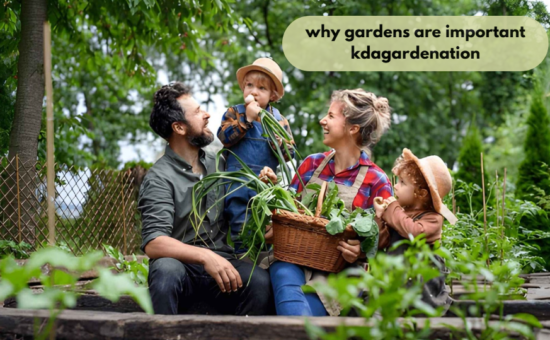
Yes. Well-kept planting and landscaping tend to pay back their cost at sale, while bigger hardscape builds usually return a little less than they cost.
The cost figures below come from landscape professionals, while the recovery percentages are real estate agents’ estimates at sale. Consider them typical estimates, not assured selling prices.
| Outdoor project | Typical cost | Estimated cost recovered at sale | Net result (calculated) | Source |
| Landscape maintenance | $4,800 | 104% | +$192 | NAR and NALP’s 2023 report on outdoor remodeling impact |
| Overall landscape upgrade | $9,000 | 100% | $0 | NAR and NALP’s 2023 report on outdoor remodeling impact |
| New patio | $10,500 | 95% | −$525 | NAR and NALP’s 2023 report on outdoor remodeling impact |
Here is how to use the table before listing a home. Every $1,000 spent on landscape maintenance returns about $1,040, while every $1,000 spent on a patio returns about $950. That is a $90 gap per $1,000, so planting, mulch, and pruning should come first when the goal is resale.
A patio still earns its place if you plan to stay for years. Outdoor living space gets used every warm evening, and resale is only one of its returns.
Garden designs that buyers notice are usually simple: clean bed edges, layered shrubs and perennials, and a garden bench that gives the front walk or back patio a clear focal point.
Can I Design My Own Garden?
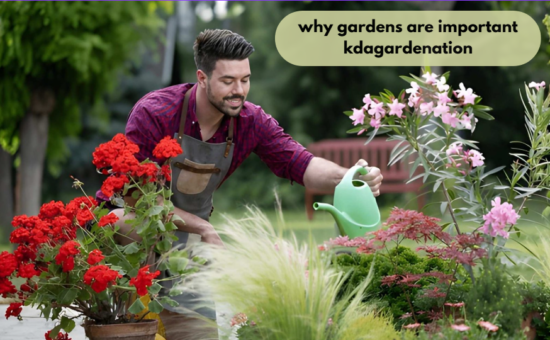
Yes. Most homeowners can plan a working garden without a professional by deciding on the site first, the structure second, and the plants last.
Homeowners who ask can I design my own garden usually need a sequence more than talent. The KDAGardenation Guide method follows the same order a design studio such as kdarchitect would use, scaled down to a weekend. Here is how to design a garden layout step by step:
- Track the sun for one full day. Mark spots with 6 or more hours of direct sun as full sun, 3 to 6 hours as part sun, and less as shade.
- Find your water source. Place thirsty beds within easy hose reach of the outdoor spigot.
- Draw paths before beds. Keep main paths at least 3 feet wide so a wheelbarrow fits.
- Choose one anchor feature. A tree, a patio edge, or a bench gives the beds something to frame.
- Group plants by water need. Drought-tolerant plants go together, and heavy drinkers sit closest to the spigot.
- Build one bed this season. Expand next year once you know how much time upkeep really takes.
According to the National Gardening Association’s National Gardening Survey 2026 Edition, U.S. gardening households spent a record $740 each in 2025. Divided by 12 months, that is about $62 a month, a realistic ceiling for a first-year plan: one bed, its plants, and enough left over for soil and mulch.
What Is a Simple Watering Schedule for Healthy Plant Growth?
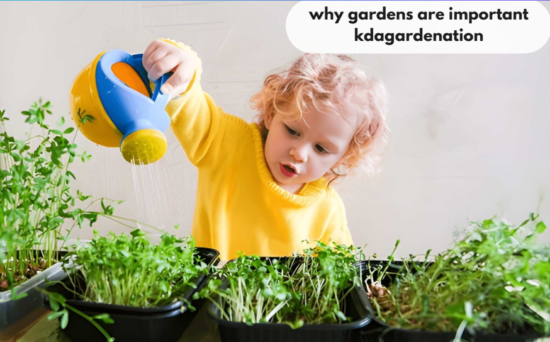
Water established beds deeply once or twice a week in the early morning, then wait until the top 2 inches of soil feel dry. Containers and new transplants are the exception and need checks every day or two in summer.
A simple watering schedule for healthy plant growth follows the soil, not the calendar:
- Established beds: one or two deep soaks per week, wetting the soil about 6 inches down.
- New transplants: every one to two days for the first two weeks, then taper off.
- Outdoor containers: check daily during summer heat, since pots dry out fastest.
- Indoor pots: water only when the top inch of soil is dry.
The U.S. Environmental Protection Agency’s WaterSense program estimates that as much as half of outdoor water is lost to overwatering. Say your summer water bill runs 4,000 gallons a month above your winter bill. If up to half of that extra is overwatering, a tighter schedule frees as much as 2,000 gallons every month.
What is the most common watering mistake?
The most common mistake is a light daily sprinkle. The soil surface looks dry by afternoon, so people water again, but the moisture never reaches the root zone.
The result is shallow roots that wilt in the first heat wave and wet leaves that invite fungus. The fix is to push a finger 2 inches into the soil, water only when it feels dry, aim at the base of each plant, and spread 2 to 3 inches of mulch to slow evaporation.
The deep-and-infrequent rule bends in two situations. In drought-prone areas of the West, local utilities often set the allowed watering days, so match your schedule to that calendar and rely on drip lines. In sandy soil, water drains so fast that two shorter soaks per week beat one long soak.
Can a Small Indoor Garden Give the Same Benefits?
Partly. A small indoor garden delivers the calming routine and fresh herbs, but it skips the outdoor activity and the home-value boost.
For renters and apartment dwellers, a small indoor garden is still worth starting. Use a south- or west-facing window, or a grow light set for 12 to 14 hours a day. Basil, mint, chives, and parsley handle indoor conditions well, and a single tray of three to five pots is easy to keep alive.
Frequently Asked Questions
Why are gardens important for families?
Gardens give families a shared, screen-free project with visible results every week. Giving each child one pot or one row builds responsibility and a reason to check on plants daily.
How much time does a home garden need each week?
A small backyard garden needs about two to three hours a week once it is planted. Spring planting takes more time, while midsummer is mostly watering checks, weeding, and harvesting.
What should a beginner plant first?
Beginners should start with fast, forgiving crops such as lettuce, radishes, bush beans, and herbs. These give results within weeks, which keeps motivation high through the first season.
Is it cheaper to grow your own vegetables?
It depends on the crop you choose. Herbs, salad greens, and cherry tomatoes save the most because store prices are high and the plants keep producing all season.
Does gardening count as exercise?
Yes, active gardening counts as moderate exercise. Digging, raking, lifting bags of soil, and pushing a wheelbarrow work large muscle groups and raise your heart rate.
Conclusion
Every search for why gardens are important kdagardenation leads to the same answer: a garden pays you back twice, once in calmer days and again in a home that shows better. Start with one bed, water deeply instead of often, and let the garden grow as your routine does.