A small home garden works best when you treat every inch as multipurpose space, combining vertical growing, container flexibility, and layered plant heights. This approach lets even a 50 to 100 square foot area function as a full garden without feeling cramped or overplanted.
If you’ve been searching for how to create a beautiful home garden in a small area, the good news is that it comes down to a handful of repeatable design principles, not luck or a big yard. Once you understand the mechanics of how a compact garden actually functions, the design decisions get a lot easier.
What Makes a Small Garden Design Actually Work?
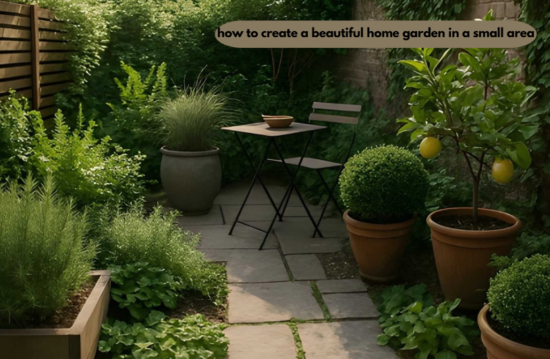
How to create a beautiful home garden in a small area?
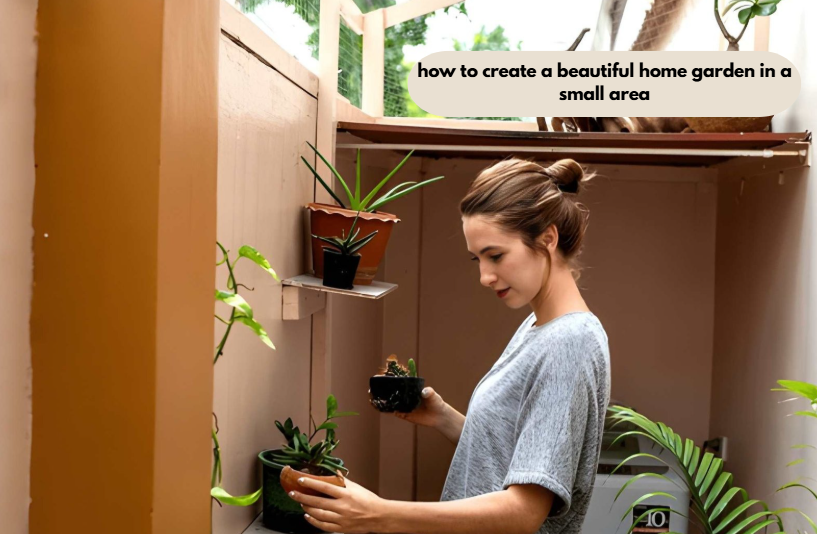
You create a beautiful home garden in a small area by combining vertical structures, defined zones, and a limited plant palette instead of cramming in as many plants as possible.
Trellises and tiered shelving let you grow upward instead of outward, which is the biggest space-saver in compact gardens. A clear seating spot, planting bed, and walking path also make a small area feel intentional rather than cluttered.
How much space do I actually need for a home garden?
You can start a functional home garden in as little as 20 to 30 square feet, including a balcony or small side yard.
Traditional suburban plots often average 600 square feet or more, according to the National Gardening Association. But sunlight and soil depth matter far more than total square footage when it comes to what you can actually grow.
What are the biggest mistakes people make in small gardens?
The most common mistake is overcrowding, followed by ignoring mature plant size at planting time.
Plants often look small in a nursery pot but double or triple in size within months, leading to root competition and poor airflow. Skipping soil testing is another common error, since it means spending money on plants that were never suited to the soil in the first place.
Raised Beds vs. Container Gardens vs. In-Ground Planting
Choosing the right growing method has a bigger impact on a small garden’s success than almost any other decision, because it determines your soil quality, drainage, and how much you can control the growing environment.
| Growing Method | Space Efficiency | Maintenance Level | Best For |
| Raised Beds | High | Moderate | Vegetables, defined garden beds |
| Container Gardens | Very High | Low to Moderate | Balconies, patios, rentals |
| In-Ground Planting | Moderate | Low | Yards with good existing soil |
Is a raised bed better than a container garden for small spaces?
Raised beds generally allow deeper root growth and better yields, while container gardens offer more flexibility for renters or balcony spaces.
Raised beds give you full control over soil composition from day one, which matters a lot if your existing yard soil is compacted clay or sandy fill, both common in newer housing developments across the US. Containers, on the other hand, can be moved to chase sunlight throughout the day, something a fixed raised bed simply can’t do.
Do in-ground gardens work in small yards?
In-ground gardens work well in small yards as long as the existing soil drains properly and receives at least six hours of direct sunlight.
If your yard has heavy clay soil or standing water after rain, in-ground planting will likely underperform compared to a raised bed. A simple drainage test, digging a hole and timing how fast water disappears, tells you almost everything you need to know before committing.
Balcony Garden Ideas for Apartments and Condos
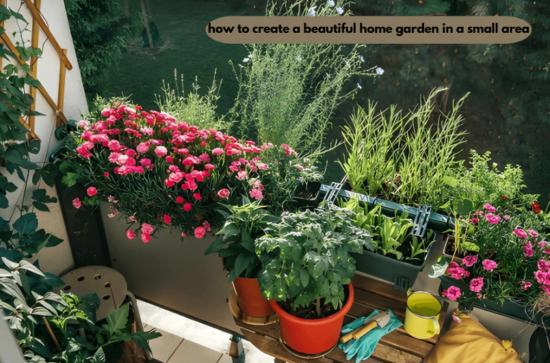
Balcony garden ideas have exploded in popularity as more Americans live in apartments and condos with little to no yard access. The core principle is the same as any small-space garden: work vertically, choose compact plant varieties, and account for wind exposure that ground-level gardens rarely deal with.
What plants grow best on a balcony garden?
Herbs, dwarf tomato varieties, and trailing flowers like petunias tend to perform best in balcony conditions.
These plants tolerate wind, temperature swings, and reflected heat from concrete or railings better than larger leafy vegetables. Compact “patio” or “dwarf” cultivars bred specifically for containers are worth seeking out, since they’re less likely to become leggy or top-heavy in a pot.
How do I stop wind from damaging balcony plants?
Windbreaks made from lattice panels, dense shrubs in containers, or outdoor curtains can reduce wind stress significantly.
Higher floors deal with more consistent wind, which dries out soil faster than ground-level gardens experience. When I set up my fourth-floor balcony garden, anchoring containers to the railing with heavy-duty zip ties prevented potted herbs from tipping over during afternoon wind gusts.
Simple Gardening Ideas That Don’t Require a Green Thumb
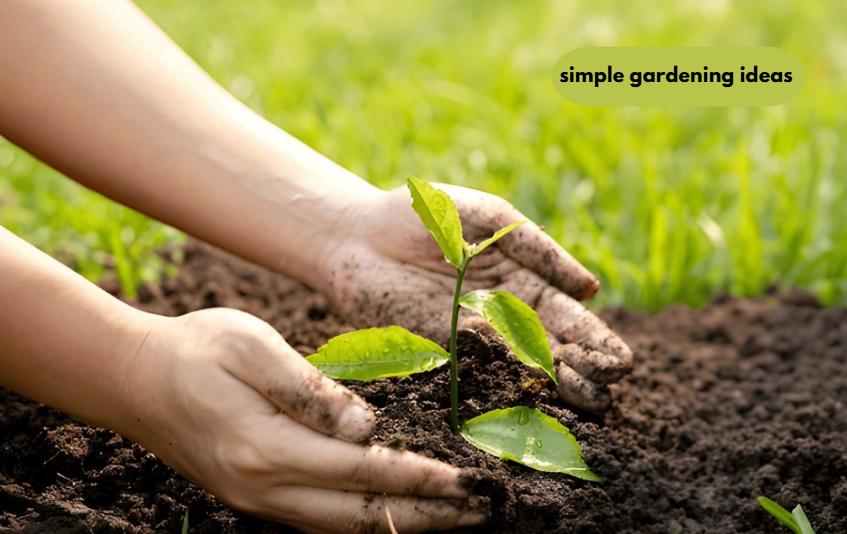
Not everyone wants to become a horticulture expert just to enjoy a nice garden. Simple gardening ideas focused on low-maintenance, forgiving plants let beginners build confidence without constant plant loss.
What is the easiest way to start a garden for beginners?
Starting with a few pre-mixed potting soil containers and low-maintenance plants like herbs or succulents is the easiest entry point.
Skipping soil amendment debates and buying quality bagged potting mix removes one of the biggest variables that trips up new gardeners. Starting small, with three or four pots rather than a full bed, also keeps the learning curve manageable.
What vegetables or flowers are hardest to kill?
Marigolds, mint, zucchini, and cherry tomatoes are widely considered some of the most forgiving plants for beginner gardeners.
These plants tolerate inconsistent watering, minor pest issues, and less-than-perfect soil far better than delicate options like lettuce or roses. Mint in particular grows so aggressively that it’s usually better contained in its own pot rather than planted in-ground.
How to Design a Garden Layout That Feels Bigger Than It Is
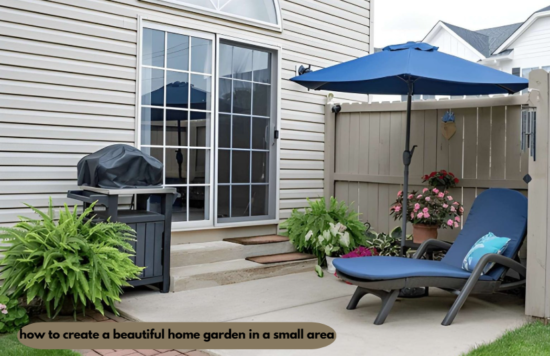
Learning how to design a garden layout kdagardenation starts with understanding that visual tricks matter just as much as physical space. Garden landscaping ideas in small areas rely heavily on sightlines, repetition, and controlled color palettes rather than variety for variety’s sake.
How do you design a garden layout to make a small yard look bigger?
A small yard layout looks bigger with a curved path, a limited color palette, and a few reflective elements instead of a straight, boxy grid.
- A curved or diagonal path creates a longer visual line, which tricks the eye into reading the space as larger.
- Grouping plants in odd numbers looks more natural than symmetrical rows.
- Mirrors or reflective surfaces add depth and make the garden feel less enclosed.
- Two or three repeated colors throughout the garden prevent visual clutter.
- Borrowed scenery, or visually connecting the garden with a neighboring tree line or skyline, extends its perceived boundary.
Best Tools, Materials, and Products for Small-Space Gardens
Following a solid landscaping guide kdalandscapetion means understanding which tools genuinely earn their space in a small garden setup versus which ones just take up storage room you don’t have.
What tools do I actually need to start a small home garden?
A hand trowel, pruning shears, a watering can with a narrow spout, and quality potting soil cover most small-garden needs.
Larger equipment like tillers or wheelbarrows rarely makes sense for a garden under 200 square feet. Investing in one or two high-quality hand tools tends to outperform a large collection of cheap ones that wear out within a season.
Is it worth hiring a landscape designer for a small yard?
Hiring a designer is worth it if you want a cohesive, long-term layout, but many small gardens can be planned effectively with careful DIY research.
Professional input, such as guidance available through resources like ww. kdarchitects.net, can be especially useful when dealing with drainage issues or structural elements like retaining walls or when you want a design that increases property value rather than just looking nice for a season.
Troubleshooting Common Small Garden Problems
Why isn’t my small garden growing well, and how do I fix it?
Most small garden problems come down to insufficient light, poor soil, or pests, and each has a simple fix.
- Plants need a minimum of six hours of direct sun, so even partial shade from a nearby wall or fence can hold growth back significantly.
- Amending existing soil with compost or switching to a raised bed with fresh soil solves most poor soil issues, and a quick test through a local extension office confirms pH and nutrient levels rather than guessing.
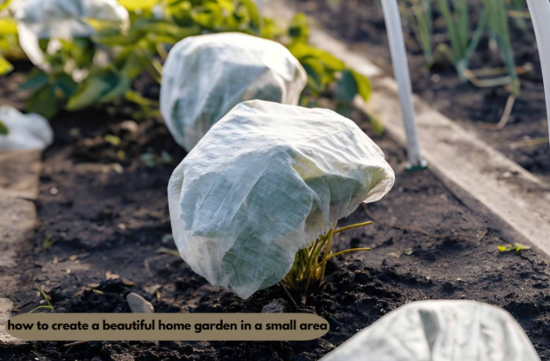
- Companion planting with marigolds or basil, along with physical barriers like row covers, keeps pests away without relying on chemicals, though results can vary by region.
Frequently Asked Questions
How much does it cost to start a small home garden?
A basic small home garden setup typically costs between $100 and $300, depending on whether you’re building raised beds or using containers.
How long does it take to see results in a small garden?
Most flowering annuals and quick vegetables show visible growth within two to four weeks, while full maturity takes six to twelve weeks depending on the plant.
Can I have a beautiful garden with only a few hours a week?
Yes, a well-designed garden with low-maintenance plants and efficient watering systems can be maintained in two to three hours per week.
What’s the best direction for a small garden to face for sunlight?
South-facing spaces generally receive the most consistent sunlight throughout the day in the Northern Hemisphere, making them ideal for most vegetables and flowering plants.
Conclusion
Knowing how to create a beautiful home garden in a small area really comes down to a handful of decisions made early: how you use vertical space, which growing method fits your soil and light conditions, and how disciplined you are about not overcrowding. None of it requires a huge budget or years of experience, just a clear plan before you start buying plants.
If you’re ready to get started, walk your space at different times of day this week and note where the sun actually falls. That single piece of information will shape almost every other decision you make about your garden.