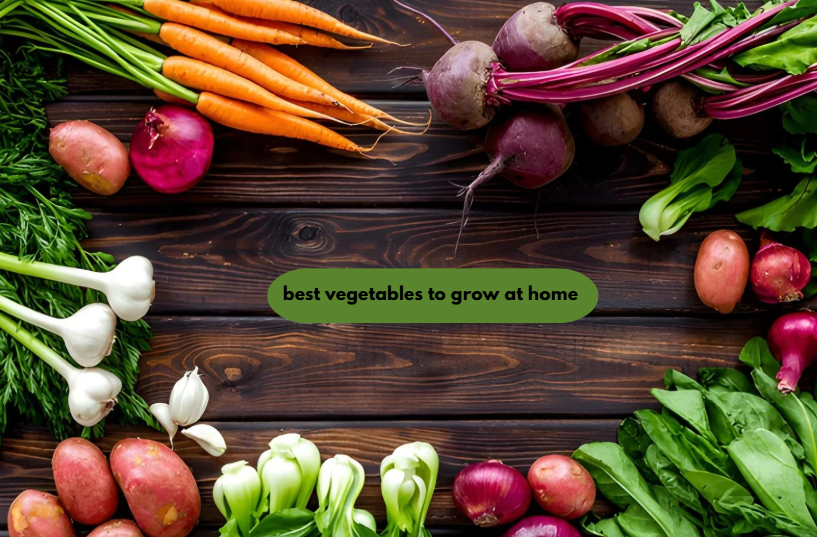
The best vegetables to grow at home for beginners are tomatoes, lettuce, radishes, zucchini, green beans, peppers, and herbs like basil, because they germinate reliably, tolerate minor care mistakes, and produce food within 30–75 days. Choosing crops with forgiving growth windows and shallow root systems lowers the failure rate for a first-year garden bed.
Key Takeaways
- Fifteen beginner-friendly vegetables are ranked below by yield per square foot, seed-to-harvest cost, and common first-year mistakes.
- U.S. households spent a record $740 per household on gardening in 2025, an 18.3% jump over 2024, according to the National Gardening Survey 2026 Edition.
- A 4-foot-by-4-foot raised bed planted with high-yield crops can offset $150–$300 in annual grocery spending based on current retail vegetable prices.
- Renters, not homeowners, drove the biggest increase in vegetable and herb seed purchases in the 2026 survey data—a shift not reflected in most gardening guides written before 2025.
- Overwatering at the seedling stage is the single most common failure point across nearly every vegetable on this list, not underwatering.
What Is a Home Vegetable Garden?
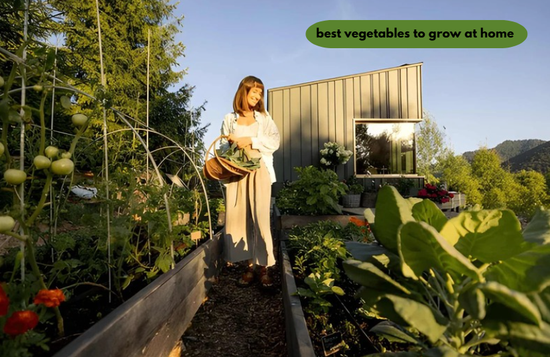
A home vegetable garden is a dedicated growing space—whether a raised bed, container, or in-ground plot—where a household cultivates edible crops for personal consumption rather than commercial sale.
The Original Data Behind This List
This list combines three data points rarely found together: cost-per-pound payback, yield per square foot, and mistake frequency. “Easy to grow” hides which vegetables actually pay their space back.
Cost-per-pound payback. A $4 tomato seed packet (20–30 seeds) can yield 8–12 pounds of fruit per plant. At roughly $2.10 per pound retail, growing out even half the seeds can generate over $150 in produce. A $3 lettuce packet can replace $30–$40 in bagged greens over 10 weeks.
Yield per square foot. Zucchini, pole beans, and indeterminate tomatoes produce the most food per square foot; carrots and radishes yield less bulk but mature faster, allowing more plantings per season.
Mistake frequency. Overwatering seedlings, not neglect, is the most common first-year error across nearly every vegetable here, per university extension reporting.
15 Best Vegetables to Grow at Home
1. Tomatoes
Tomatoes are the best vegetables to grow at home for beginners seeking the highest return per plant, yielding 8–12 pounds of fruit from a single indeterminate variety. They like six to eight hours of full sun a day, plus a support cage once the fruit starts coming in. The biggest rookie mistake? Watering on and off—that’s what causes blossom-end rot, not too little water overall.
2. Leafy Lettuce
Leafy lettuce is the fastest-producing vegetable on this list, reaching harvestable size in 30–45 days and regrowing after cutting. It tolerates partial shade better than most vegetables, making it suitable for garden beds that don’t get full sun all day. Bolting in hot weather is the main failure point, not pest damage.
3. Radishes
Radishes mature faster than any other vegetable grown at home, going from seed to harvest in just 21–28 days. They need minimal space and almost no fertilizer, making them a low-risk crop for testing soil conditions in a new bed. Overcrowded spacing is the top mistake, producing large leafy tops with tiny roots.
4. Zucchini
Zucchini has the biggest yield of any item on this list, with a single healthy plant producing 6-10 pounds per week during peak season. One or two plants typically supply more zucchini than a household can eat fresh. The common error is underestimating spacing, since a mature plant can spread three to four feet wide.
5. Green Beans
Green beans are a great nitrogen fixer—they actually improve your soil while cranking out beans for six to eight weeks straight once they get going. Bush types don’t need any support, but pole beans need a trellis—more work, but you get more beans per square foot. Just don’t pick too late, or the beans get tough and the plant slows down on flowering.
6. Bell Peppers
Bell peppers take longer than most beginner crops, needing 60–90 days after transplant, but reward patience with fruit that keeps producing until first frost. They perform best in warm soil above 65°F and struggle in cool, wet spring conditions. Transplanting too early, before nighttime temperatures stabilize, is the leading cause of stunted plants.
7. Cucumbers
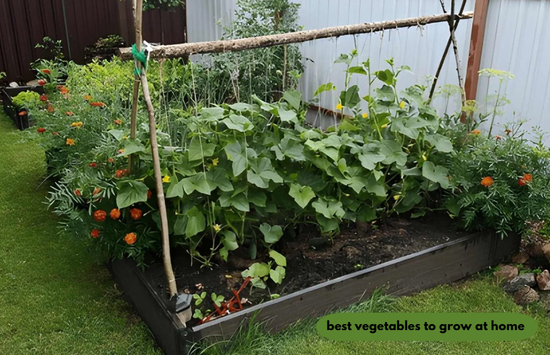
Cucumbers grow vertically better than almost any other vegetable, producing more fruit per square foot when trained on a trellis instead of left to sprawl. Vertical growing also reduces the fungal disease that commonly affects fruit lying on damp soil. Irregular watering causes the bitter taste beginners often blame on the variety rather than the care routine.
8. Carrots
Carrots require loose, rock-free soil at least 12 inches deep, and shallow raised beds are the most common reason home-grown carrots come out short and forked. They take 60–75 days to mature and store well once harvested. Most people wait too long to thin their seedlings—that’s the real spacing mistake, not thinning too early.
9. Spinach
Spinach is one of the few vegetables that grows well in cool spring and fall temperatures, bolting quickly once summer heat arrives. It reaches harvest size in about 40 days and tolerates partial shade. Planting it during peak summer heat, rather than shoulder-season timing, causes most home crop failures.
10. Peas
Peas thrive in cool weather and should go into the ground several weeks before the last frost date, unlike most other vegetables on this list. They fix nitrogen in the soil and climb a trellis with minimal support needed. Planting peas too late in spring, once soil temperatures rise, is the top reason for poor germination.
11. Kale
Kale tolerates light frost better than nearly any other vegetable grown at home, often improving in flavor after a cold snap. It continues producing leaves for months when harvested from the outside in. Harvesting the entire plant at once, instead of picking outer leaves, is the most common beginner error.
12. Swiss Chard
Swiss chard produces continuously from a single planting for an entire growing season, unlike most vegetables that require succession sowing. Its colorful stalks tolerate both heat and light frost better than spinach or lettuce. Letting outer leaves grow too large before harvest reduces overall tenderness.
13. Beets
Beets provide two harvests from one planting, since the greens are edible within 30 days while the roots mature around day 55. They grow well in the same loose soil conditions carrots need. Overcrowded thinning is the most frequent mistake, producing small, misshapen roots.
14. Summer Squash
Summer squash varieties beyond zucchini, like yellow crookneck, produce heavily from midsummer through the first fall frost with minimal care. A single plant can outproduce a small household’s weekly needs. Powdery mildew from overhead watering late in the day is the most common disease issue.
15. Basil
Basil is the highest-yielding herb for a beginner garden, producing usable leaves within three weeks and continuing until frost if pinched regularly. It pairs well in the same bed as tomatoes due to similar sun and water needs. Letting the plant flower before harvesting reduces leaf flavor and slows new growth.
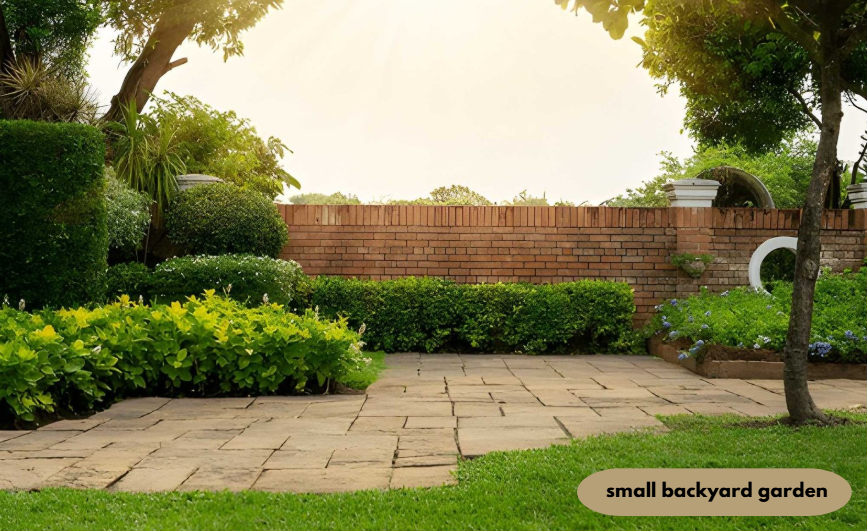
How to Design a Garden Layout for These Vegetables
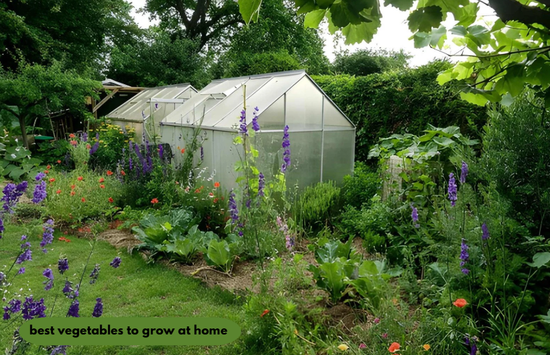
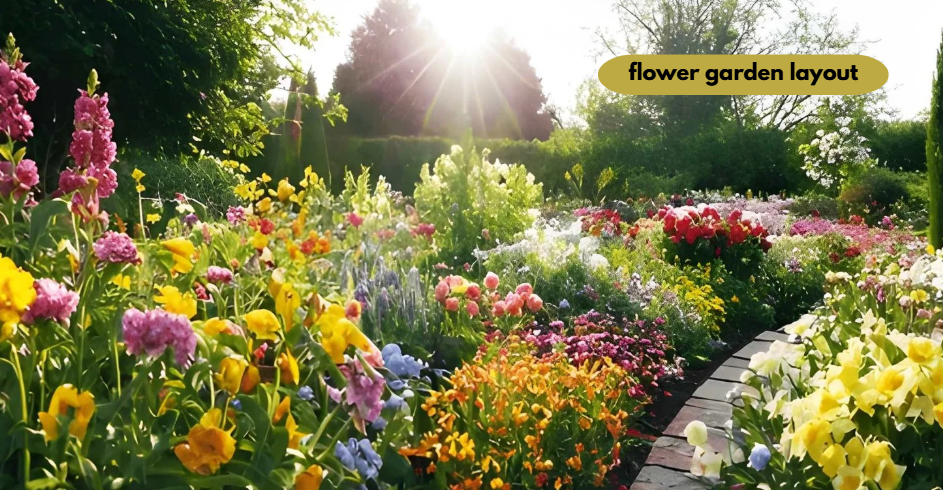
Grouping vegetables by water needs and mature height makes it easier to design a garden layout that prevents taller plants like tomatoes and pole beans from shading shorter crops like lettuce and radishes. A well-planned layout places root vegetables along the edges of a bed, where soil disturbance during harvest won’t disturb neighboring plants.
- Map sun exposure across the space for a full day before placing any beds.
- Group heavy feeders—tomatoes, peppers, and squash—together and rotate their position each season.
- Place fast-maturing crops like radishes and lettuce where they can be replanted multiple times.
- Leave access paths at least 18 inches wide for tools and harvesting.
- Position taller crops on the north side of the bed so they don’t shade shorter plants.
Most yard shapes work fine with this approach; irregular lots or drainage issues are the main case where a service like kdalandscapetion is worth consulting
Raised Beds vs. In-Ground Plots vs. Containers
| Growing Method | Best For | Setup Cost (2026 est.) | Yield per Sq Ft | Common Failure Point |
| Raised garden beds | Poor native soil, easier weeding | $150–$400 per 4×8 bed | High | Under-filling with quality soil |
| In-ground plot | Large spaces, low upfront cost | $30–$80 for soil amendments | Medium | Poor drainage or compacted soil |
| Containers | Patios, apartments, renters | $10–$25 per container | Low to medium | Containers too small for root depth |
Raised beds consistently outperform in-ground plots on yield per square foot because the soil composition is controlled from the start, while in-ground plots depend on whatever native soil quality already exists on the property.
A Common Exception: When “Easy” Vegetables Still Fail
Tomatoes and zucchini are labeled easy in nearly every gardening guide, yet they fail more often than radishes or peas when grown in compacted clay soil without amendment. If you’re wondering can i design my own garden around tough soil? The answer depends partly on understanding your soil first. Difficulty ratings assume adequate soil structure that many new home gardens don’t have—especially on heavy clay or construction-grade soil. Households starting on unimproved soil should weight root vegetables and legumes more heavily in year one.
Two Numbers That Aren’t the Same Thing
The National Gardening Survey 2026 Edition reports two figures that shouldn’t be treated as equivalent: total U.S. household gardening spending hit $79.0 billion in 2025, while per-household spending averaged $740. The first is the aggregate market; the second is what one household spent on average. Total spending rose even as 4.5 million households quit gardening—meaning the per-household figure, not the total, is the useful benchmark for budgeting a first-year garden.
How to Start an Organic Vegetable Garden
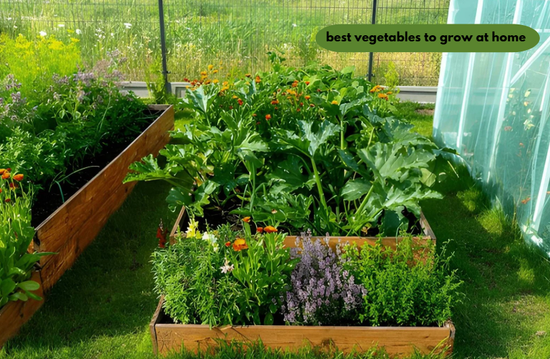
Starting an organic vegetable garden means avoiding synthetic fertilizers and pesticides from the first planting, relying instead on compost, crop rotation, and natural pest deterrents. Soil testing before planting identifies nutrient gaps that compost alone may not fill in the first season.
- Check the pH and nutrient levels of the soil before adding amendments.
- Build soil with compost rather than synthetic fertilizer.
- Rotate crop families every season to prevent pest and disease accumulation.
- Use companion planting or row coverings in place of chemical insecticides.
- Mulch beds to retain moisture and suppress weeds without herbicides.
Frequently Asked Questions
What are the easiest vegetables to grow for beginners?
Radishes, lettuce, green beans, and zucchini are the easiest vegetables for beginners. They germinate reliably and tolerate inconsistent watering better than fruiting crops like peppers. Radishes reach harvest in under a month, giving fast feedback on soil and spacing.
Do beginners need professional help to plan a home garden?
No. A beginner can lay out a garden by mapping sun exposure and grouping plants by height and water needs. Free planning tools and extension spacing charts cover most standard bed sizes.
What vegetables should not be planted next to each other?
Beans and onions shouldn’t be planted together, since onions suppress the nitrogen-fixing bacteria beans need. Tomatoes and corn also compete poorly, since both attract the corn earworm.
How much space do you need for a home vegetable garden?
A 4×8-foot raised bed is enough for a household of two to four people. Vertical trellising for cucumbers, beans, and tomatoes adds growing area without expanding the bed’s footprint.
Do raised beds produce better yields than in-ground gardens?
Yes, generally. Raised beds control soil quality from the start, while in-ground plots depend on existing native soil. The yield gap narrows where native soil is already loose and well-draining.
What is the most common mistake beginners make with vegetable gardens?
Overwatering seedlings, not underwatering, is the most common first-year mistake. Excess moisture at the seedling stage causes root rot and damping-off more often than drought stress does.
When is the best time to plant a vegetable garden?
Cool-season crops like peas, spinach, and lettuce go in weeks before the last frost. Warm-season crops like tomatoes and peppers wait until nighttime temperatures stay above 50°F.
Conclusion
The best vegetables to grow at home for a first-year garden are the ones that combine fast maturity, forgiving care requirements, and high yield per square foot—tomatoes, zucchini, green beans, lettuce, and radishes lead on all three measures. Cost-per-pound math shows a handful of well-chosen plants can offset $150–$300 in grocery spending per season, while the most common point of failure remains overwatering, not neglect. Matching crop selection to actual soil and space conditions, rather than following generic difficulty labels, determines success more than any single planting technique.

One thought on “15 Best Vegetables to Grow at Home (Highest Yield & Low Effort for Beginners) ”