Learning how to design a garden KdAGardenation style starts with mapping sun, water, and foot traffic. Keep beds under 4 feet wide and connect them with 3-foot paths. Pick plants suited to your hardiness zone, add one focal point, and build in stages so costs and upkeep stay under control.
Key Takeaways
- A garden plan begins with a scaled site map that records sun hours, slope, drainage, and the routes people already walk.
- Beds 4 feet wide or less can be reached from both sides without stepping on and compacting the soil.
- Main paths need at least 3 feet of clear width for a wheelbarrow, and 4 feet lets two people pass.
- Plants matched to your current hardiness zone survive winter more reliably than plants chosen from photos.
- Building in two or three phases spreads the cost and lets you correct layout mistakes before they become permanent.
What Is Garden Design?
Garden design is the process of deciding where beds, paths, plants, seating, and features go in an outdoor space so it looks unified, suits the site, and stays practical to maintain.
How to Design a Garden KdAGardenation Style: 7 Practical Tips
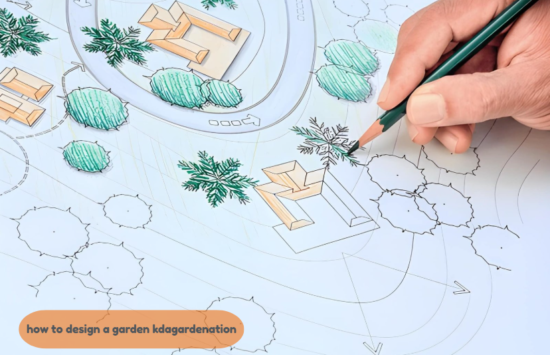
The seven steps below move from site facts to structure to finishing details. Follow them in order, because each decision limits the next one.
- Map the site before buying anything. Draw your yard to scale on graph paper, one square per foot, and mark sun and shade at 9 a.m., noon, and 3 p.m. Add downspouts, soggy spots, and utility lines, and call 811 before you dig.
- Decide what the space is for. Rank your top two uses, such as growing food, entertaining, play, or quiet sitting. Every later choice should serve those two uses first.
- Lay out paths and hard edges first. Paths are the skeleton of good garden design, so place them where people already walk, then fit beds around them.
- Size beds for reach. Keep beds 3 to 4 feet wide when you can reach from both sides. Wider beds force you to step on the soil, which packs it down and slows root growth.
- Plant in layers. Set trees and shrubs first, then perennials, then groundcovers. Group perennials in odd numbers, such as 3 or 5, so they read as one mass.
- Give each view one focal point. A garden bench, a birdbath, or a single small tree gives the eye a place to land. Two competing focal points in one view make a yard feel cluttered.
- Plan water and upkeep. Group plants by water needs, run drip lines to beds, and spread 2 to 3 inches of mulch to hold moisture and block weeds.
How Do You Design a Garden Layout That Actually Works?
A working layout puts the sunniest ground to the plants that need it most and keeps paths on the routes people already use. Get those two things right and the rest of the plan falls into place.
Start With Sun and Traffic
Full sun is at least six hours of direct light a day, part sun is three to six hours, and shade is less than three. Vegetables and most flowering perennials belong in full sun, so reserve that space for them before placing patios or sheds.
Good Garden Layout Planning also follows foot traffic. If family members cut across the lawn to reach the gate, put a path there instead of fighting the habit. Before you design a garden layout on paper, walk the yard for a week and note where grass is worn.
Designing Garden Beds for Reach and Drainage
When designing garden beds against a fence or wall, leave an 18- to 24-inch strip behind the bed for maintenance access. Raised beds 8 to 12 inches deep drain faster than ground-level beds, which matters on clay soil that stays wet after rain.
Curved bed edges suit informal yards, while straight edges suit formal or modern homes. Pick one style and repeat it across the yard so the design reads as a single plan.
What Does a Small Backyard Garden Cost to Build?
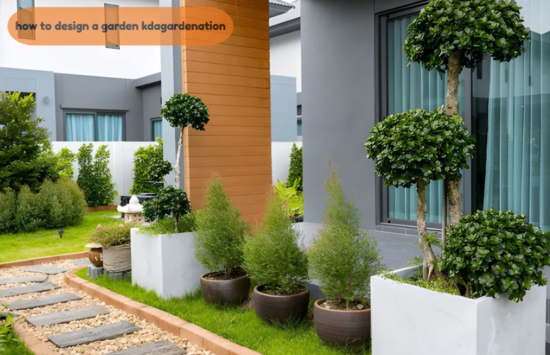
A small DIY garden with two raised beds, mulched borders, and gravel paths typically costs a few hundred dollars in materials before plants and soil. The table shows typical U.S. prices for common items.
| Item | Typical U.S. Cost | Best For | Source |
| Wood raised bed kit | $148.12 average | DIY vegetable beds | LawnStarter, raised garden bed pricing guide |
| Bulk mulch | $20 to $80 per cubic yard | Borders and bed tops | HomeAdvisor, mulching cost guide 2025 |
| Bulk mulch delivery | $50 to $100 flat fee | Orders over 1 cubic yard | HomeAdvisor, mulching cost guide 2025 |
| Gravel | $25 to $55 per cubic yard | Paths and dry areas | Fixr, mulching cost guide 2025 |
| Basic landscaping service | $4.50 to $12 per square foot | Hiring out planting and bed installation | SoFi, landscaping cost guide citing Angi |
| Landscape designer | $50 to $150 per hour | Consultations and partial plans | Lawn Starter, a landscape design cost guide |
Worked Example: A 20-by-20-Foot Backyard Plan
Take a 400-square-foot space divided into two 4-by-8-foot raised beds (64 sq ft), an 8-by-8-foot seating pad for a garden bench (64 sq ft), a 200-square-foot perennial border, and 72 square feet of gravel paths.
The math works out like this:
- Two wood bed kits: about $296.
- Mulch for the border at 3 inches deep: 50 cubic feet, or about 2 cubic yards, costing $90 to $260 with delivery.
- Gravel for paths at 2 inches deep: 12 cubic feet, or half a cubic yard, costing $13 to $28.
- Materials subtotal: $399 to $584, before soil, plants, and the bench.
According to the National Gardening Association’s 2026 National Gardening Survey, U.S. gardening households spent a record $740 each on average in 2025. That figure covers a full year of all lawn and garden purchases, not a single project, so this layout’s materials alone would use 54% to 79% of a typical household’s annual garden spending. Build the beds and paths in year one and add the border plants in year two to keep each season’s cost in range.
Which Plants, Landscape Ideas, and Garden Decorations Suit Your Region?
The right plants are the ones rated for your winter low temperatures, your rainfall, and your soil. Check your zone first, then choose decorations that repeat the colors and materials of your house.
According to the U.S. Department of Agriculture’s 2023 Plant Hardiness Zone Map, about half the country moved into a half-zone warmer than on the 2012 map. Look up your ZIP code on the current map before buying perennials, because a plant list you saved several years ago can now be off by half a zone.
Strong landscape ideas for most regions include a native-plant pollinator strip, a dry creek bed that carries downspout water away from the house, and a foundation planting set 3 feet out from the walls. These ideas for landscaping cut watering and mowing time once plants are established.
For garden decoration, limit hard materials to three, such as wood, gravel, and one metal finish. Place a garden bench where it faces the best view and sits in afternoon shade during summer.
Can I Design My Own Garden, or Should I Hire a Pro?
Yes, most homeowners can design a small, flat yard themselves with graph paper, a tape measure, and a week of sun observations. Hire a professional for steep slopes, drainage problems, or retaining walls that need permits.
If you’re asking “can I design my own garden” to save money?” the numbers support it. HomeAdvisor’s 2025 cost guide puts the average landscape designer fee at $4,576, which is 8 to 11 times the material cost of the 400-square-foot plan above. A one-hour consultation on your own sketch gives better value.
The most common DIY mistake is crowding plants. Space them by the mature width on the tag and fill early gaps with annuals.
One exception to the 4-foot bed rule: beds reached from one side, or built for gardeners who can’t kneel, should be 2 to 2.5 feet wide, with wheelchair-height beds 24 to 30 inches tall.
Frequently Asked Questions
What is the first step in designing a garden?
The first step in designing a garden is creating a scaled site map on graph paper to record sun exposure, slope, drainage, and existing foot traffic patterns before buying any plants or materials. Every bed, path, and seating area depends on what that map shows.
How wide should a garden path be?
Make main garden paths at least 3 feet wide, or 4 feet if two people will walk next to each other. Secondary paths between beds can be 18 to 24 inches wide.
What is the best layout for a small garden?
The best small-garden layout uses one clear path, beds along the sunniest edges, and a single focal point. Keeping the center open makes a small yard feel larger. Vertical trellises add growing space without using ground area.
Are raised beds better than in-ground beds?
Raised beds are better for clay soil, poor drainage, and gardeners who want less bending. In-ground beds cost less and hold moisture longer in hot, dry climates. KdAGardenation suggests raised beds for vegetables and in-ground beds for shrubs and perennials.
When is the best time to plant a new garden?
In most parts of the U.S., fall is the ideal season to plant trees, shrubs, and perennials. Together, cool air and warm soil give roots time to settle in before winter comes. Plant warm-season vegetables in spring after your last frost date.
Conclusion
How to design a garden KdAGardenation style comes down to mapping the site, building paths and beds before plants, and choosing species for your zone. Start with a scaled plan, build in phases, and let one focal point anchor each view. A garden planned this way costs less to build and takes less time to maintain.

One thought on “How to Design a Garden KdAGardenation: 7 Practical Tips for a Beautiful Garden ”