A balcony garden is a small-scale growing space on an apartment balcony that uses containers, railing planters, or vertical systems instead of ground soil, combining herbs, vegetables, and flowering plants to fit limited square footage while getting adequate sunlight and drainage.
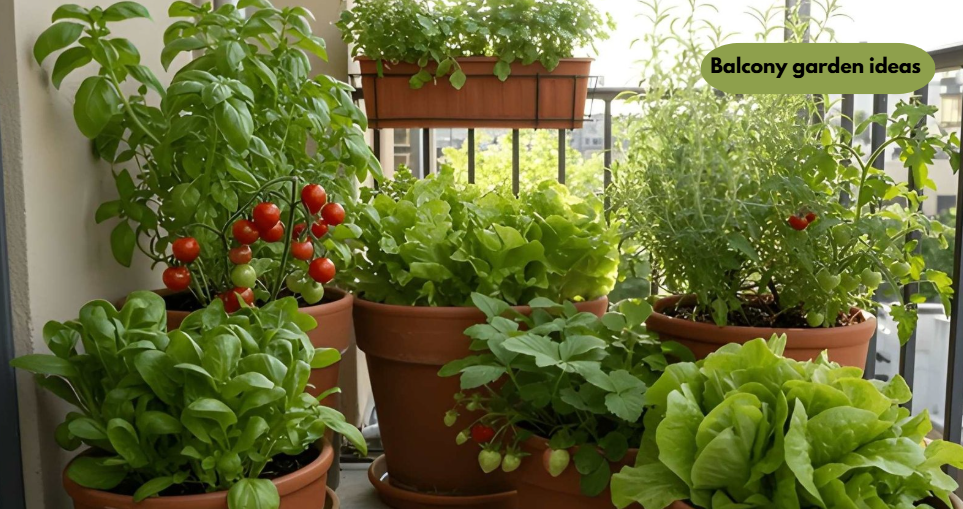
One of the fastest-growing trends in US apartment living is Balcony garden ideas , particularly in areas with limited outside space and rising rent. If you’re searching for balcony garden ideas, you’re probably working with 20 to 80 square feet — genuinely enough room to grow a surprising amount of food and greenery once you understand how to lay things out.
How much space do I need for a balcony garden?
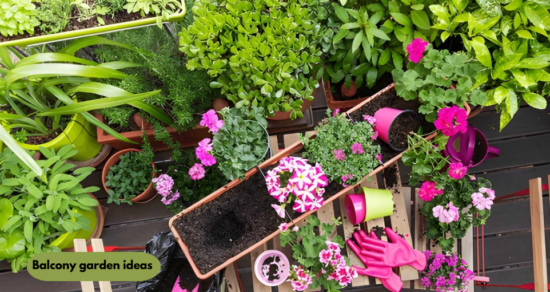
You can start a functional balcony garden in as little as 15 to 20 square feet of usable floor space.
Most standard apartment balconies fall somewhere between a narrow 4×6-foot ledge and a wider 8×10-foot patio-style layout. What matters more than total square footage is how you use the vertical space above the railing and walls, since that’s where a lot of small-balcony gardeners end up doubling their actual growing area without adding a single extra pot on the floor.
What is the best direction for a balcony garden to face?
Sun exposure shifts quite a bit depending on which way your balcony faces, so it helps to know what each direction supports best.
- South-facing balconies get the most consistent sunlight, making them ideal for vegetables and flowering plants.
- East-facing balconies catch gentle morning light, which suits leafy greens and herbs that tend to wilt in harsh afternoon sun.
- West-facing balconies get hot afternoon light that’s great for tomatoes and peppers but tough on young seedlings.
- North-facing balconies get the least sun, so they work best for shade-tolerant plants like ferns, hostas, and mint.
Balcony Garden Ideas: Space-Saving Layouts
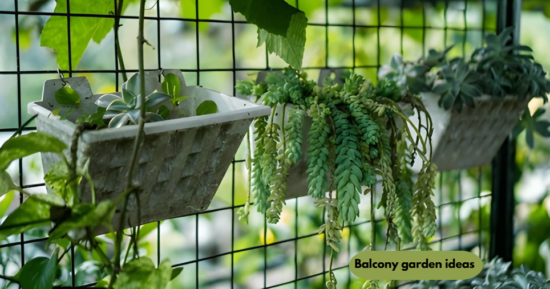
Once you know your sunlight situation, the next step in any solid balcony garden idea is figuring out how to design a garden layout kdagardenation recommends without eating up your walking space. This style of layout planning focuses on making the most of limited space, so a thoughtful arrangement can turn a cramped ledge into something that feels like an actual garden room.
What is the best layout for a small balcony garden?
The best layout for a small balcony combines vertical shelving, railing-mounted planters, and corner staging to keep the floor clear for movement.
A few layout approaches consistently work well in tight apartment spaces.
- Railing planters hang right on the rail, so pots never touch the floor and your walking space stays clear.
- Tiered plant stands let you stack pots vertically against a wall, fitting more plants into less floor space.
- Corner shelving turns that one dead corner most people ignore into real growing space.
- Hanging baskets work well for trailing plants like cherry tomatoes or strawberries once the floor and rail are full.
Can I design my own garden without hiring a professional?
Yes, most apartment balcony gardens are simple enough to design yourself using basic measurements and sunlight observation; no landscaping background is required.
If you’re wondering, can i design my own garden kdagardenation? The answer is yes for most small balcony spaces.
You mainly need your balcony’s dimensions, an honest read on daily sun hours, and a sense of your building’s weight and railing limits. The rest is trial and error with plant placement. On my own 5×8-foot balcony, I started with three railing boxes for basil and mint, then added a three-tier rack for strawberries once I realized I had extra wall space.
Best Plants for Balcony Gardens in Small Apartments
Choosing the right plants matters more in apartment gardening than almost any other factor, because a plant that needs six hours of direct sun simply won’t thrive on a shaded north-facing ledge no matter how well you’ve arranged your containers.
What plants grow best on a balcony with limited sun?
Shade-tolerant plants like ferns, begonias, mint, and lettuce grow well on balconies that receive less than four hours of direct sunlight.
A few reliable low-light options:
- Leafy greens like spinach and lettuce handle partial shade fine and still give you a harvest within a few weeks.
- Herbs like mint, chives, and parsley tolerate low light better than sun-hungry basil or rosemary.
- Shade-loving flowers like impatiens and begonias add color without needing a south-facing spot.
What vegetables can I grow in a small balcony garden?
Compact vegetables like cherry tomatoes, peppers, radishes, and bush beans are among the best choices for small balcony containers.
Dwarf and patio varieties bred for containers tend to do better in tight spaces than standard full-size plants. Because they can mature in as little as three to four weeks, radishes are particularly beneficial for novice gardeners, providing them with a quick confidence boost before committing to slower crops like tomatoes. If you’re completely new to growing food, our guide on How to Start a Veggie Garden from Scratch walks you through the basics before you choose your first plants.
Container Gardening vs. Raised Beds vs. Vertical Systems
Not every balcony setup calls for the same growing method, and this is one of the few places where a direct comparison genuinely helps people decide. Container gardening tips for small spaces and patios usually start right here, with picking the format that matches your balcony’s size and weight limits.
| Method | Best For | Space Needed | Relative Cost |
| Container gardening | Herbs, small vegetables, flowers | Low, fits any balcony size | Low to moderate |
| Raised garden beds | Larger vegetable harvests | Requires more floor space | Moderate to high |
| Vertical systems | Maximizing wall or rail space | Minimal floor footprint | Low to moderate |
Is container gardening better than a raised garden bed for apartments?
For most apartment balconies, container gardening is the better choice because raised beds require more floor space and added structural weight than typical balconies can safely support.
Containers also give you the flexibility to move plants around as the sun shifts through the seasons, which a fixed raised bed simply can’t offer.
What Should I Look for When Buying Balcony Garden Supplies?
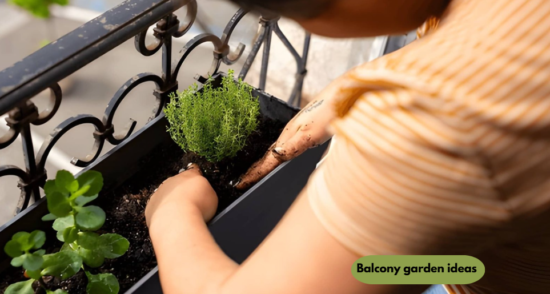
Buying the right basics upfront saves you from replacing cracked pots or root-bound plants a few months in.
What size pot do I need for balcony vegetables?
Most balcony vegetables need at least a 5-gallon container, while larger plants like tomatoes do better in 10 to 15-gallon pots.
Herbs and smaller greens can get by with containers as small as one to two gallons, so it’s worth matching pot size to the specific plant rather than buying one uniform size for everything.
Do balcony planters need drainage holes?
Yes, drainage holes are essential for balcony planters because standing water leads to root rot and can damage the balcony surface below.
Look for pots with holes already built in, or drill your own into existing containers. Adding a drainage tray underneath protects flooring and keeps things tidy for downstairs neighbors, which matters more than people expect in shared apartment buildings.
Common Balcony Garden Problems and How to Fix Them
Even a well-planned balcony garden runs into a few predictable issues, and knowing the fix ahead of time saves a lot of frustration.
Why are my balcony plants dying so fast?
The most common causes of balcony plant death are inconsistent watering, poor drainage, and wind exposure that dries out soil faster than expected.
Balconies tend to get more wind than ground-level gardens, which pulls moisture out of containers much quicker. Checking soil moisture daily during hot months, rather than sticking to a fixed watering schedule, solves this for most people.
How much weight can an apartment balcony hold for a garden?
Most residential balconies are rated to hold between 50 and 100 pounds per square foot, though this varies by building and should be confirmed with your property manager.
Wet soil in large containers adds up fast, so it’s smart to distribute weight near the balcony’s structural edges rather than clustering everything in the center.
Why a Balcony Garden Is Worth Building
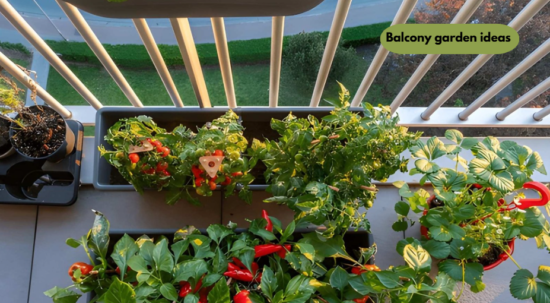
Beyond the practical side, there’s a real case for why gardens are important kdagardenation ,even small ones squeezed onto an apartment ledge. Time spent gardening has been linked to measurable reductions in stress and improved mood. Growing even a portion of your own herbs and vegetables also cuts down on grocery trips and food waste, since you’re only harvesting what you need when you need it.
A balcony full of plants also softens the hard edges of apartment living, giving you a small patch of green in a space that’s otherwise all concrete and glass.
Frequently Asked Questions
Can I have a balcony garden if I rent my apartment?
Yes, most renters can have a balcony garden as long as they use containers and avoid permanent fixtures that violate the lease agreement.
How do I water a balcony garden when I travel?
Self-watering containers or a simple drip irrigation system on a timer can keep a balcony garden hydrated for a week or more without daily attention.
What is the cheapest way to start a balcony garden?
Starting with basic containers, potting soil, and seeds instead of established plants is the cheapest way to begin a balcony garden.
Do balcony gardens attract pests?
Balcony gardens can attract common pests like aphids, but they’re generally less prone to infestation than ground-level gardens thanks to their elevation and controlled soil.
Final Thoughts
A balcony garden doesn’t need to be elaborate to work. Most of the balcony garden ideas that actually succeed in small apartments come down to matching plant choice to sunlight, keeping containers appropriately sized, and staying consistent with watering rather than chasing an ambitious layout that’s hard to maintain. Start small, with two or three pots you can realistically manage, and expand once you’ve got a feel for how your specific balcony behaves through the seasons. If you’re ready to begin, pick one sunny corner of your balcony this weekend and get a single herb or vegetable container going before adding anything else.