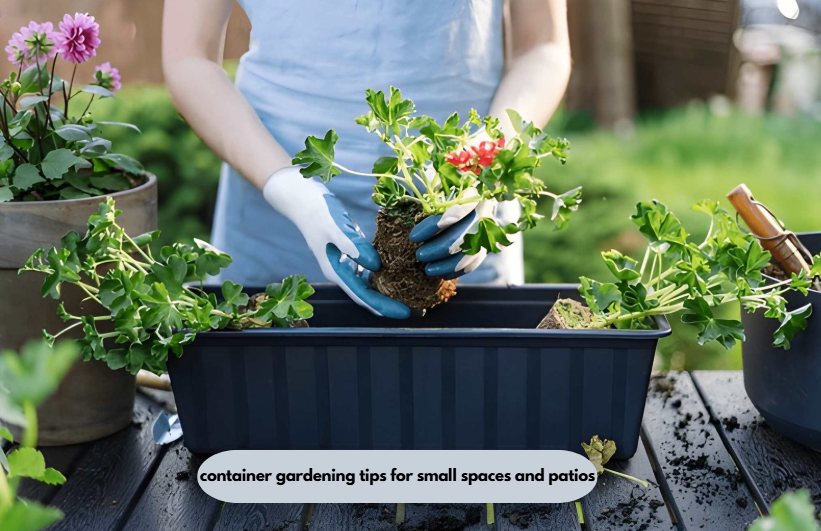
Container gardening means growing plants in pots, buckets, or other portable vessels instead of directly in the ground, and it works especially well for small spaces because it lets you control soil quality, sunlight exposure, and placement without needing a yard at all.
What Is Container Gardening and Why Does It Work for Small Spaces?
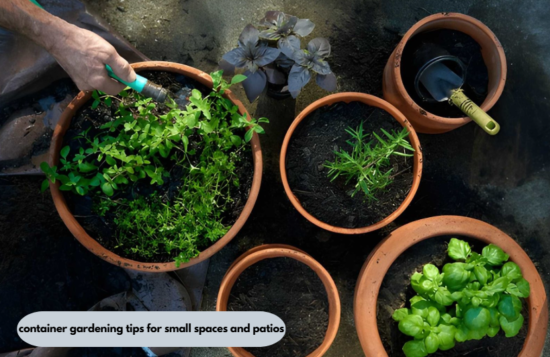
If you’ve got a balcony, a tiny patio, or even just a sunny windowsill, container gardening tips for small spaces and patios usually start with the same idea: work with what you have instead of wishing for more square footage.
A pot on a stoop can grow tomatoes just as well as a raised bed can, provided the container gets enough light and water. The real advantage here is flexibility. You can move a struggling plant into better sun, rearrange your whole setup in an afternoon, or bring tender herbs indoors before the first frost.
Data from the National Gardening Association shows container and indoor gardening surging in popularity—especially among renters and apartment dwellers looking to grow food in compact spaces.
How Do You Choose the Right Containers for a Patio Garden?
What size pot do I need for a small patio garden?
Most vegetables and flowering plants need at least a 12-inch diameter pot to develop a healthy root system. Shallow-rooted herbs like basil or thyme can get by with something smaller, maybe 6 to 8 inches deep, but anything that produces fruit, like peppers or tomatoes, really wants that extra depth and width to avoid drying out too fast.
A good rule of thumb is to think about the plant’s mature size, not its size at the nursery, since a tomato seedling in a tiny 4-inch cup will outgrow that space within weeks.
What materials are best for outdoor containers?
Terracotta, plastic, fabric grow bags, and wood all work fine for patio containers, and the best choice really depends on your climate and how often you’re willing to water.
- Terracotta pots breathe well and look great, though they dry out faster in hot weather and can crack if you get a hard freeze.
- Plastic containers hold moisture longer and weigh less, which matters if you’re gardening on a balcony with weight restrictions.
- Fabric grow bags have become popular because they prevent roots from circling the pot and they fold flat for storage during winter.
- Wood planters give a natural look and decent insulation for roots, but untreated wood will eventually rot if it’s sitting in constant moisture.
Do containers need drainage holes?
Yes, drainage holes are non-negotiable for container gardening because standing water suffocates roots and invites fungal problems within days. If you fall in love with a decorative pot that doesn’t have holes, drill a few yourself or use it as a cachepot and keep the plant in its original nursery container inside it.
How Do You Design a Small Space Garden Layout?
How do you arrange containers on a small patio?
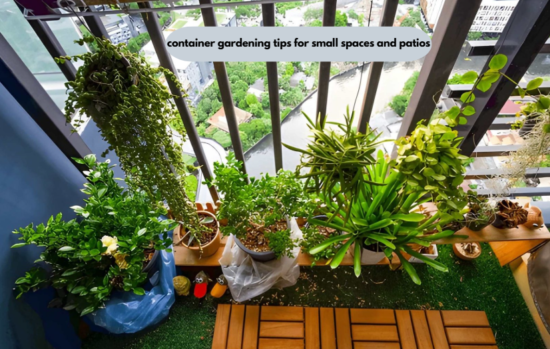
The most space-efficient layouts use vertical tiers, wall-mounted planters, and railing boxes so you’re building upward instead of spreading containers across limited floor space.
This vertical approach fits right into modern principles for how to design a garden layout kdagardenation features, where you treat your patio like a small stage set rather than a flat plot.
Group taller plants toward the back or center, let trailing plants spill over the edges, and leave yourself a clear walking path so the space still feels usable rather than cluttered.
A tiered plant stand can hold three or four pots in the footprint of one, which matters enormously on a balcony where every square foot counts.
What plants work well as hanging plants for patios?
Trailing plants like sweet potato vine, petunias, lobelia, and cascading pothos work beautifully as hanging plants because they fill vertical space without taking up any floor area at all. Herbs like oregano and creeping thyme also do surprisingly well in hanging baskets, and they’re forgiving if you forget to water them for a day or two.
Just remember that hanging containers dry out faster than ground-level pots since they’re exposed to more air movement, so they typically need watering more frequently in summer heat.
What Are the Best Plants for Beginner Container Gardens?
Some plants are just more forgiving than others when you’re still learning the ropes, and starting with these gives you a much better shot at early success.
- Cherry tomatoes tend to be more forgiving than full-size varieties and produce fruit within a compact space.
- Leaf lettuce and spinach grow quickly, tolerate partial shade, and can be harvested repeatedly without pulling the whole plant.
- Herbs like basil, mint, chives, and parsley thrive in containers and reward you with fresh flavor all season.
- Marigolds and zinnias are nearly impossible to kill and bring color to a patio for months.
- Peppers, especially smaller varieties, handle container life well once they get consistent water and full sun.
For instance, on my own 4×8 balcony, switching from standard clay pots to 5-gallon fabric grow bags doubled my cherry tomato yield while saving precious floor space.
How Much Does Container Gardening Cost to Start?
What’s a realistic budget for a beginner container garden?
Depending on how many containers you purchase and whether you begin with seeds or nursery seedlings, a simple beginner setup with a few pots, potting soil, and starter plants usually costs between $50 and $150.
How much does gardening cost really comes down to scale. While setting up a whole patio with six or seven pots, trellises, and high-quality soil might cost up to $200 or more, a single herb pot on a ledge might only cost you $15.
| Setup Type | Estimated Cost | What’s Included |
| Single starter pot | $15 to $25 | One container, potting mix, one plant |
| Small patio setup (3 to 4 pots) | $60 to $100 | Containers, soil, seeds or seedlings, basic fertilizer |
| Full patio garden (6+ pots) | $150 to $250 | Multiple containers, trellises, quality soil, plant variety |
Soil is usually the recurring cost people underestimate, since container plants exhaust nutrients faster than in-ground gardens and need fresh potting mix or fertilizer refreshed each season.
What Common Mistakes Do Beginners Make With Container Gardens?
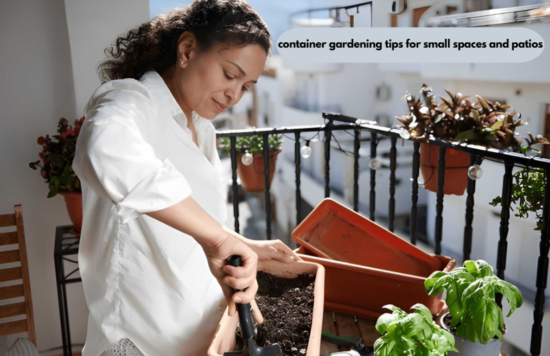
Even people who regularly read up on designing gardens kdagardenation still run into a handful of predictable mistakes once plants are actually sitting out on a hot patio These aren’t beginner-only problems either, but they show up more often when someone’s working with less space and less margin for error.
Why do plants in containers die faster than garden plants?
Container plants dry out and lose nutrients faster than in-ground plants because they have a limited volume of soil with no surrounding earth to buffer moisture and temperature swings. Because of this, the same watering regimen that is effective for a garden bed will frequently cause container plants to get stressed or wilt, particularly during the hot summer months in the South or on a balcony that faces west and bakes all afternoon.
How often should you water container plants on a patio?
Most container plants need watering every one to two days during hot summer months, though this varies based on pot size, material, and sun exposure. A simple finger test works well here: stick your finger an inch into the soil, and if it comes out dry, it’s time to water. Smaller pots and terracotta containers will need more frequent attention than large plastic ones.
Frequently Asked Questions
Can you container garden year-round in most of the U.S.?
Yes, in many regions you can keep herbs and cold-tolerant greens going through fall and winter if you move containers to a sheltered spot or bring them indoors during hard freezes.
What’s the cheapest way to start a container garden?
Starting from seed rather than nursery seedlings, and reusing containers like buckets or storage bins with drilled holes, keeps startup costs under $30 in most cases.
Do container gardens need special soil?
Yes, a quality potting mix designed for containers drains better and resists compaction compared to regular garden soil, which tends to get dense and waterlogged in pots.
How much sunlight do container plants need on a patio?
Most vegetables and flowering plants need at least six hours of direct sun daily, though leafy greens and some herbs tolerate partial shade just fine.
Can container gardens be grown indoors during winter?
Yes, many herbs and smaller vegetable varieties adapt well to a sunny windowsill or grow light setup once outdoor temperatures drop too low.
Final Thoughts on container gardening tips for small spaces and patios
Container gardening tips for small spaces and patios really come down to matching the right pot, plant, and amount of sun to whatever space you’ve actually got, not the space you wish you had. It’s forgiving enough for total beginners, and the mistakes you’ll inevitably make (overwatering, underestimating pot size, forgetting drainage) are all easy to fix once you know what to look for. If you’re just getting started, pick one or two easy plants like basil or cherry tomatoes, grab a decent-sized pot with drainage, and see how they do before you invest in a full patio setup.