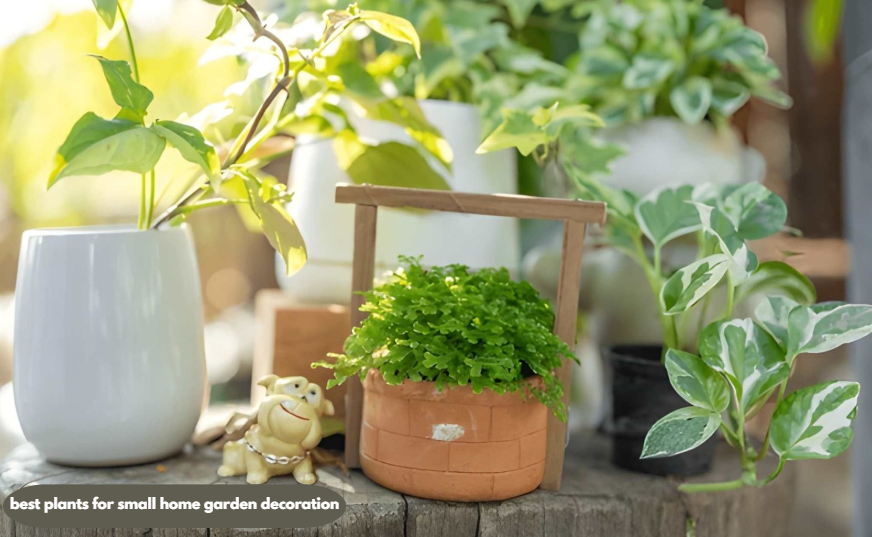
The best plants for small home garden decoration are compact, low-water species like pothos, succulents, and dwarf marigolds that thrive in containers, adapt to limited sunlight, and require minimal upkeep, making them ideal for balconies, patios, and tight yard corners.
What Are the Best Plants for Small Home Garden Decoration?
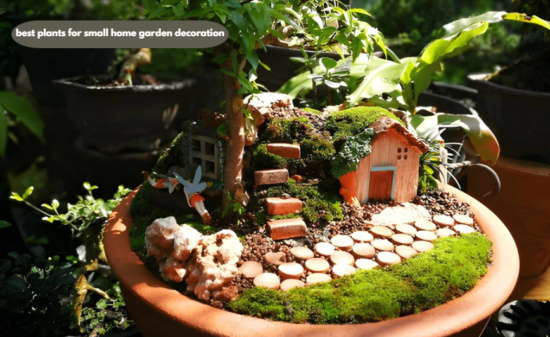
A good small-space plant checks three boxes: it stays compact without constant pruning, it tolerates container life, and it forgives an inconsistent watering schedule.
What Makes a Plant Good for a Small Garden Space?
A plant fits a small garden best when its full size stays within its spot without crowding neighbors. Root depth is just as important as height:
- Shallow-Rooted Options: Herbs, succulents, and leafy greens share pot space easily without competing.
- Deep-Rooted Shrubs: They need serious root room and quickly outgrow small patio planters.
- Dwarf Cultivars: Bred for pots (like mini hostas or dwarf tomatoes), they stay compact and skip the space drama altogether.
How Much Sunlight Do Small Garden Plants Need?
Most small-space plants need four to six hours of direct sunlight daily, though shade-tolerant varieties can manage with indirect light near a window.
South-facing balconies get the most consistent light in most parts of the United States, while north-facing spots usually need shade-loving options like ferns or peace lilies. According to the University of Illinois Extension, matching plant selection to actual light conditions rather than assumed conditions is the single biggest factor in small-garden survival rates.
Can You Grow a Garden With No Yard at All?
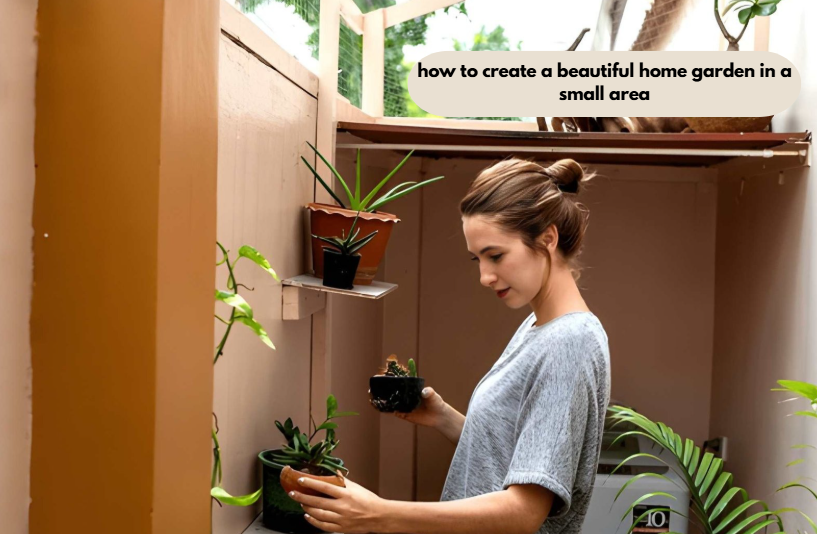
Yes, a full garden is achievable without any yard using containers, hanging baskets, and vertical planters on balconies, porches, or even indoor windowsills.
Apartment dwellers across the country have turned to container gardening specifically because it removes soil quality and yard size from the equation entirely. A collection of pots on a fire escape or a tiered plant stand by a sunny window can produce a surprisingly full look.
Best Hanging Plants for Small Home Gardens
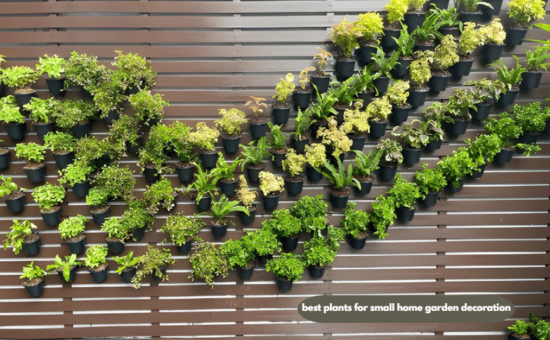
Hanging plants solve the oldest problem in small-space design, which is running out of floor space before you run out of ideas.
Which Hanging Plants Are Best for Beginners?
Pothos, spider plants, and string of pearls are the best hanging plants for beginners because they tolerate irregular watering and low light without dying back.
Pothos in particular has earned a reputation as nearly indestructible, and it was one of the species tested in NASA’s Clean Air Study for its ability to filter indoor air pollutants. Spider plants produce small offshoot plantlets that dangle attractively from the basket, giving a layered look with almost no extra effort.
Do Hanging Plants Need More Water Than Potted Plants?
Yes, hanging plants generally need more frequent watering than ground-level pots because elevated positions expose them to more airflow and faster soil drying.
The smaller soil volume typical of hanging baskets also holds less moisture reserve, so checking the soil every two to three days during warm months prevents the wilting that catches a lot of beginners off guard.
Where Should You Hang Plants for the Best Growth?
Hanging plants grow best in spots that receive bright, indirect light and stay protected from strong wind gusts that can dry out soil quickly.
A covered porch, an eastern-facing window, or a shaded pergola beam all work well. Full afternoon sun tends to scorch delicate hanging foliage faster than it helps growth, so morning light is usually the safer bet.
Easy to Grow Plants vs. High-Maintenance Plants: What’s the Difference?
The gap between easy to grow plants and demanding ones usually comes down to three things: how well it handles a missed watering, whether local bugs leave it alone, and how much grace it gives you when conditions aren’t 100% perfect.
What Are the Easiest Plants to Grow for Beginners?
For a painless start, grab succulents, dwarf marigolds, snake plants, or tough herbs like mint and rosemary. They won’t panic if you forget about them for a few days, and they easily hold their own against common pests.
| Feature | Easy-to-Grow Plants | High-Maintenance Plants |
| Watering frequency | Weekly or less | Multiple times per week |
| Sunlight tolerance | Flexible, adapts to shade or sun | Requires precise light levels |
| Pest resistance | High | Low, needs monitoring |
| Beginner success rate | High | Lower without experience |
Which Plants Should Beginners Avoid?
Beginners should generally avoid orchids, gardenias, and citrus trees since these require narrow humidity, temperature, and feeding schedules to thrive.
These plants aren’t impossible, but they punish small mistakes quickly, which can be discouraging before someone has built up basic plant care instincts.
How to Design a Small Garden Layout for Maximum Impact
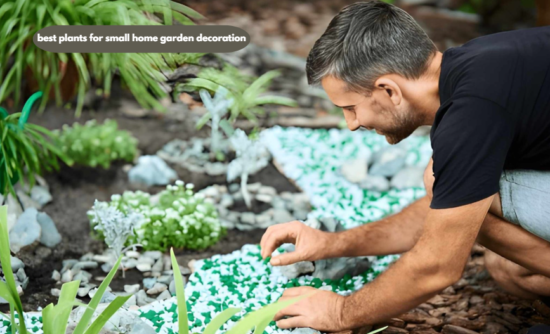
Good design in a small space depends less on how many plants you fit in and more on how deliberately you place them.
How Do You Plan a Garden Layout in a Small Space?
Effective small-space arrangement focuses on visual layering and environmental grouping.
- Group by Resource Needs: Put sun-loving, low-water plants together in one spot. It saves time and stops you from accidentally drowning a succulent while trying to satisfy a thirsty fern.
- Tiered Arrangement: Place taller options toward the back or center, then bring shorter varieties up front. This simple trick adds instant depth so your setup doesn’t look flat.
- Asymmetrical Layouts: Skip the rigid, symmetrical rows. Mixing different textures at staggered heights draws the eye outward, making a cramped patio or balcony feel noticeably bigger.
This is really the foundation of how to design a garden layout kdagardenation, since grouping by need rather than appearance prevents the common beginner mistake of placing a sun-loving plant next to a shade-lover just because they look nice together.
What Is the Best Way to Arrange Plants by Height?
Arranging plants in tiers, with taller specimens at the back or center and shorter ones toward the front or edges, creates visual depth even in a few square feet.
This layering technique is central to designing gardens kdagardenation approaches, because it tricks the eye into perceiving more depth than the actual square footage provides. Vertical shelving, tiered plant stands, and wall-mounted planters all accomplish this without expanding the physical footprint.
How Do You Create a Yard Design That Feels Bigger?
Using varied plant heights, curved pathways, and strategically placed mirrors or light-colored containers can make a small yard feel noticeably larger.
Straight, symmetrical rows tend to shrink the perceived size of a space, while asymmetrical yard designs kdagardenation with a mix of textures and staggered heights draw the eye outward and create the illusion of more room.
Best Plants to Buy for Small Space Gardening
Buying decisions in a small garden matter more than in a large one, since every plant occupies premium real estate.
What Should You Look for When Buying Plants for a Small Garden?
Look for compact or dwarf cultivars specifically bred for container growth, along with a mature size listed on the plant tag that fits your available space.
Nursery tags typically list mature height and spread, and cross-checking that number against your actual container or bed size before buying prevents the overcrowding that shows up six months later.
Are Potted Plants or Ground Plants Better for Small Spaces?
Potted plants generally work better for small spaces because they offer mobility, better drainage control, and the flexibility to rearrange the layout as needed.
Ground planting still has its place for permanent structure, but pots let a small garden evolve season to season without any digging involved.
How Much Does It Cost to Start a Small Home Garden?
A basic small home garden with containers, soil, and starter plants typically costs between fifty and two hundred dollars, depending on container quality and plant selection.
The National Gardening Association has noted that container gardening remains one of the lowest-barrier entry points into home gardening, largely because it avoids the labor and equipment costs tied to traditional in-ground beds.
Common Small Garden Plant Problems and How to Fix Them
Even easy plants run into trouble, and most small-garden failures trace back to a short list of fixable issues.
Why Are My Small Garden Plants Dying?
Overwatering is the most common cause of small garden plant death, since containers drain slower than ground soil and roots can sit in excess moisture.
Checking that pots have proper drainage holes and letting the top inch of soil dry out between waterings solves this problem in most cases.
Why Isn’t My Hanging Plant Growing Properly?
When a hanging plant stops growing, it usually comes down to three culprits: lack of light, cramped roots, or irregular watering caused by being up out of easy reach.
To jumpstart new growth, give the basket a quarter-turn every week or two so all sides get light, and move it to a larger pot if you see roots circling the edges. Keeping up with a consistent watering routine will handle the rest.
How Do You Keep Small Garden Plants Alive in Winter?
Getting your small garden through the winter mostly comes down to slowing things down. Moving containers into a sheltered spot, cutting back on watering, and skipping fertilizer while plants are dormant will keep most varieties alive until spring.
Bring tender, cold-sensitive plants inside before the first frost hits. Hardier perennials can usually stay outdoors as long as you pack a fresh layer of mulch around the base to insulate their roots against freeze-and-thaw cycles.
Frequently Asked Questions
What is the lowest maintenance plant for a small garden?
Snake plants and succulents are the easiest options—their water-storing leaves mean they thrive on neglect and survive long gaps between waterings.
How many plants can fit in a small garden space?
In a ten-square-foot spot, you can comfortably fit six to ten potted plants—just stack them in tiers instead of lining them up flat.
What plants come back every year in small gardens?
Perennials like lavender, hostas, and daylilies bounce back every spring on their own—no replanting required.
Do small gardens need special soil?
Container gardens generally need a well-draining potting mix rather than standard garden soil, since regular soil compacts too easily in confined spaces.
Final Thoughts
There’s no single perfect plant list here, because the right choice always comes down to your actual light, space, and how much time you realistically want to spend on upkeep. For anyone looking for the best plants for small home garden decoration, starting with two or three easy, forgiving plants beats crowding in a dozen finicky ones from day one. Growing the collection becomes much simpler and more enjoyable once those initial plants settle in and you understand their rhythm. If you’re ready to start, pick one sunny spot in your home this week and choose a single container plant that matches the light it actually gets.