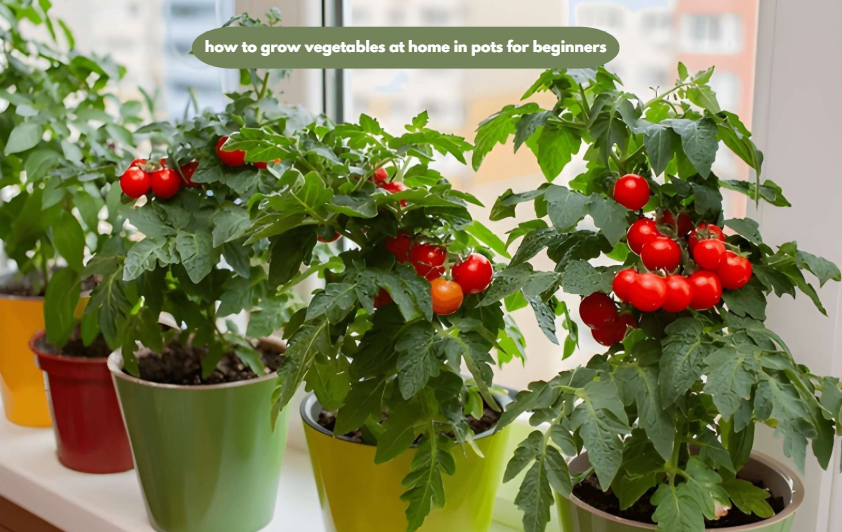
If you’re wondering how to grow vegetables at home in pots for beginners, it comes down to choosing the right size container, using well-draining potting mix, and picking compact varieties suited to limited root space and sunlight. With a sunny spot and a few basic supplies, anyone can harvest fresh produce within weeks.
What Do You Need to Start Growing Vegetables in Pots?
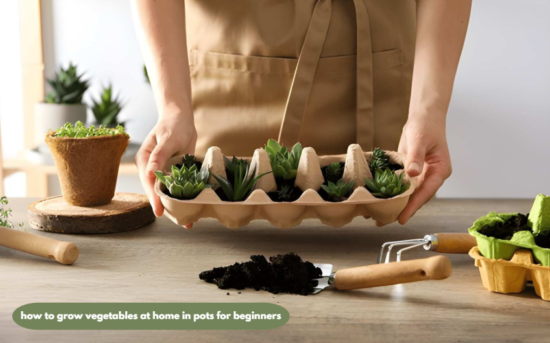
The pot, the soil, and the light matter more than anything else when you’re starting out. Get those three basics right, and most vegetables take care of the rest.
What size pot and soil do vegetables need?
Most vegetables need at least a 5-gallon container filled with a lightweight, well-draining potting mix, not garden soil.
Root depth really decides pot size. Shallow-rooted crops like lettuce and herbs do fine in 6 to 8 inches of soil, while tomatoes, peppers, and cucumbers need closer to 12 to 18 inches to spread out.
The Old Farmer’s Almanac notes that undersized containers are one of the most common reasons beginner vegetable plants stall out, since cramped roots can’t pull in enough water or nutrients. Garden soil compacts inside containers and suffocates those roots, which is exactly what new container gardeners want to avoid.
A quality potting mix stays loose, holds moisture without turning soggy, and comes with starter nutrients already mixed in, which matters most for anyone researching how to start a veggie garden from scratch.
Do pots need drainage holes for vegetables?
Yes, every vegetable pot needs at least one drainage hole to prevent root rot.
Without drainage, water pools at the bottom and roots sit in it, starving them of oxygen. If a decorative pot lacks holes, drilling a few or using it as an outer sleeve around a plastic nursery pot solves the problem.
Which Vegetables Grow Best in Pots for Beginners?
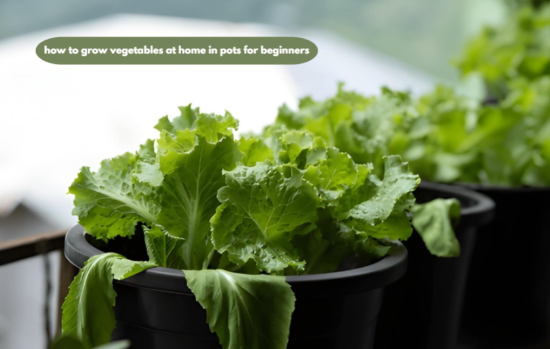
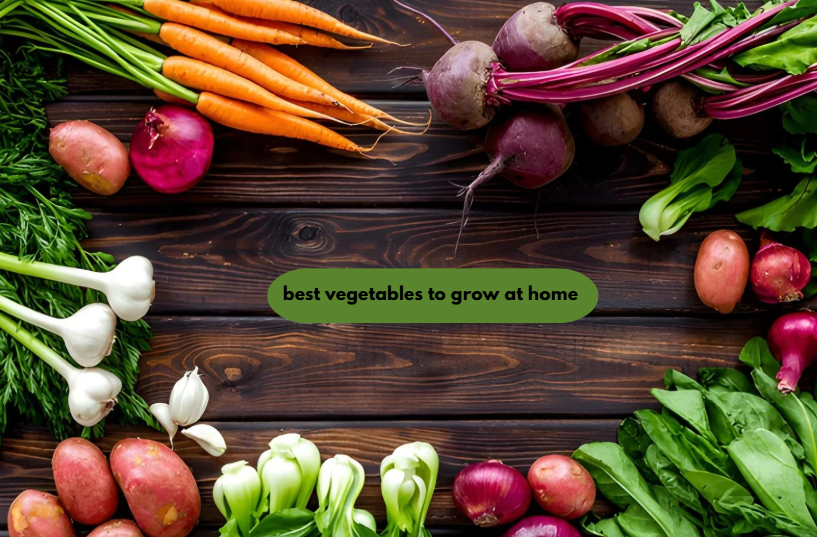
Lettuce and other leafy greens are generally the easiest vegetables to grow in pots for beginners, since they germinate quickly and don’t need deep soil.
They can harvest a few leaves at a time so the plant keeps producing. Radishes are another strong pick since they’re often ready within a month, a good entry point for anyone still figuring out how to grow vegetables at home. Tomatoes and peppers can technically share a large 20-gallon container, though giving each plant its own pot leads to better yields. Basil, thyme, and lettuce pair well with tomatoes and peppers too, sharing similar sun and water needs without crowding roots. A few combinations worth trying:
- Basil tucked next to tomatoes tends to repel certain pests while making efficient use of vertical space
- Lettuce planted at the base of taller crops like peppers can use the shade those plants cast during peak afternoon heat
- Thyme and other low-growing herbs work well along the edges of a mixed container since they don’t compete for the deeper soil below
| Vegetable | Minimum Pot Size | Sunlight Needed | Approx. Days to Harvest |
| Lettuce | 6 to 8 inches deep | Partial sun | 30 to 45 days |
| Radish | 6 inches deep | Full sun | 25 to 30 days |
| Tomato | 12 to 18 inches deep | Full sun | 60 to 80 days |
| Pepper | 12 to 14 inches deep | Full sun | 60 to 90 days |
| Cucumber | 14 to 18 inches deep | Full sun | 50 to 70 days |
Container Gardening vs. Traditional Garden Beds: Which Is Better for Beginners?
For most beginners, container gardening is easier than a raised bed because it requires less upfront labor and offers more control over soil quality, and no, the flavor of a potted vegetable doesn’t suffer for it.
There’s no digging, no soil testing, and pots can be moved to chase sunlight or dodge a bad frost. Raised beds hold moisture longer and support bigger root systems but take more time and money to set up.
Someone asking, “Can I design my own garden without a big backyard project?” usually finds containers the more realistic start. As for taste, flavor mainly comes down to variety, ripeness, and growing conditions rather than the container itself. A tomato grown in a well-fed pot with consistent watering can taste just as good as one grown in the ground, since what actually affects taste is stress from underwatering or nutrient deficiency, both easier to manage in a pot when you’re watching the plant closely.
How Do You Design a Small Space for a Potted Vegetable Garden?
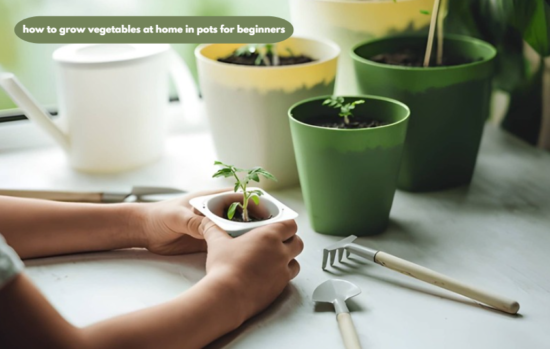
A little planning turns a handful of pots into something that works well and looks good too.
How do I arrange pots on a small patio or balcony?
Group taller pots toward the back and shorter ones toward the front so every plant gets adequate light, which is the basic idea behind how to design a garden layout kdagardenation.
A few arrangement tips that make a small space work harder:
- Push tall pots like tomatoes or trellised cucumbers against a wall so they don’t shade smaller plants
- Use a tiered plant stand to stack containers vertically when floor space runs out
- Leave a few inches between pots for airflow, since crowded containers dry out unevenly and trap pests
What are the best plants for small home garden decoration?
Compact, colorful edibles like rainbow chard, dwarf peppers, and trailing cherry tomatoes count among the best plants for small home garden decoration because they bring visual variety through leaf color and fruit shape while staying genuinely productive.
Mixing in a few flowering herbs, such as chive blossoms or nasturtiums, adds color without taking up extra growing space.
What are some backyard makeover ideas for a potted vegetable garden?
Grouping containers by height, color, and material is one of the simplest kdagardenation backyard makeover ideas for turning a practical vegetable setup into something that looks pulled together.
A few low-effort ways to elevate the look:
- Stick to two or three pot colors or materials instead of mismatched containers
- Add mulch or decorative stone on top of the soil to hide bare dirt
- Anchor the space with one statement plant, like a dwarf fruit tree in a half barrel, and build smaller pots around it
Why Are My Potted Vegetables Not Growing or Dying?
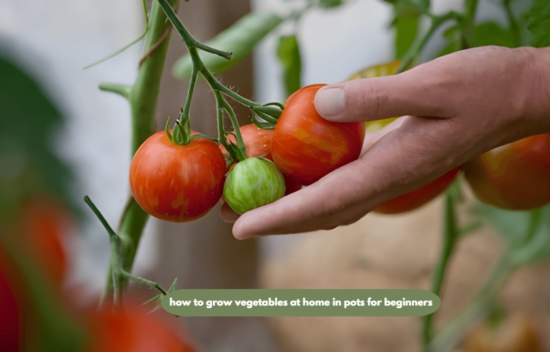
Yellowing leaves and a lack of fruit almost always trace back to watering, nutrient deficiency, or too little sunlight.
Pots dry out faster than garden soil but drain less forgivingly when overwatered, so check the top inch before adding more water. If it feels damp and leaves are yellowing from the bottom up, watering less often usually fixes it. When a plant stays green but never fruits, the culprit is usually poor pollination or light. Fruiting vegetables like tomatoes and peppers need at least six hours of direct sun daily, and on shaded balconies, gently shaking flowering stems can mimic the pollination wind and insects normally provide.
How often should I water vegetables in pots?
When the top inch of soil feels dry, which is frequently every day during hot weather, most potted veggies require watering.
Containers hold less soil volume than garden beds, so they lose moisture much faster in summer heat. A quick finger test instead of a fixed schedule tends to prevent both over- and underwatering.
Frequently Asked Questions About Growing Vegetables in Pots
Can I reuse potting soil every year?
Potting soil can be reused for one or two seasons if it’s refreshed with compost and checked for pests, since nutrients deplete and structure breaks down over time.
What is the fastest-growing vegetable for containers?
Radishes are typically the fastest, often ready to harvest in under a month, which makes them a good way to test soil and sunlight before committing to slower crops.
Do container vegetables need fertilizer?
Yes, since nutrients wash out of pots faster than garden soil, container vegetables benefit from feeding every two to four weeks during the growing season with a balanced liquid fertilizer.
Final Thoughts on How to Grow Vegetables at Home in Pots for Beginners
There’s no single perfect setup, and expecting instant results usually leads to disappointment instead of a green thumb. The real answer to how to grow vegetables at home in pots for beginners is starting small, picking two or three easy crops, and watching how they respond to water and light over the first few weeks. Once that rhythm feels natural, adding more pots or something more demanding becomes a lot less intimidating. If you’re ready to begin, grab one sturdy container, a bag of quality potting mix, and a packet of lettuce or radish seeds, and get something in the soil this weekend.