
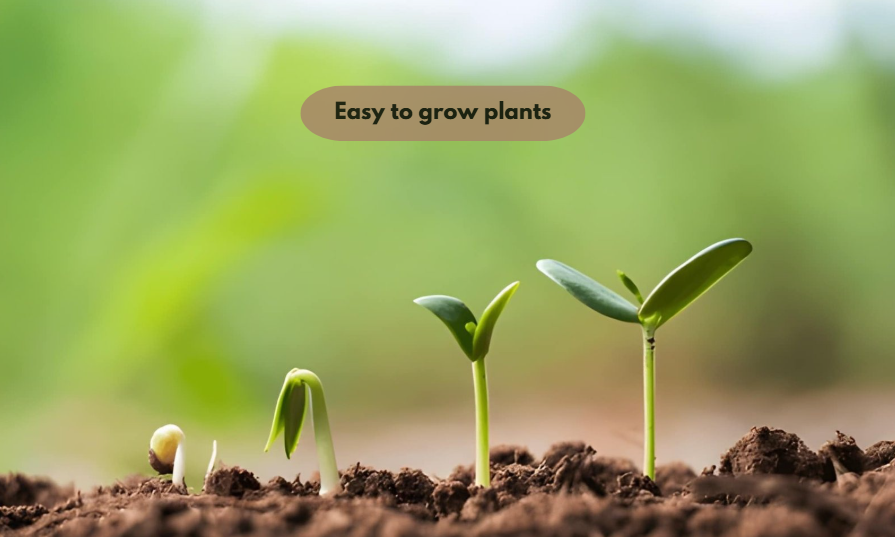
Starting a garden can feel overwhelming when you don’t know a trowel from a hand fork. The good news? You don’t need a green thumb to grow something beautiful. There are dozens of easy to grow plants that forgive missed waterings, tolerate average soil, and still reward you with lush greenery or colorful blooms.
Whether you have a backyard in Ohio, a sunny balcony in Austin, or a single windowsill in a New York City apartment, this guide will help you build confidence as a beginner gardener. Below are 25 low-maintenance plants grouped by where you’ll actually grow them, along with the practical knowledge you need to keep them alive.
25 Easy to Grow Plants for Beginners
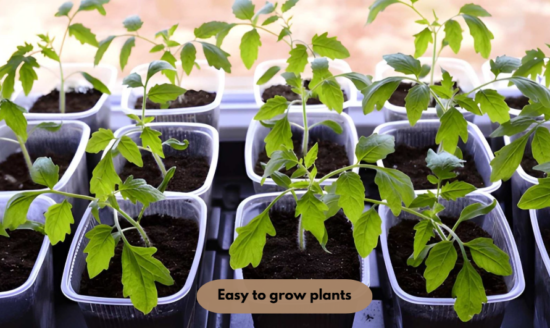
Indoor Plants for Low Light and Busy Schedules
- Pothos – Thrives in low to bright indirect light and tolerates irregular watering.
- Snake Plant – Almost unbreakable, it can go weeks without water.
- ZZ Plant – Handles low light and drought with ease.
- Spider Plant – Fast-growing and forgiving of missed waterings.
- Peace Lily – Signals when it needs water by drooping slightly, then perks back up.
- Philodendron – Adapts well to various indoor light levels.
- Chinese Evergreen – Tolerates low light and inconsistent humidity.
- Aloe Vera – Needs infrequent watering and thrives in sunny windows.
- Cast Iron Plant – True to its name, it withstands neglect, low light, and temperature swings.
- English Ivy – Grows quickly indoors or as a hanging plant.
- Jade Plant – A succulent that needs minimal watering and bright light.
- Rubber Plant – Sturdy, air-purifying, and tolerant of average indoor conditions.
Outdoor Plants for Garden Beds
- Marigolds – Bloom reliably all summer and repel some garden pests.
- Zinnias – Fast-growing annuals that flower from seed within weeks.
- Black-Eyed Susan – A hardy perennial that tolerates poor soil and drought.
- Coneflower (Echinacea) – Drought-tolerant and attracts pollinators.
- Daylilies – Extremely hardy perennials that bloom for years with little care.
- Sedum (Stonecrop) – A drought-resistant groundcover perfect for beginners.
- Lavender – Loves sun and poor soil, needing minimal watering once established.
- Hostas – Thrive in shade and require very little maintenance.
- Ornamental Grasses – Low-water, low-fuss plants that add texture year-round.
- Yarrow – Drought-tolerant and spreads easily in sunny spots.
Plants for Pots, Balconies, and Small Patios
- Nasturtiums – Edible flowers that grow easily from seed in containers or beds.
- Herbs (Mint, Rosemary, Thyme) – Compact, forgiving, and ideal for pots near a kitchen door.
- Succulents (Hens and Chicks) – Perfect for patios and rock gardens, needing almost no water.
Together, these 25 plants cover nearly every situation a beginner might face—bright rooms, shady yards, drought-prone patios, or a single sunny windowsill. Every one of them can handle a missed watering or an off week, which is exactly what makes them forgiving to grow.
Why Most Beginner Gardeners Fail (and How to Avoid It)
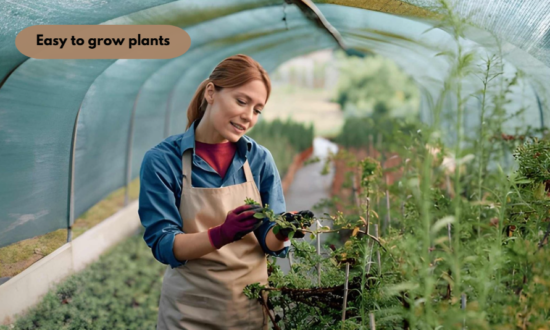
Most people don’t quit gardening because they lack talent. They quit because their first few plants were the wrong choice—a finicky fern that needs daily misting or an orchid with exacting light requirements can turn a hopeful new hobby into a string of disappointments.
What Makes a Plant “Easy”
The plants above were chosen for the opposite reason. They tolerate a range of light conditions instead of demanding perfect sun, survive inconsistent watering, and resist the pests and diseases that trip up new gardeners. Starting with plants like these means your early wins come quickly, and that’s what builds the confidence to try something more advanced later.
Getting Started Without Overthinking It
Start Smaller Than You Think
Rather than buying a dozen plants on day one, start with two or three. A handful of thriving plants teaches you more and feels more rewarding than a windowsill full of struggling ones.
How to Choose Beginner Plants Based on Sunlight
Pay attention to the light in your space before you buy anything. A plant that loves a south-facing window will sulk in a dim north-facing room, no matter how well you water it.
Watch Water, Not the Calendar
Overwatering, more than any other mistake, is what kills beginner plants. Check the top inch of soil with your finger before watering — if it’s dry, water; if it’s damp, wait a few more days.
Get the Basics Right From the Start
A well-draining potting mix with perlite goes a long way toward preventing root rot. If you’re planting outdoors, look up your USDA hardiness zone so you choose plants suited to your region’s climate and frost dates.
Planning Where Everything Goes
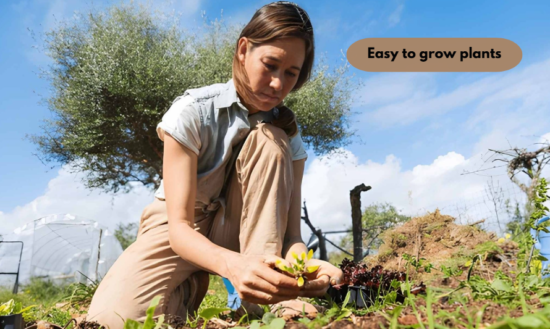
Thinking through your garden designs kdagardenation early—sun exposure, plant grouping, layering—saves you from costly do-overs later
How to Map Sunlight in Your Yard or Balcony
Spend a day watching your yard or patio to see which spots get full sun, partial sun, or mostly shade. This alone indicates the proper placement of every plant on your list.
Group by Water Needs, Not Just Looks
It helps to group plants with similar water needs near each other, so you’re not overwatering one while starving its neighbor a few feet away. Thinking in layers — taller plants toward the back, low groundcovers up front — creates depth even in a small yard.
Go Deeper When You’re Ready
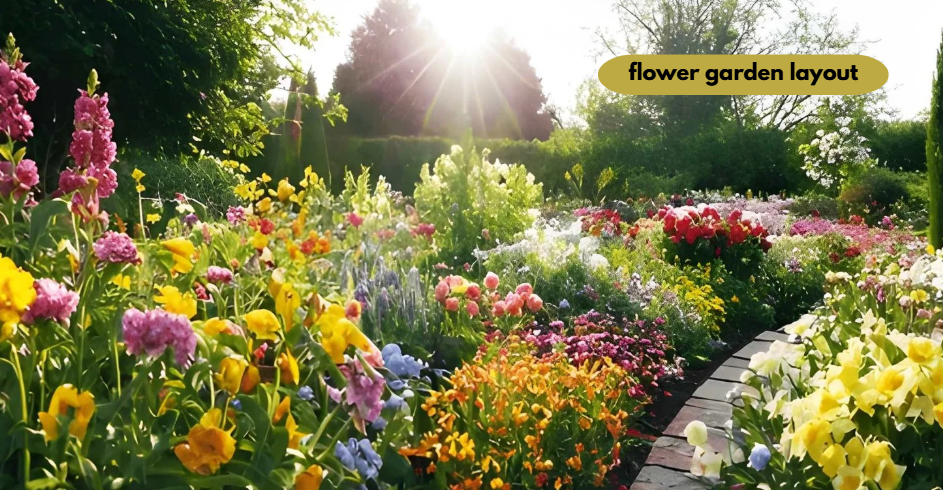
Leaving enough space between plants for their mature size prevents the overcrowding that leads to disease later on. If you want a fuller walkthrough, we’ve put together a guide on how to design a garden layout for different yard sizes and styles.
Gardening in Small Spaces, Patios, and Apartments
Containers Can Handle More Than You’d Expect
Not having a backyard doesn’t rule you out of gardening. Many of the plants above grow just as well in pots as they do in the ground, provided the container has drainage holes and is sized appropriately for the plant. If you’re looking for container gardening tips for small spaces and patios, choosing the right pot size and ensuring good drainage are two of the most important steps.
Making the Most of a Small Footprint
Herbs, succulents, and compact flowering annuals are especially well suited to pots on a balcony, stoop, or tight patio. Vertical solutions like wall planters or hanging baskets can multiply your growing space without taking up any floor room.
If You’re Gardening Entirely Indoors
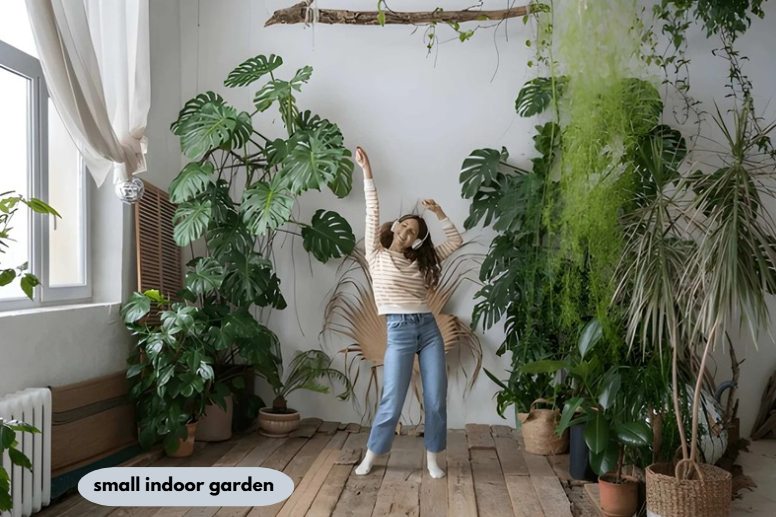
Growing with little to no natural light is its own situation with its own considerations. We’ve covered it in detail in our dedicated Apartment Gardening guide, which goes further into grow lights, humidity, and choosing plants for rooms with minimal direct sun.
How to Keep Your Plants Alive Long-Term
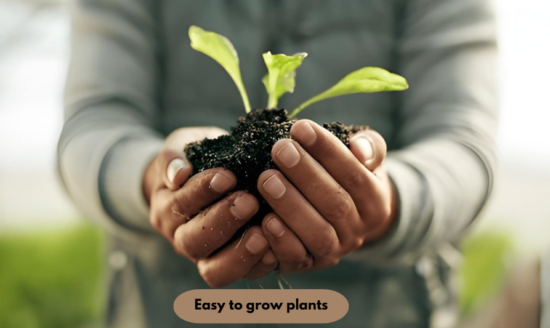
Learn to Read the Signs
Yellowing leaves usually point to overwatering, while crispy brown edges usually mean the opposite. Keeping a simple log of when you water or feed each plant helps you notice these patterns before they become problems.
Give New Plants Time to Adjust
Most plants need a few weeks to settle into a new environment before they show steady growth. Patience matters as much as care during this window.
Adjust With the Seasons
Most outdoor perennials slow down and need less water in fall and winter, while many houseplants benefit from a bit more humidity once indoor heating kicks in. Watering on autopilot year-round is one of the most common ways beginners lose plants that were otherwise doing fine.
Frequently Asked Questions
What is the easiest plant to grow for a complete beginner?
Pothos and snake plants are widely considered the easiest, since they tolerate low light, irregular watering, and general neglect.
Can I grow plants with no garden and only a balcony?
Yes. Herbs, succulents, and flowering annuals in containers do well on almost any balcony or patio, and apartment-friendly houseplants can round out the rest of your space.
How often should beginners water their plants?
Most beginner-friendly plants only need water when the top inch of soil feels dry — usually once a week for outdoor plants and every one to two weeks for many indoor plants.
Final Thoughts
Growing your own plants doesn’t require expert-level skill or a sprawling backyard. By choosing easy to grow plants, thinking through your layout before you plant, and matching plants to the space you actually have, you can build a thriving home garden from day one. Start with a handful of the 25 plants above; pay attention to light and watering basics, and you’ll be surprised how quickly your confidence—and your collection—grows.

One thought on “Easy to Grow Plants for Beginners: 25 Low-Maintenance Plants to Grow at Home”