
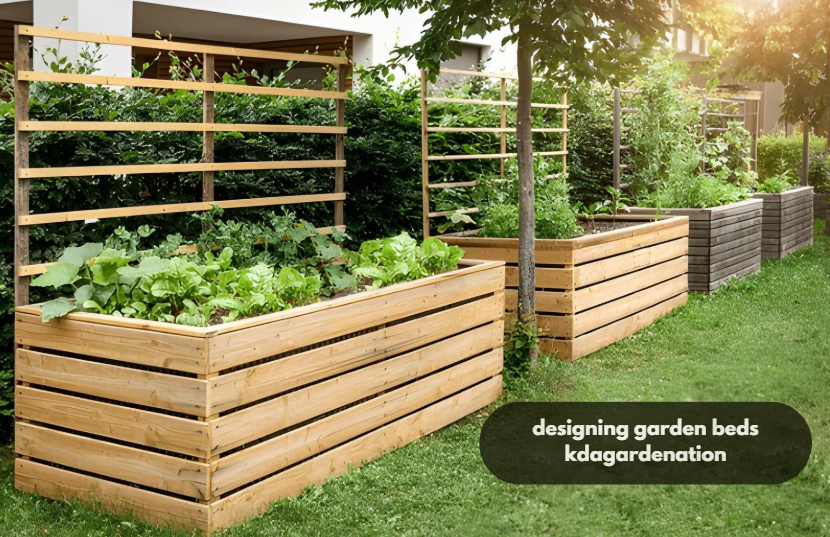
Designing garden beds starts with three decisions: a spot with at least six hours of direct sun, beds no wider than 4 feet, and tall crops on the north side. This Designing Garden Beds Kdagardenationguide walks through each one. Sketch the layout on paper first, then size paths, soil depth, and plant spacing before buying anything.
Key Takeaways
- A bed you can reach from both sides should be no wider than 4 feet, because most adults reach about 2 feet from each edge.
- Most vegetables require a minimum of six hours of direct sunlight each day, though they grow best with eight to ten hours.
- Rows that run north to south give every plant the most even light.
- Two 4-by-8-foot beds with 2-foot paths occupy 168 square feet of yard, not 64.
- A 4-by-8 bed filled 12 inches deep holds 32 cubic feet of soil, or about 1.2 cubic yards.
What Is Designing Garden Beds Kdagardenation?
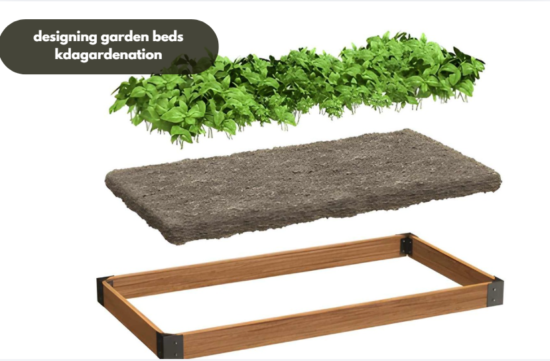
The Kdagardenation ‘s approach to designing garden beds is planning-first: you set each bed’s size, shape, sun position, and planting plan on paper before you dig or build. We treat one bed as the unit of design: get a single bed right, then repeat it.
How Big Should a Garden Bed Be?
Make the bed as wide as your reach and as long as your materials allow. Width decides whether you ever step on the soil, so set it first.
Width
Four feet is the upper limit for a bed worked from both sides. Oklahoma State University Extension sets that ceiling because an average adult reaches roughly 2 feet inward from each edge.
The University of Georgia Extension trims the width to 3 feet for children and for adults using a wheelchair, and Gardenary’s January 2026 guide uses 2 feet for a bed against a fence. Length is flexible, though Georgia notes that lumber gets pricier past 12 feet.
Depth and height
Plan for 10 to 12 inches of soil. Mississippi State University Extension gives 6 inches as the minimum, while the University of Georgia Extension says most crops need 10 inches to thrive. The first figure is a floor, and the second is a target, so build to 10 inches or till the ground beneath a shorter frame.
| Design choice | Recommended figure | Source |
| Width, reachable from both sides | 4 ft maximum | Oklahoma State University Extension |
| Width for children or adults using a wheelchair | 3 ft | University of Georgia Extension |
| Width against a wall or fence | 2 ft | Gardenary, January 2026 |
| Soil depth, bare minimum | 6 in | Mississippi State University Extension |
| Soil depth for most crops | 10 in | University of Georgia Extension |
| Bed height for wheelchair access | 24 in | University of Georgia Extension |
| Path width, bare minimum | 2 ft | Gardenary, January 2026 |
Which Shape Works Best for a Garden Bed?
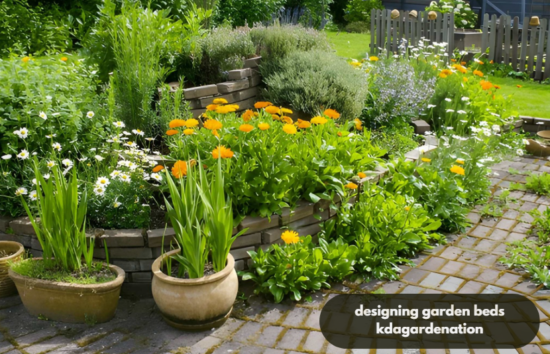
A rectangle is the most efficient shape for vegetables, and a curve suits ornamental borders. Rectangles keep every plant within reach, use straight boards without waste, and make drip lines simple.
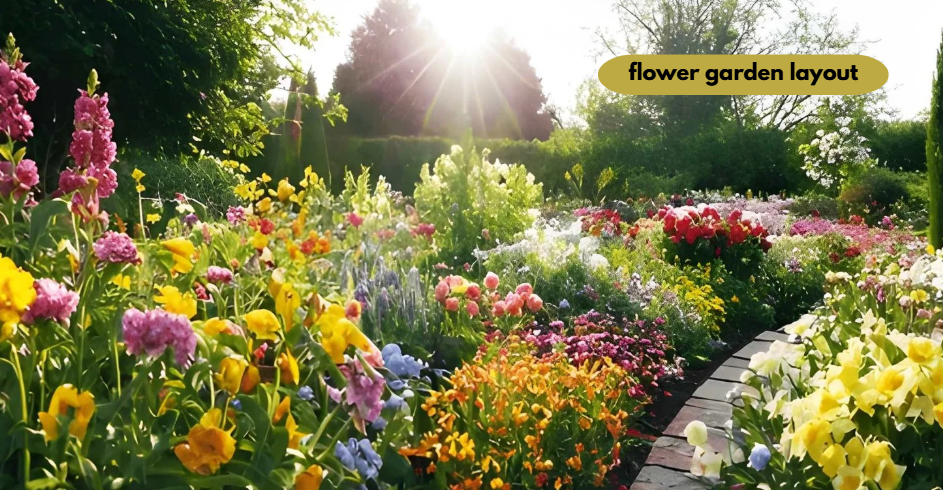
Curved beds work for flowers as long as no planting spot sits more than 2 feet from an edge. Whether your inspiration comes from kdarchitects-style house plans or a neighbor’s yard, repeat the building’s main lines: straight beds beside a modern facade, soft curves beside a cottage.
Where Should You Put Garden Beds for the Most Sun?
Put beds where they receive at least six hours of direct sun, with rows running north to south. West Virginia University Extension recommends six to eight hours a day, and a 2025 Virginia Cooperative Extension publication names six hours as the minimum and eight to ten as the ideal, so the sunniest ground belongs to the beds.
If you are asking which direction should your garden face, the answer in the Northern Hemisphere is south. Ohio State University Extension prefers south-facing sites because the sun crosses the southern sky and that side escapes the shadow of the house.
When rows have to run east to west, keep tall crops on the northern edge. According to Texas A&M AgriLife Extension, okra, corn, and tomatoes are the crops that should be grouped together in that spot.
How Do You Design a Garden Layout Step by Step?
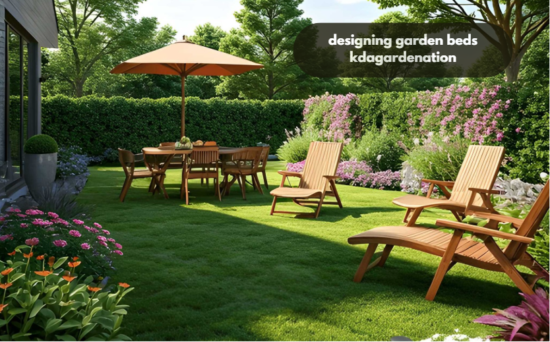
To design a garden layout, measure the site, map the sun, draw beds and paths to scale, and calculate soil before you buy anything. The common question, can I design my own garden, has a simple answer: Yes, with a tape measure and graph paper.
- Measure the open area and draw it at one square per foot.
- Note where shadows fall in the morning, at noon, and in mid-afternoon.
- Draw beds 4 feet wide with their long sides running north to south.
- Add paths at least 2 feet wide, and wider where a wheelbarrow has to pass.
- Calculate soil as length times width times depth, all in feet, the formula Mississippi State University Extension uses.
- Assign crops by height, tallest at the north end.
Worked example: two 4-by-8 beds
Two beds give 64 square feet of growing space. With 2-foot paths between and around them, the block measures 14 feet by 12 feet, or 168 square feet, so only 38 percent of the footprint grows food. At 3-foot paths the block reaches 238 square feet, and the share falls to 27 percent.
A single bed filled to a depth of 12 inches requires 32 cubic feet of soil. For two beds, you’ll need 64 cubic feet in total, or roughly 2.4 cubic yards.
The usual mistake is measuring the beds and forgetting the paths. Draw the paths first and fit the beds into what remains.
What Should You Plant in a New Garden Bed?
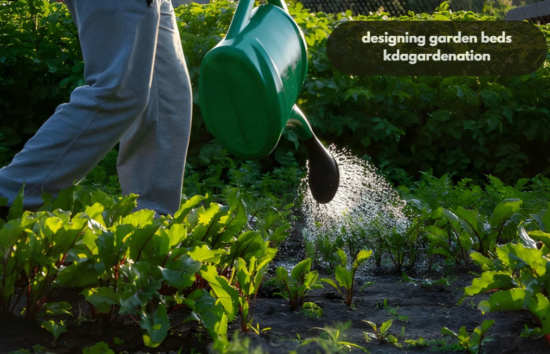
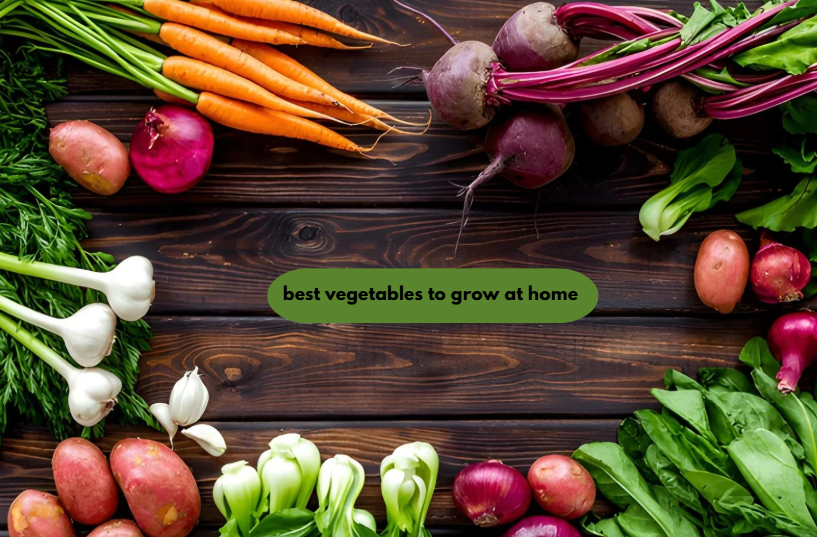
Start with crops that forgive beginner errors. The best vegetables to grow at home in a first season are tomatoes, bush beans, lettuce, and radishes, all of which appear on the Old Farmer’s Almanac beginner list.
Virginia Cooperative Extension’s 2025 planning guide places tall and trellised crops on the north side and groups crops with similar growing periods. In a 4-by-8 bed, that puts staked tomatoes at the north end, bush beans in the middle, and lettuce with radishes at the south end.
What Soil Mix Is Best for a Raised Garden Bed?
The best soil mix for a raised garden bed is about 70 percent topsoil and 30 percent compost, a ratio Iowa State University Extension recommends. Loosen the ground under the frame and blend the first few inches of mix into it, because distinct soil layers block water and roots.
What Is the Best Wood for Raised Garden Beds?
Cedar is the best wood for raised garden beds, and pine is the budget choice. Penn State Extension estimates that cedar lasts 10 years or more and pine 3 to 5 years and recommends untreated lumber so chemicals do not leach into the soil.
How Do You Water a Raised Garden Bed?
Water a raised garden bed with about 1 inch of water per week, the baseline Mississippi State University Extension sets for vegetable gardens. The University of California Cooperative Extension puts that at about 20 gallons a week for a 4-by-8 bed. Drip irrigation is the most efficient method, according to NC State Extension.
What Does it Cost to Build Beds Yourself Versus Hiring Help?
Doing the design yourself removes the labor charge. How much does a gardener cost in the United States? Lawn Love’s 2026 guide puts a typical visit at 110 to 200 dollars, with hourly rates of 20 to 30 dollars for basic help and 60 to 88 dollars for planning specialists.
A cheap garden comes from mounded beds without frames, reclaimed boards, and seeds instead of transplants. Leave garden decoration for last and buy one focal piece, such as a trellis or a large pot.
When the Usual Advice Does Not Apply

Two situations reverse these rules. South of the equator the sun tracks across the northern sky, so beds face north and tall crops go on the south side. On a patio or driveway there is no ground soil to borrow, and the University of Georgia Extension warns that 10 inches is too shallow there for deep crops such as potatoes, so build higher.
Frequently Asked Questions
Do I need a professional to plan garden beds?
No, a home gardener with a tape measure, graph paper, and a day of sun observation has everything a basic plan requires. The sequence of sun, size, paths, soil, and plants covers the same decisions a hired designer makes.
How wide should a raised garden bed be?
A raised bed should be no wider than 4 feet when you can reach it from both sides. Drop to 3 feet for children or adults using a wheelchair, and 2 feet when one side sits against a wall.
Do garden beds have to face south?
South-facing beds are preferred in the Northern Hemisphere but not required. Any open spot that collects six or more hours of direct sun grows vegetables, whatever direction it faces.
How deep should the soil be in a raised bed?
Aim for 10 to 12 inches of soil for most vegetables. Six inches is the working minimum, and shallow frames perform better when the ground beneath them is loosened first.
How much soil fills a 4-by-8 raised bed?
A 4-by-8 bed filled 12 inches deep takes 32 cubic feet of soil, which is about 1.2 cubic yards. To find the volume in cubic yards, multiply the length, width, and depth (all measured in feet), then divide the result by 27.
What is the best soil mix for a raised bed?
A blend of about 70 percent topsoil and 30 percent compost suits most vegetables. Equal parts topsoil and compost also work.
Conclusion
Designing garden beds Kdagardenation style comes down to three numbers: 4 feet of width, 10 inches of soil, and six hours of sun. Draw the paths before the beds, because paths claim more than half of the footprint. Put tall crops on the north side, and every plant in the bed gets its share of light.

4 thoughts on “Designing Garden Beds Kdagardenation: Size, Layout, and Sun Guide ”