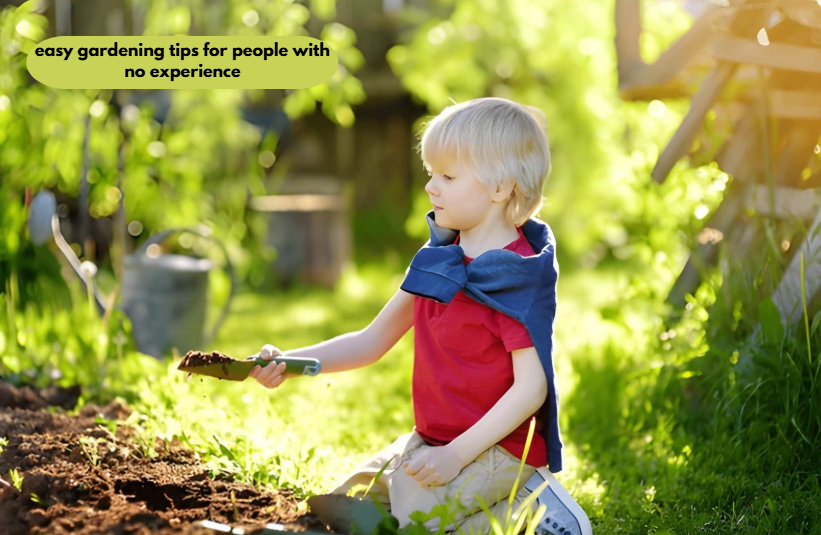
Ever looked at someone else’s garden and thought, “I could never pull that off”? Good news—you can, and it’s a lot less complicated than it looks. Most thriving gardens aren’t the result of some innate green thumb; they’re just a handful of small habits done consistently. That’s exactly what these easy gardening tips for people with no experience are here to give you: a simple, step-by-step path to get something growing today, even if you’ve never so much as touched a seed packet before.
Easy Gardening Tips for People With No Experience: Where to Start?
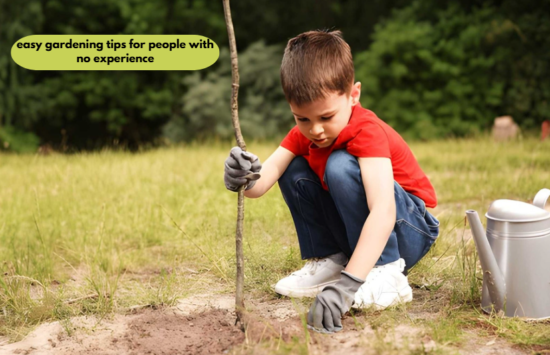
Most beginners fail not because gardening is complicated but because they start too big, too fast. A first-timer who plants a 20-foot vegetable bed is far more likely to give up than someone who starts with three pots on a balcony. The goal of this guide is to help you start small, build confidence, and expand only once you’ve had a few wins.
Step 1: Pick the Right Spot Before You Pick Any Plants
Before buying a single seed packet, spend a day observing your space.
- Track sunlight. Most vegetables and flowering plants need 6+ hours of direct sun. Herbs and leafy greens can tolerate partial shade (3–4 hours).
- Check drainage. If water pools for hours after rain, you’ll need raised beds or containers instead of planting directly in the ground.
- Consider accessibility. A garden near your door gets watered more often than one tucked in a far corner of the yard—proximity equals consistency.
If you don’t have yard space at all, don’t worry. Containers on a patio, balcony, or even a sunny windowsill work just as well for beginners. Noting where the sun hits longest during this stage will help later, so if you want a deeper walkthrough, check out our guide on how to design a garden layout kdagardenation.
Step 2: Start With Containers, Not the Ground
Container gardening is the single easiest entry point for someone with zero experience, for three reasons:
- You control the soil quality completely.
- Weeds are almost a non-issue.
- You can move plants to chase sunlight or escape bad weather.
Use containers with drainage holes at the bottom, and choose a size appropriate to the plant (a 12-inch pot is a safe starting point for most vegetables and herbs).
Step 3: Get the Soil Right (It Matters More Than You Think)
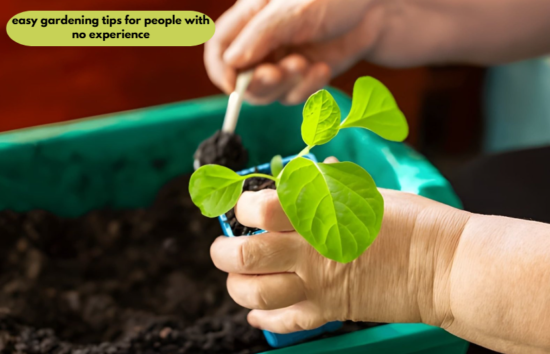
New gardeners often blame themselves for a plant’s death when the real culprit is poor soil. Skip garden soil dug straight from your yard for containers—it compacts and drains poorly. Instead:
- Buy a bag of potting mix labeled for containers.
- For in-ground beds, mix compost into the existing soil to add nutrients and improve texture.
- If you’re unsure about your yard soil, a basic soil test kit (available at Home Depot, Lowe’s, or most local garden centers) tells you pH and nutrient levels in minutes. Many state universities also run a Cooperative Extension office that offers low-cost, more detailed soil testing by mail.
Step 4: Choose Beginner-Friendly Plants
Not all plants are created equal when it comes to forgiveness. Start with species known for tolerating mistakes:
Easiest vegetables for beginners:
- Lettuce and leafy greens
- Radishes (ready to harvest in as little as 3–4 weeks)
- Cherry tomatoes
- Green beans
- Zucchini
Easiest herbs for beginners:
- Mint (grows almost anywhere, even neglect)
- Basil
- Chives
- Rosemary
Easiest flowers for beginners:
- Marigolds
- Zinnias
- Sunflowers
Avoid finicky plants like cauliflower, celery, or delicate orchids until you’ve built some experience. Grouping plants by sunlight and water needs is one of the basics covered in designing gardens kdagardenation— it keeps care simple and prevents some plants from being over- or under-watered because they’re sitting next to a mismatched neighbor.
Step 5: Water Correctly — Overwatering Kills More Plants Than Underwatering
This is the single most common beginner mistake. A simple rule: Put your finger in the ground approximately one inch deep. Water if it’s dry. Wait if it’s still wet.
- Water in the early morning to minimize fungus problems and evaporation.
- To avoid illness, water the soil directly rather than the foliage.
- Containers dry out faster than ground soil, so check them daily in warm weather.
Step 6: Gather Only the Tools You Actually Need
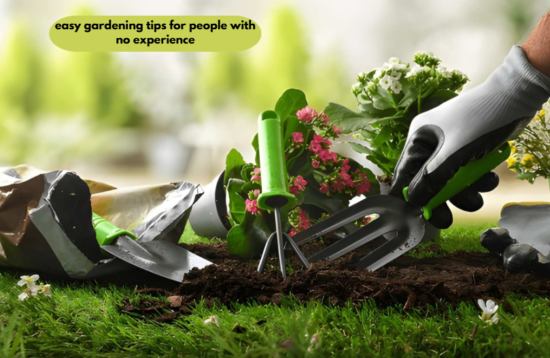
To begin, you don’t need a shed full of equipment. A beginner’s toolkit is genuinely this short:
- A hand trowel
- A watering can or hose with a gentle spray setting
- Gardening gloves
- Pruning shears
- Quality potting mix and/or compost
Everything else can wait until you know what kind of gardening you enjoy. None of these need to be expensive, and if budget is a concern, our cheap garden guide has more tips on stretching your setup further while you’re still learning what you like.
Step 7: Know When to Plant
Timing depends on your USDA Plant Hardiness Zone, but as a general rule:
- Cool-season plants (lettuce, radishes, peas) go in early spring or fall.
- Warm-season plants (tomatoes, peppers, zucchini) go in after the last frost date in your area.
You can look up your zone and average last frost date on the USDA Plant Hardiness Zone Map or the Old Farmer’s Almanac website by entering your zip code. Staff at a local garden center or your county’s cooperative extension office can also confirm timing for your specific region—this single step prevents a huge share of beginner failures.
Step 8: Sketch a Simple Layout Before You Plant
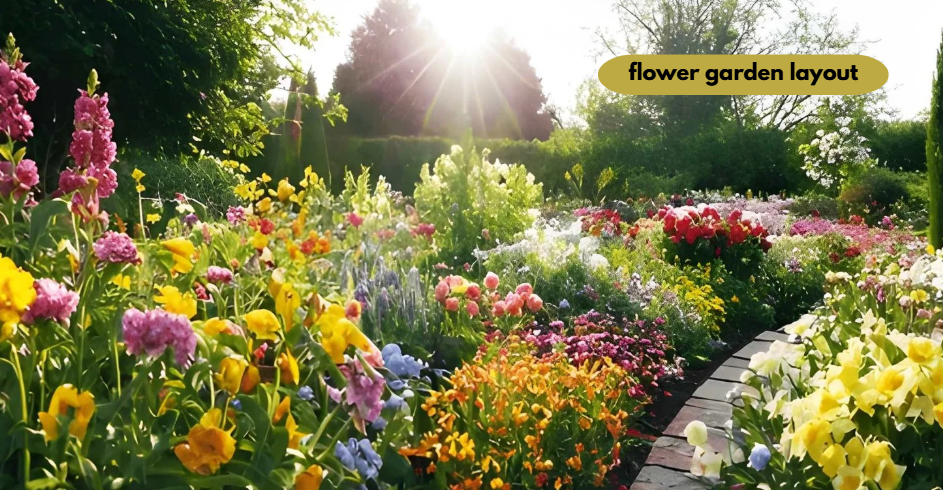
A lot of new gardeners wonder can i design my own garden kdagardenation on their own, and the answer is yes—you don’t need a landscape architect to lay things out sensibly. Place taller plants (like sunflowers or staked tomatoes) at the back or center so they don’t shade shorter ones, leave walking space between rows or containers, and sketch your plan on paper first, even roughly. A few minutes of planning up front saves you from replanting things a few weeks in.
Step 9: Build a Simple Maintenance Routine
Consistency beats effort. A few minutes a day is more effective than a few hours once a week.
- Daily: Quick check for dryness or pests.
- Weekly: Remove weeds, deadhead spent flowers, check for yellowing leaves.
- Monthly: Feed with a balanced fertilizer if plants look like they’re slowing down.
Step 10: Common Beginner Mistakes to Avoid
- Planting too much, too soon
- Ignoring sunlight requirements
- Watering according to a set timetable rather than inspecting the soil
- Using garden soil in containers
- Giving up after one plant dies (every gardener loses plants—it’s part of learning)
Frequently Asked Questions
What is the easiest plant for a total beginner to grow?
Mint, radishes, and marigolds are widely considered among the most forgiving plants for people with no gardening experience.
Do I need a big yard to start gardening?
No. A few containers on a balcony, patio, or windowsill are enough to start growing vegetables, herbs, or flowers.
How often should beginners water their plants?
Rather than a fixed schedule, check the soil moisture with your finger and water only when the top inch feels dry.
How long does it take to see results as a beginner gardener?
Fast-growing options like radishes and lettuce can be ready to harvest in 3–5 weeks, giving new gardeners quick, motivating wins.
How do I find my USDA growing zone?
Enter your zip code into the USDA Plant Hardiness Zone Map or the Old Farmer’s Almanac website to find your zone and average last frost date.
Final Thoughts
Gardening isn’t a talent — it’s a set of small, repeatable habits. Start with one or two containers, choose forgiving plants, water thoughtfully, and pay attention to what your plants are telling you. Follow these easy gardening tips for people with no experience, and within a single season, you’ll go from complete beginner to someone who actually knows what they’re doing in the garden.

3 thoughts on “Easy Gardening Tips for People With No Experience: A Beginner’s Step-by-Step Guide”